Murad I. (Hüdavendigar) Moscheekomplex
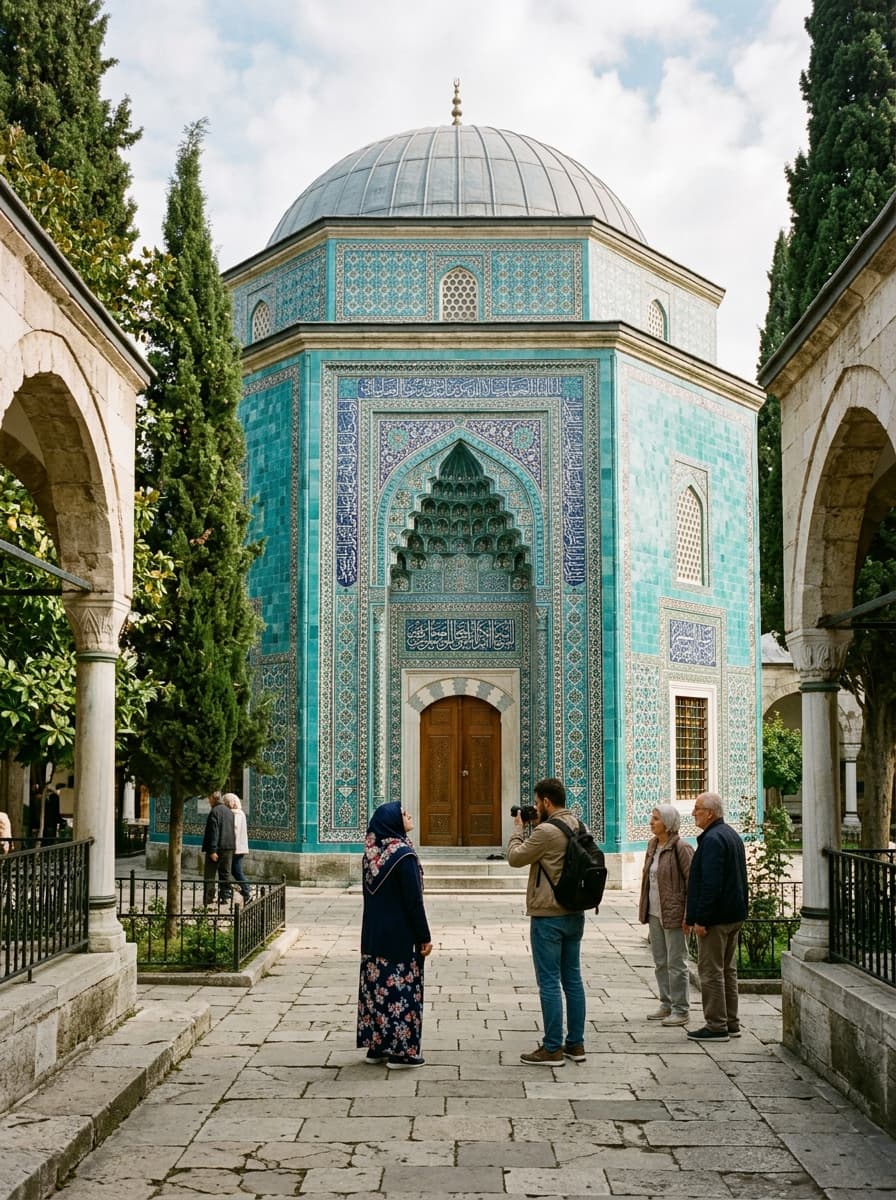
Built between 1365 and 1385 by Sultan Murad I, this is the only Ottoman imperial mosque featuring an integrated two-story madrasa above the prayer hall. Overlooking Çekirge, it houses thermal fountains and the tomb of the martyred sultan of Kosovo.
Murad I. (Hüdavendigar) Moscheekomplex
Murad I. (Hüdavendigar) Moscheekomplex 360° Virtuelle Tour & Earth 3D Station
Google Earth 3D-Telemetrie, Geländetopographie und 360°-Panoramen verfügbar. Erkunden Sie den Ort im 3D-Flug oder virtuell Schritt für Schritt.
Geheimtipp
"Explore the second-floor madrasa cloisters and examine the warm thermal fountain in the courtyard supplied by ancient Çekirge springs."
Unique Two-Story Masterpiece: Murad I Hüdavendigar Mosque
Constructed in Çekirge between 1365 and 1385, this complex uniquely combines a ground-floor mosque with a 16-cell upper-floor theological college (madrasa). It honors Sultan Murad I, martyred at the Battle of Kosovo in 1389, and integrates natural thermal spring waters from Çekirge.

Häufig gestellte Fragen (FAQ)
Is the upper-floor madrasa open to visitors?
Outside prayer times, the upper-level cloisters can be toured under the supervision of mosque staff.
Is there an admission fee?
No, entrance to the mosque and royal tomb is free.
Where is Sultan Murad I buried?
His tomb is located right across the street in a serene garden shaded by ancient plane trees.
How do you reach Çekirge from downtown Bursa?
City buses and shared dolmuş vans marked 'Çekirge' depart frequently from Heykel and Şehreküstü directly to the complex.
Does the courtyard fountain have thermal water?
Yes, the ablution taps are fed by Çekirge's natural warm sulfur mineral springs.
Are guided tours available?
QR codes at the gate provide audio guides in Turkish and English on mobile phones.
Is wheelchair access provided?
The courtyard and ground-floor mosque are wheelchair accessible via ramp.
What is the historical significance of Murad I?
He was the third Ottoman sultan, known as Hüdavendigar ('the Sovereign'), who expanded the empire into the Balkans and fell in Kosovo.
Besucherinformationen
Entdecken Sie Osmangazi & Umgebung
Gastronomie, Reiseführer und aktuelle Highlights in Osmangazi.
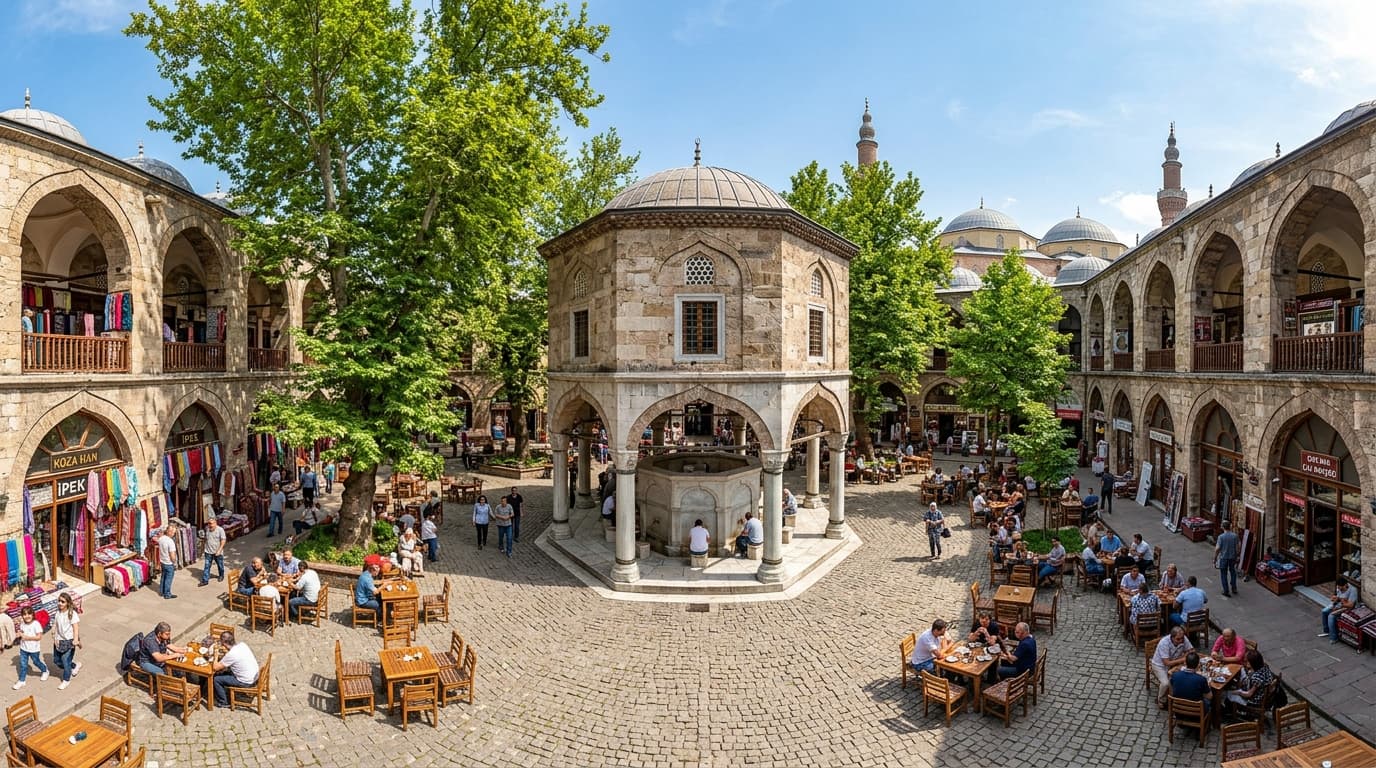
Osmangazi Reiseführer: Das historische Herz der Karawansereien und Sultanskomplexe
Umfassender 1-Tages-Rundgang durch das historische Zentrum Osmangazi in Bursa mit Großer Moschee und Seidenbasar.
Kulinarische Spezialitäten in Osmangazi
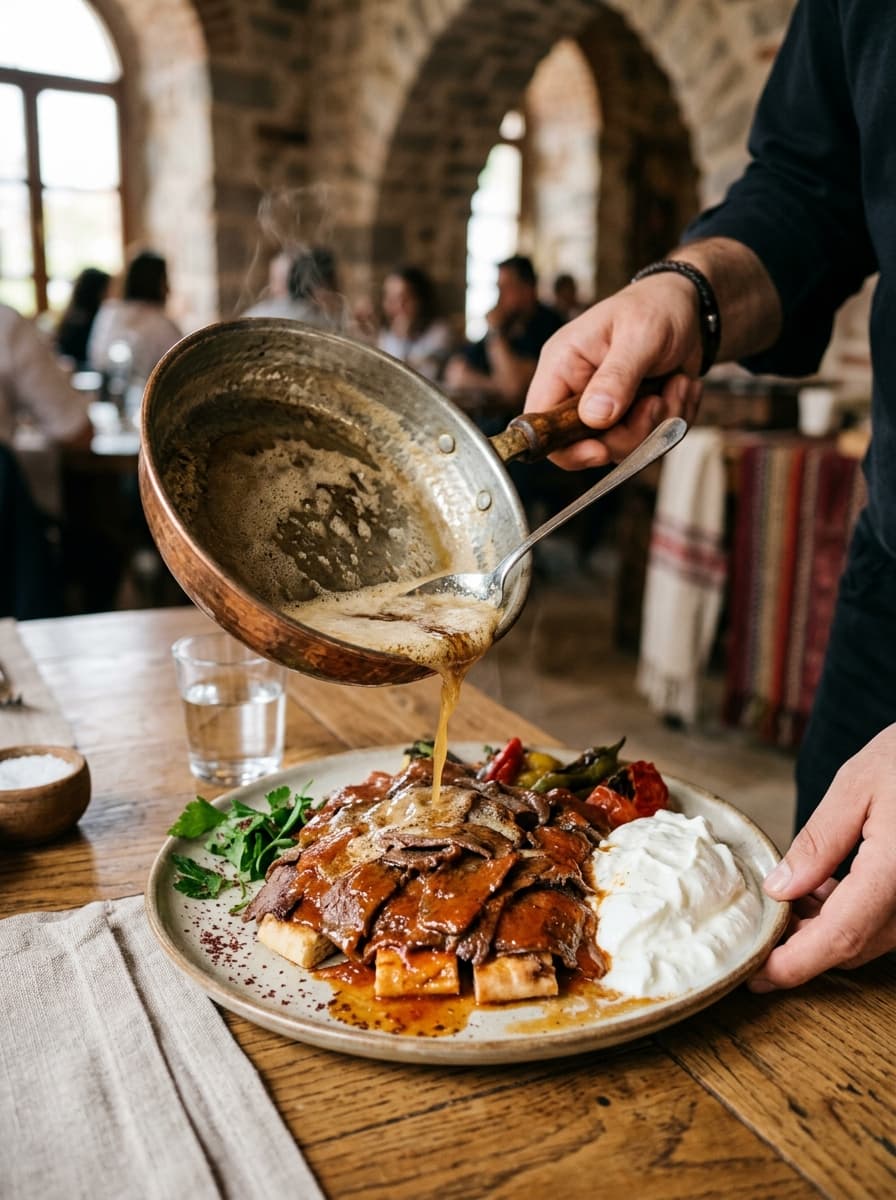
Bursa Iskender Kebab
Kebapçı İskender (Heykel), Kebapçı Hüseyin (Alacahırka)
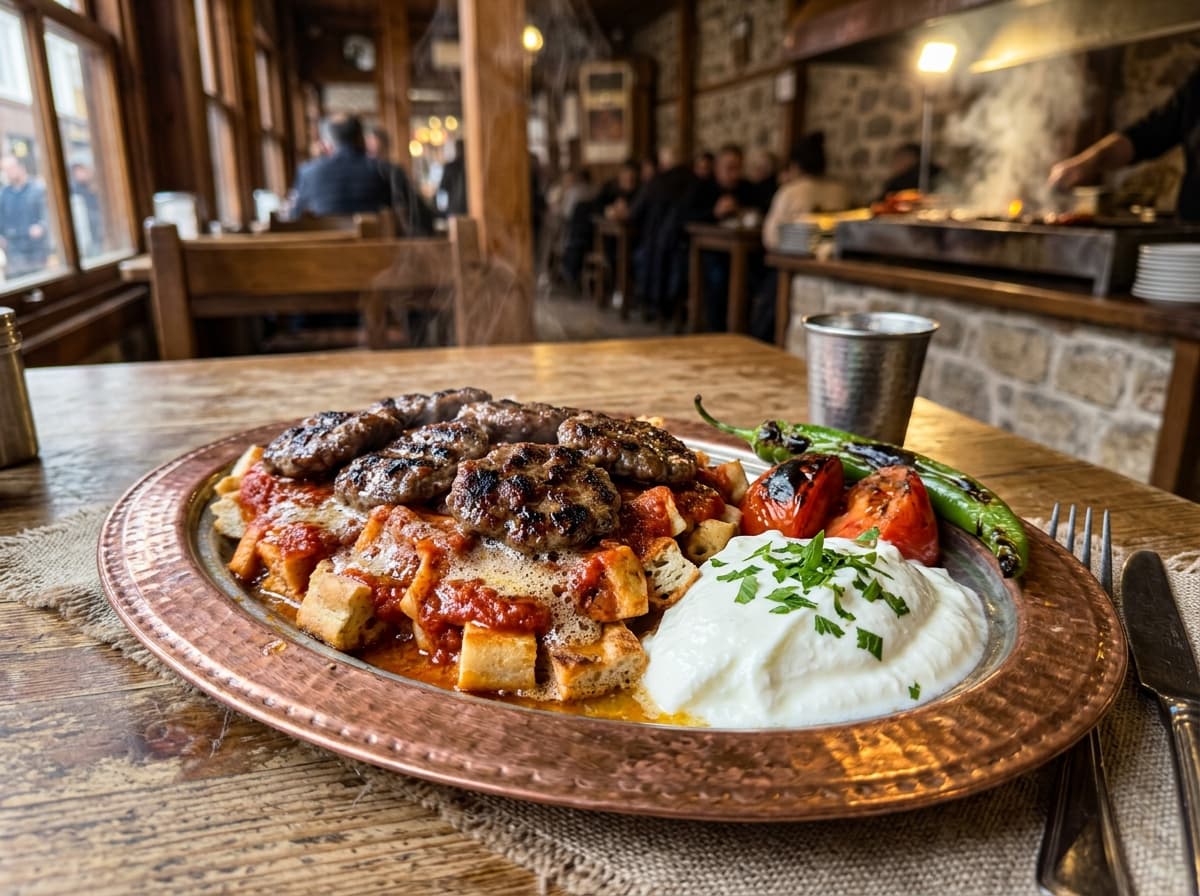
Pideli Köfte (Bursa Fleischbällchen auf Fladen)
Kayhan Basar Fleischereien
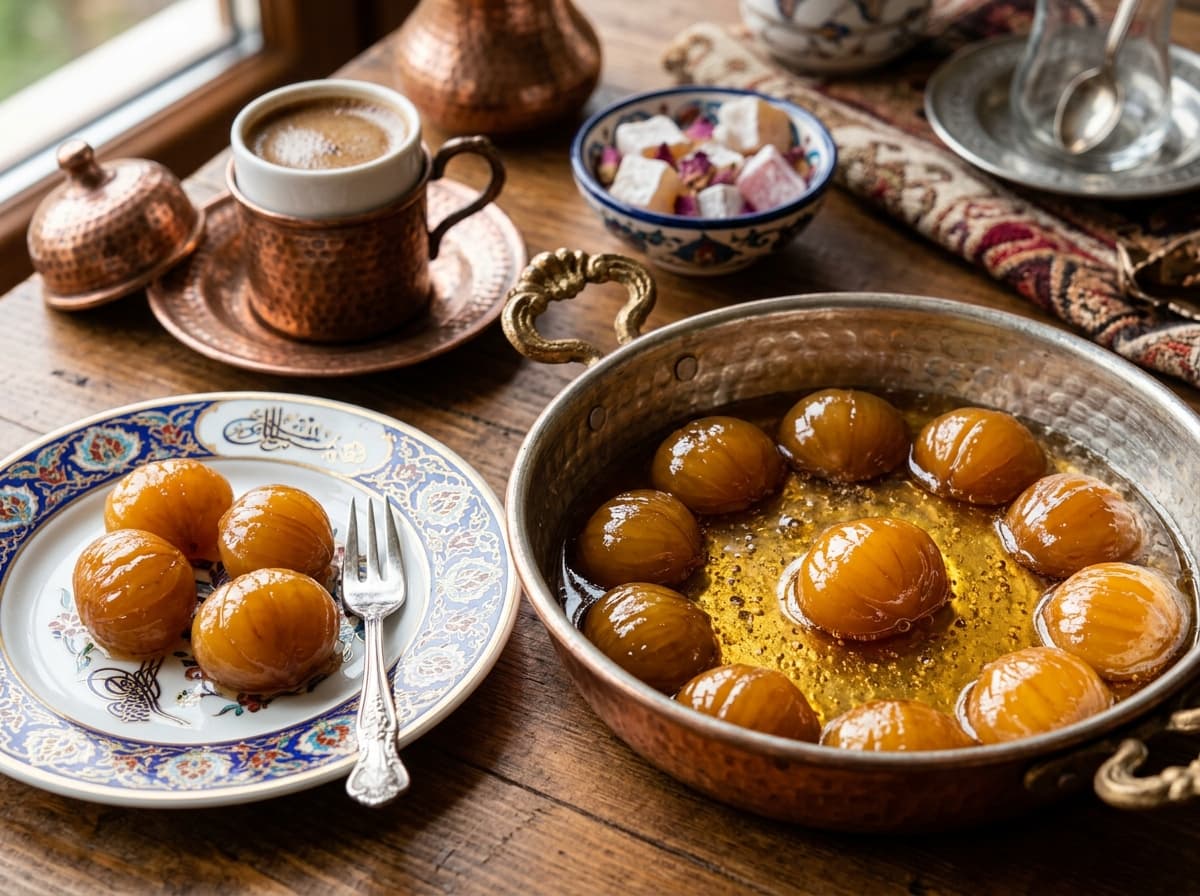
Kandierte Kastanien aus Bursa
Kafkas Pastanesi, Kardelen
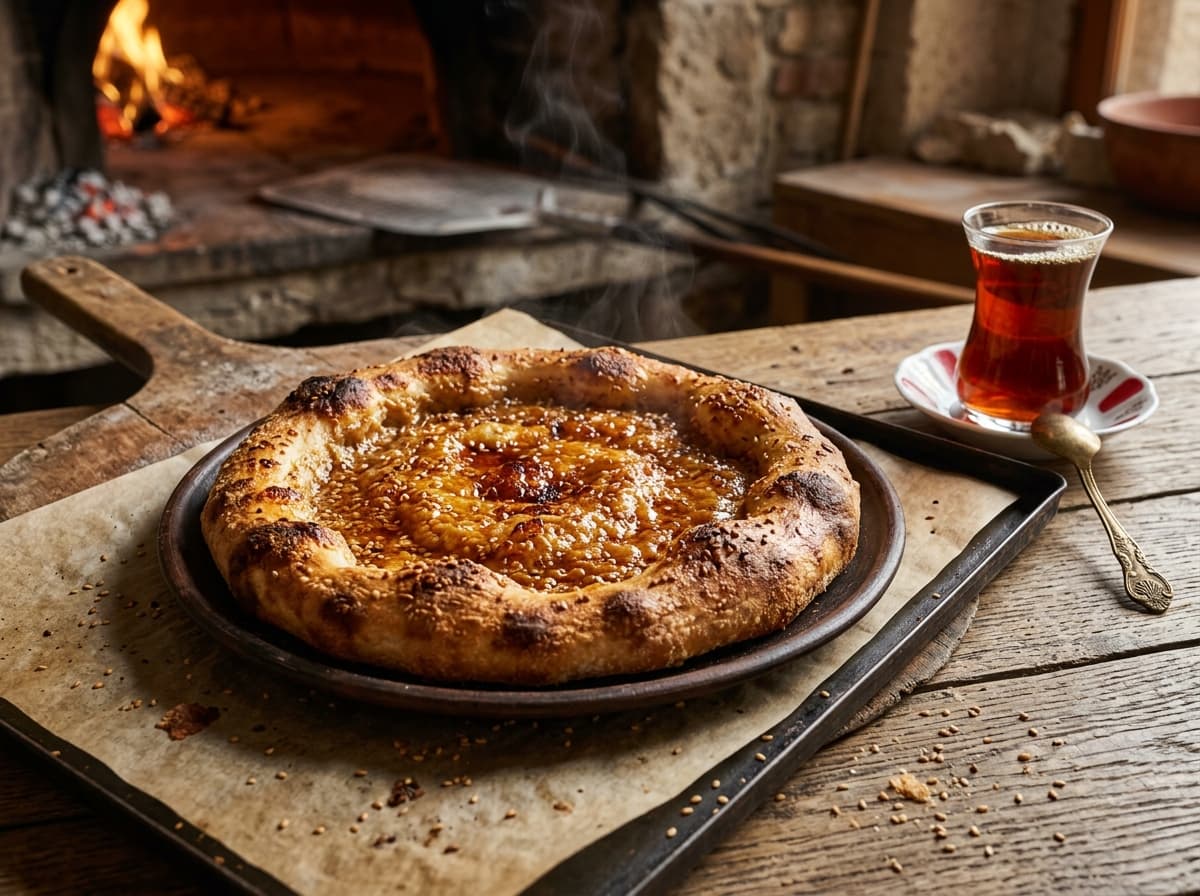
Bursa Tahin-Pide (Tahanlı)
Tarihi Abdal Fırını (Abdal-Platz)

Besucherinformationen


In der Nähe
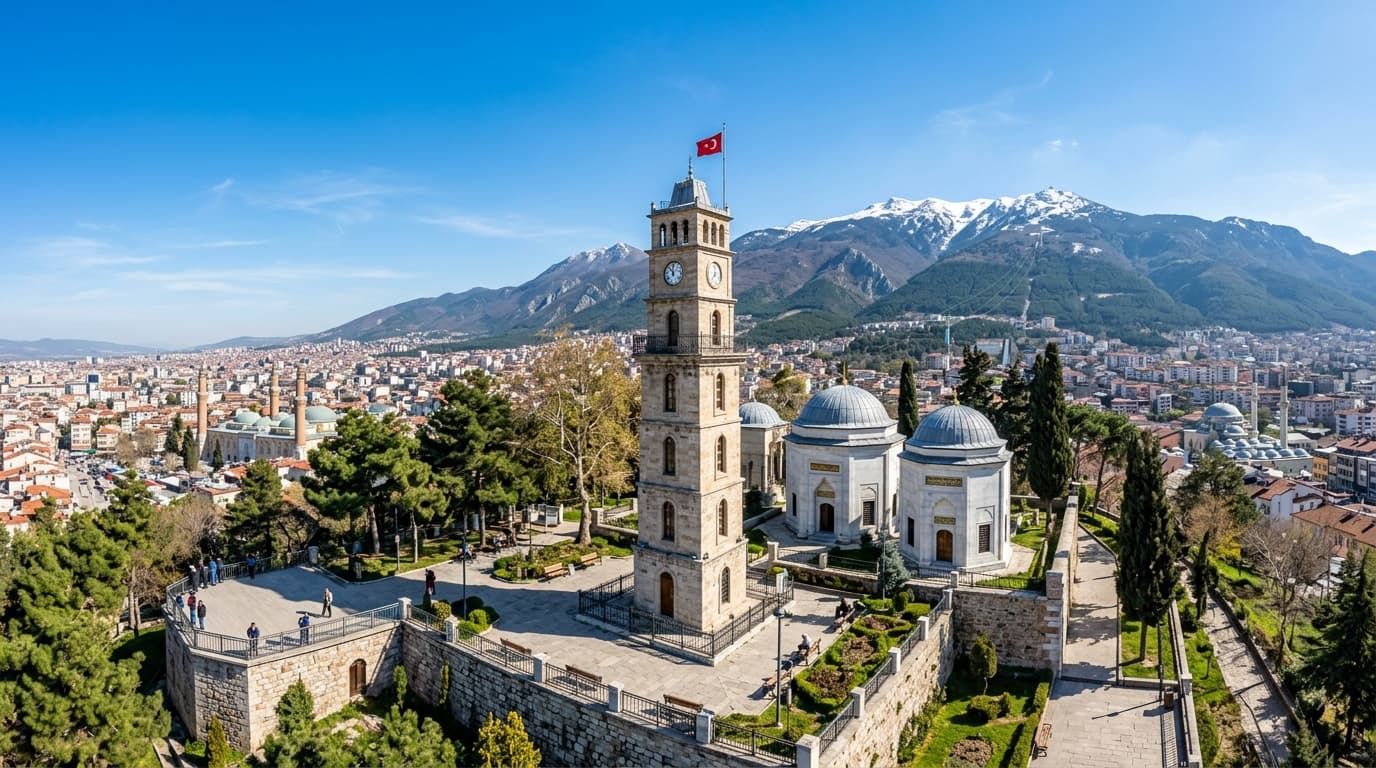
Mausoleen von Osman Gazi und Orhan Gazi
Resting side by side in Tophane Park, these tombs house Osman Gazi, founder of the Ottoman Empire, and his son Orhan Gazi, conqueror of Bursa. Featuring the Clock Tower, ancient ramparts, and hourly ceremonial Alp Honor Guard changes, it is Bursa's foremost historical shrine.
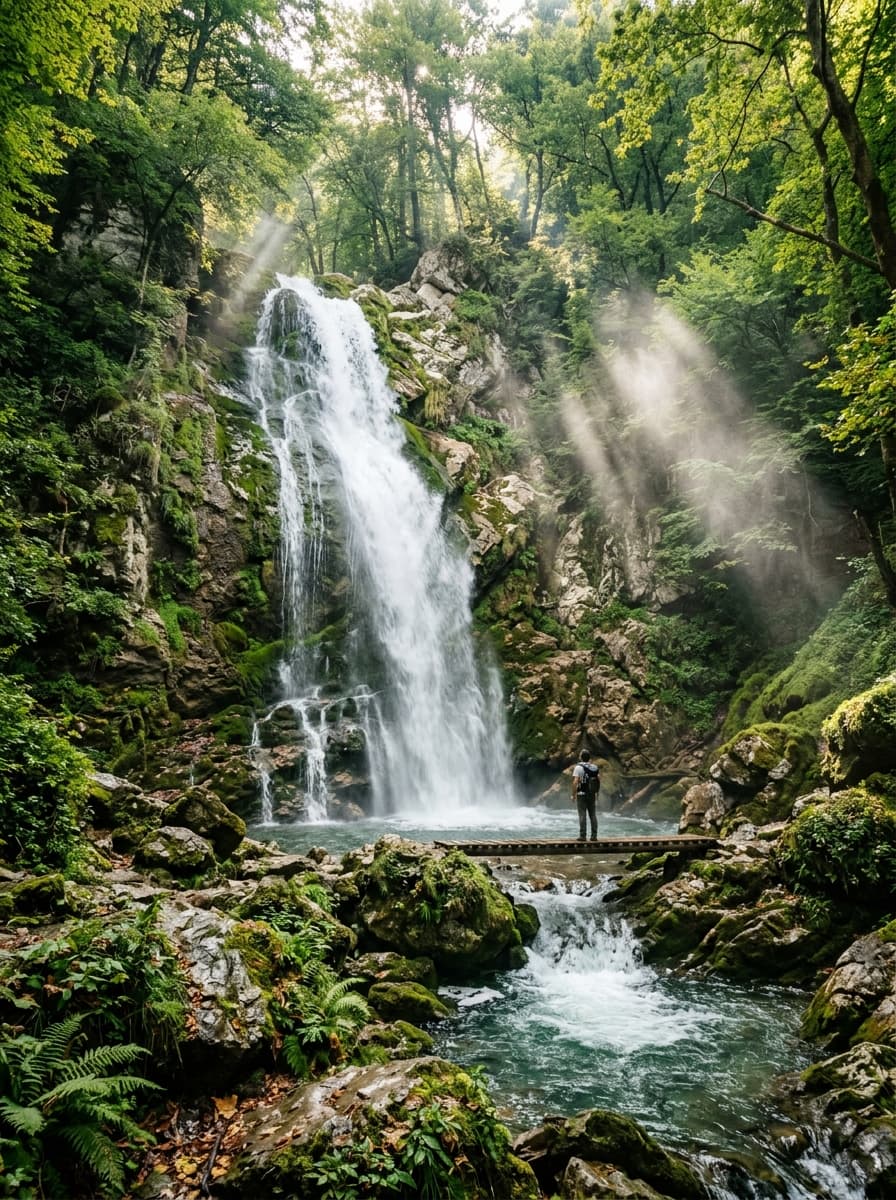
Gököz See & Naturpark (Gököz Natural Park)
Am südlichen Fuß des Berges Uludağ auf 1.120 Metern Höhe spiegelt der Gököz-See Pinienwälder und verschneite Gipfel wider. Mit Blockhütten, Reitsafaris, Kanufahren, Angeln und Berggastronomie ist er Bursas führendes Öko-Refugium für alle vier Jahreszeiten.
Yıldırım Bayezid Komplex und Darüşşifa-Krankenhaus
UNESCO-Welterbestätte von Sultan Bayezid I. mit dem ersten Krankenhaus und Medizininstitut des Osmanischen Reiches.