Iznik Hagia Sophia (Orhan Mosque): 7th Ecumenical Council Sanctuary & Guide
1. Essential Facts and Quick Visitor Summary
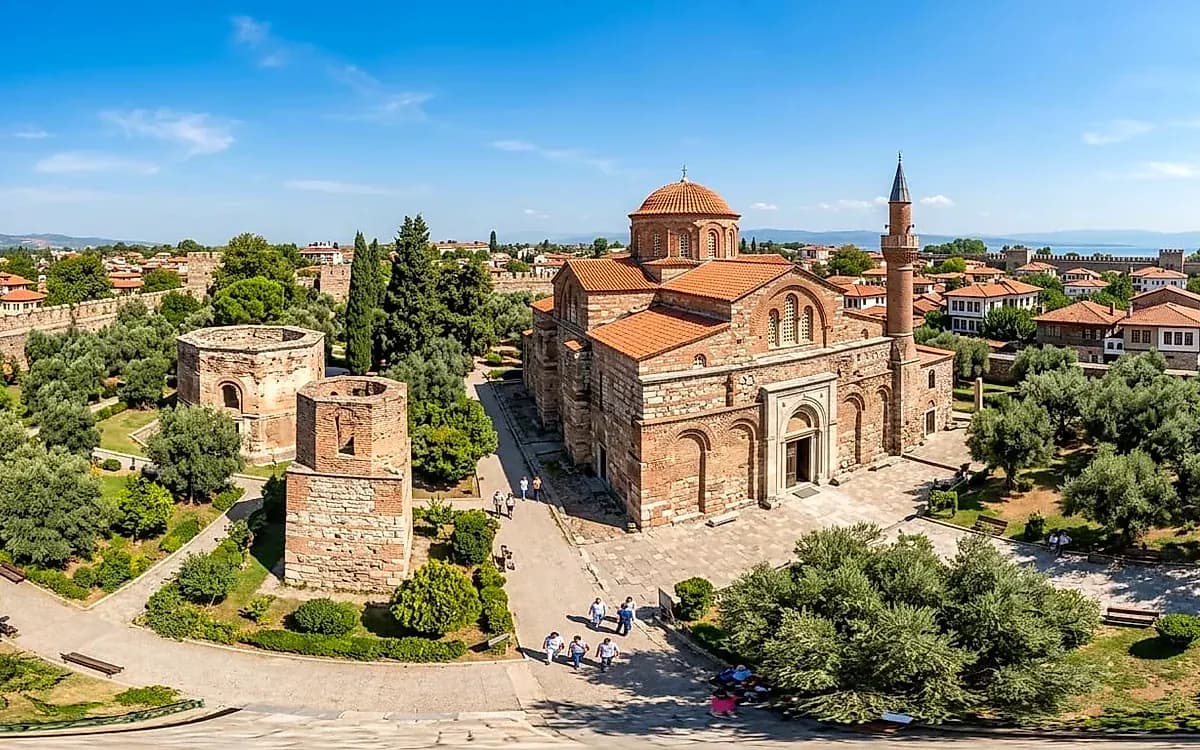
Iznik Hagia Sophia (Orhan Mosque) is an extraordinary world heritage sanctuary that hosted the historic Seventh Ecumenical Council (Second Council of Nicaea) in 787 AD, was converted into a mosque by Ottoman Sultan Orhan Gazi in 1331, and was masterfully restored by chief imperial architect Mimar Sinan in the 16th century. Located at the central intersection of the ancient Roman Cardo Maximus and Decumanus Maximus thoroughfares in Nicaea (modern İznik), this monument embodies 1,600 years of Roman, Byzantine, and Ottoman cultural synthesis.
Operating today both as an active house of prayer and as an open cultural monument welcoming international travelers, Iznik Hagia Sophia features original burial niches, the stepped semicircular episcopal bench (synthronon), geometric opus sectile floor mosaics, and elegant Ottoman pointed arches.
Iznik Hagia Sophia Quick Visitor Guide
- Location: Town Center, Kılıçaslan Avenue No:1, İznik / Bursa, Turkey.
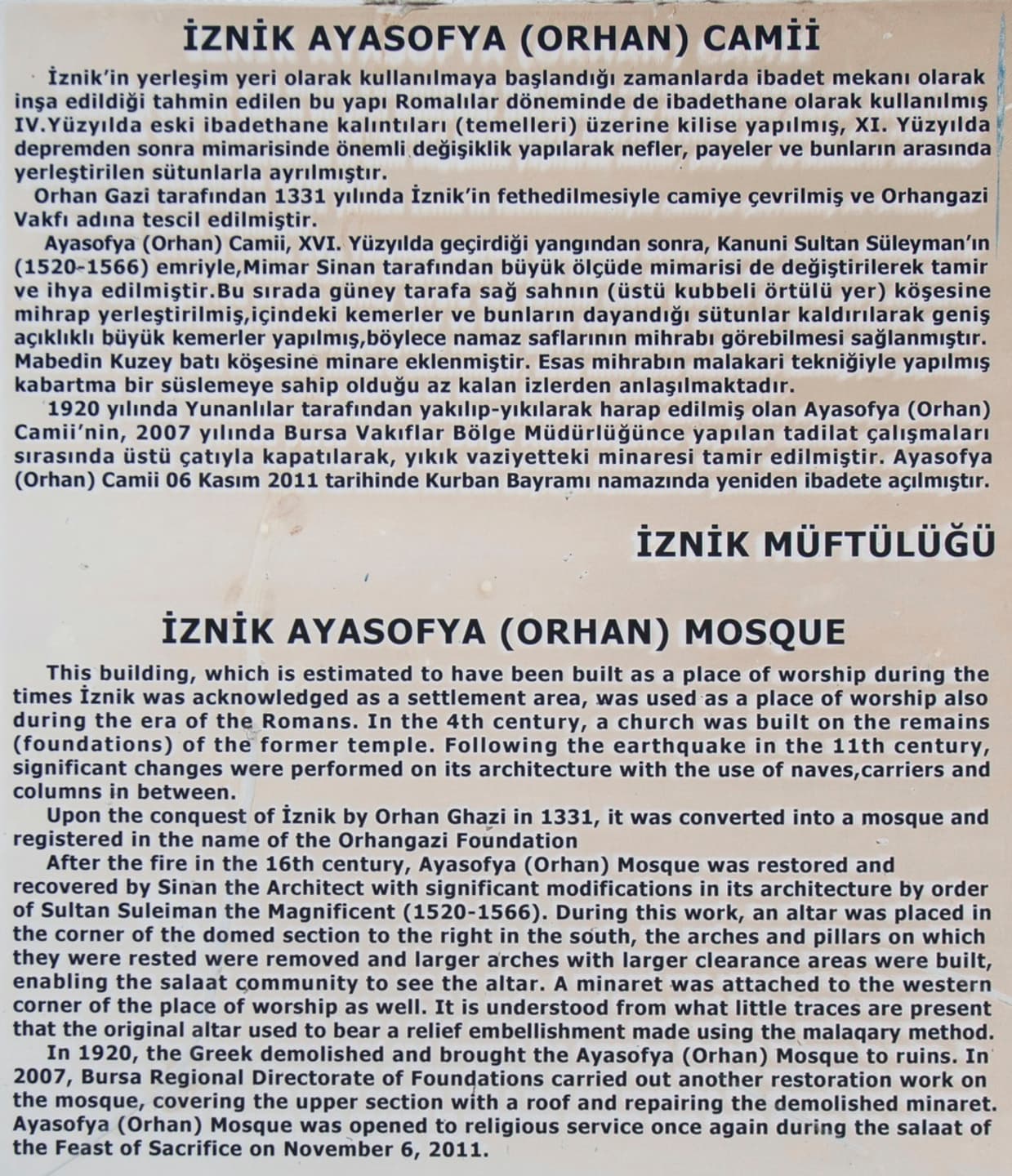
- Original Construction: 4th–5th century Early Christian basilica; rebuilt in 1065 after a devastating earthquake.
- Mosque Conversion: 1331 AD by Sultan Orhan Gazi (the first imperial Friday mosque of Ottoman Nicaea).
- Imperial Restoration: 16th century by Grand Architect Mimar Sinan under Sultan Suleiman the Magnificent.
- Visiting Hours: Daily 08:30 – 19:00 (Summer), 08:30 – 17:30 (Winter). Remains accessible during prayer times.
- Admission: Free of charge (operating under the Directorate General of Foundations).
- Key Highlights: 7th Council hall, semicircular synthronon, opus sectile marble floor, Byzantine fresco remnants, and Mimar Sinan's marble mihrab.
2. The Seventh Ecumenical Council (Second Council of Nicaea, 787 AD)
The foremost historical milestone of Iznik Hagia Sophia was hosting the Seventh Ecumenical Council in 787 AD. Convoked by Empress Irene and Patriarch Tarasios, this assembly gathered approximately 350 bishops to conclude the destructive period of Byzantine Iconoclasm. The council decreed that icons of Christ, the Virgin Mary, and saints should be venerated (proskynesis) rather than worshipped (latreia), a distinction that reunited Christian theology across both East and West.
As the last ecumenical council recognized jointly by both Catholic and Eastern Orthodox communions, Iznik Hagia Sophia holds premier global significance in Christian theology and world church history.
3. Ottoman Conquest and Conversion by Orhan Gazi (1331)
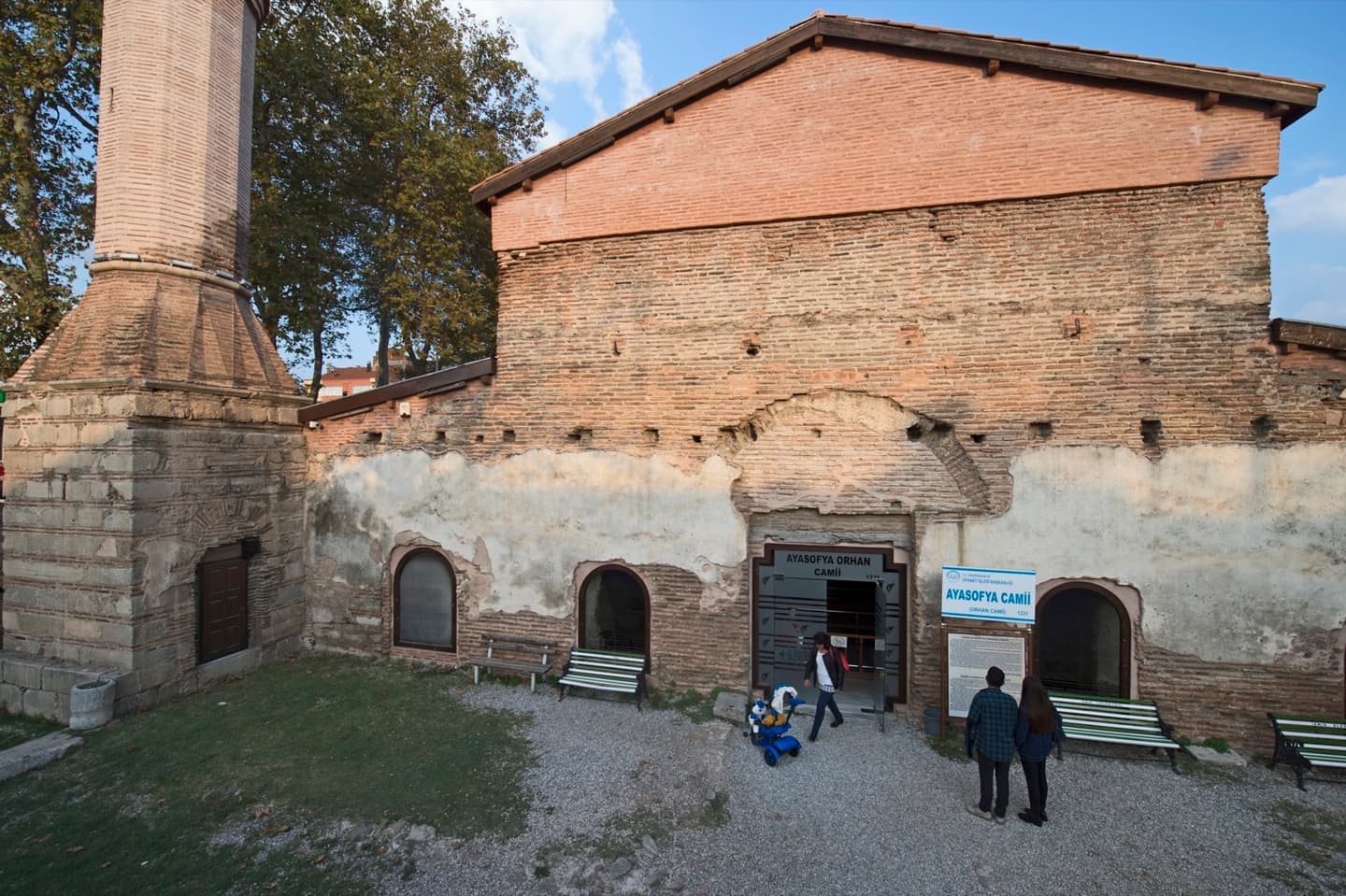
Upon capturing Nicaea in 1331, Sultan Orhan Gazi converted the grand basilica into the city's principal Friday mosque, known historically as Orhan Camii. A brick minaret was erected at the southwestern flank, the orientation was aligned towards Mecca, and adjacent charitable foundations—including an soup kitchen and college—were established.
Together with the nearby Süleyman Pasha Madrasa, İznik flourished as the intellectual capital of the young Ottoman state.
4. Architectural Interventions by Mimar Sinan
Following catastrophic fires and tremors in the early 16th century, Sultan Suleiman the Magnificent commissioned his chief architect, Mimar Sinan, to reconstruct and stabilize the monument. Rather than dismantling the Byzantine fabric, Sinan preserved the ancient exterior walls and columns while introducing classic Ottoman brick-and-stone pointed arches to support a restored timber roof.
Sinan also sculpted a magnificent carved marble mihrab niche into the southeastern wall, harmonizing ancient Christian basilical space with Islamic spiritual geometry.
5. Architecture: Synthronon, Opus Sectile Floor, and Frescoes
The structure presents a classic three-aisled basilica design:
- Synthronon: A tiered semicircular seating tier in the eastern apse where clergy sat during synods and the 7th Ecumenical Council.
- Opus Sectile Mosaics: Intricate geometric floor medallions made from cut colored marbles and porphyry.
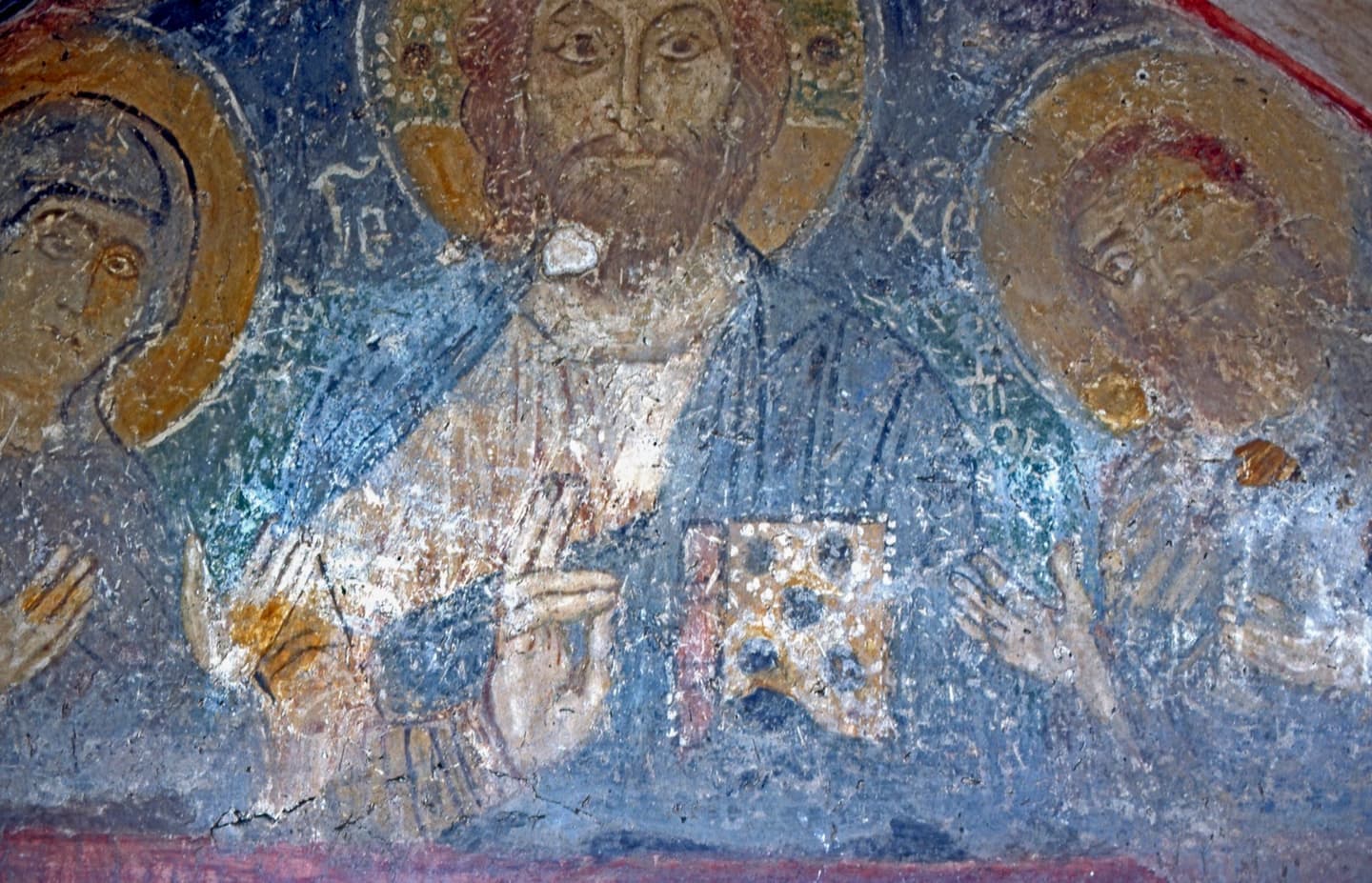
- Frescoes & Burial Niches: Wall niches (arcosolia) in the narthex containing surviving Byzantine religious frescoes and tombs.
- Roman Spolia: Classical Corinthian marble capitals and columns repurposed from Roman Nicaea's imperial temples and theater.
6. Modern Restoration and Dual Function
Restored thoroughly between 2007 and 2011, the building reopened for Islamic worship in November 2011 while maintaining its museum-grade architectural preservation. Visitors of all faiths walk freely inside outside prayer times, observing both Byzantine iconography and Ottoman calligraphy under one roof.
7. How to Get There and Parking
İznik Hagia Sophia sits at the absolute center of town, equidistant from all four historical gates:
- From Bursa: Frequent regional minibuses depart from Bursa Intercity Terminal and East Terminal (approx. 1 hour 15 minutes).
- From Istanbul: Crossing the Osmangazi Bridge and taking the Yalova-Orhangazi route takes approximately 1.5 to 2 hours by car.
- Parking: Municipal street parking and lots are available within 50–150 meters of the central plaza.
8. Visitor Etiquette and Guidelines
- Dress Code: As an active mosque, shoes must be removed before entering carpeted sections. Modest dress covering shoulders and knees is required; complimentary headscarves are provided at the entrance for female visitors.
- Photography: Photography without flash or tripods is permitted. Avoid pointing cameras directly at worshipers during prayer.
- Preservation: Do not touch surviving wall paintings or step beyond protective glass railings over the opus sectile floor mosaics.
9. Nearby Attractions in İznik
- Süleyman Pasha Madrasa: 250 meters away, housing historic tile workshops.
- İznik Green Mosque (Yeşil Cami): Renowned for its stunning turquoise and green glazed brick minaret.
- Ancient City Walls and Lefke Gate: Monumental Roman triple-arch gate.
- Lake İznik Waterfront: Perfect for tasting local freshwater catfish and watching sunsets.
10. Local Delicacies and Authentic Tile Shopping
While visiting, acquire authentic handmade quartz tiles bearing 16th-century Ottoman patterns from licensed local kilns, and taste famed Lake İznik catfish (yayın balığı) and thin-skinned cured table olives.
Insider Tip
"Look carefully at the glass-covered partitions on the floor of the mosque; You can see the 1200-year-old colorful marble opus sectile floor mosaics that testify to the council in 787."
Bursamız Local Guide Notes
Google E-E-A-T Verified Visitor Experience & Insights
Dr. Kemal Altın
Tarih & UNESCO Mirası Danışmanı • Tarih Danışmanı & Yazar
Osmanlı'nın ilk başkenti Bursa'nın sultan külliyeleri, hanlar bölgesi ve tarihi mahalleleri üzerine doktora tezine sahip akademisyen ve araştırmacı yazar.
This content has been prepared in compliance with Bursamız Editorial Standards, cross-verified with official city data.
Photo Gallery
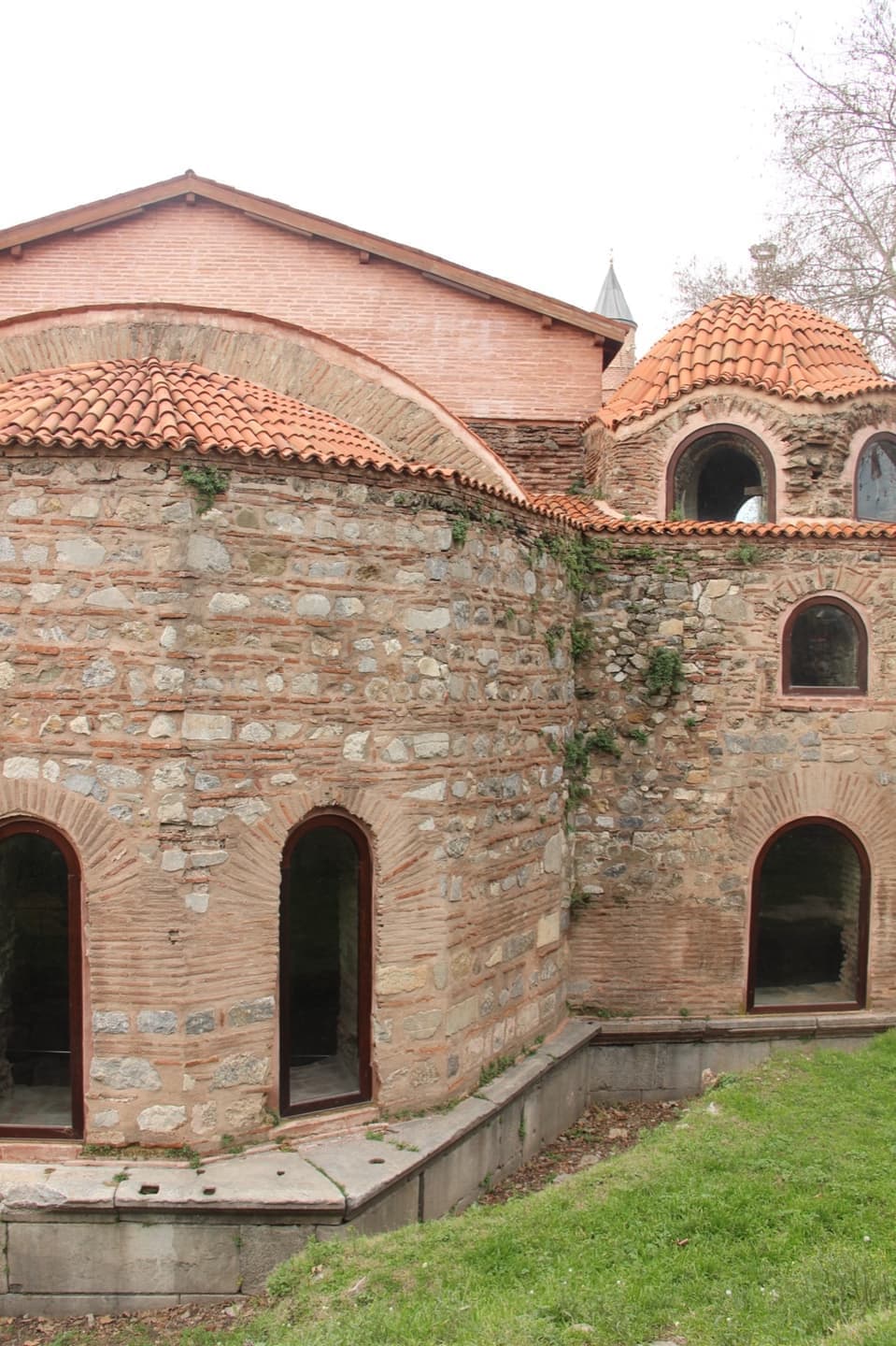
Iznik Hagia Sophia (Orhan Mosque): 7th Ecumenical Council Sanctuary & Guide 360° Virtual Tour & Earth 3D Station
Satellite 3D telemetry, terrain topography, and 360° street panoramas are fully calibrated. Fly in 3D orbit or tour inside step by step.
Add to Your Route & Stamp in Culture Passport
Plan and optimize your Bursa trip on the interactive map; check in on-site via GPS to collect digital stamps and earn the official Bursa City Ambassador award.
Frequently Asked Questions (FAQ)
Where is Iznik Hagia Sophia and how can I get there?
Iznik Hagia Sophia is situated at the exact historic center of İznik (ancient Nicaea) at the intersection of its main avenues. It is easily reachable by regular buses from Bursa central bus stations (approx. 75 minutes) or by private vehicle via the Osmangazi Bridge from Istanbul in about 90 minutes.
Was the 7th Ecumenical Council held here?
Yes, the 7th Ecumenical Council (Second Council of Nicaea) convened inside this basilica in 787 AD under Empress Irene and Patriarch Tarasios. It ended Byzantine Iconoclasm by restoring the veneration of sacred icons and remains the last council recognized jointly by Eastern and Western Christendom.
When and by whom was the basilica converted into a mosque?
It was converted into a mosque in 1331 AD by Ottoman Sultan Orhan Gazi following the conquest of Nicaea, becoming the first principal Friday mosque of the early Ottoman realm under the name Orhan Camii.
What architectural contributions did Mimar Sinan make here?
Commissioned by Sultan Suleiman the Magnificent in the 16th century, imperial architect Mimar Sinan reinforced the damaged structure, introduced graceful pointed brick arches to support the timber roof, and carved a classical Ottoman marble mihrab while keeping the Byzantine shell intact.
Is there an entrance fee or is Museum Pass required?
No, entrance is completely free for all domestic and international visitors. Because it operates as an active mosque managed by the Directorate General of Foundations, no ticket or museum pass is needed.
What are the visiting hours?
The site is open daily from 08:30 to 19:00 in summer and 08:30 to 17:30 in winter. Cultural visits continue smoothly throughout the day, respecting quietness during the five daily prayer calls.
What is the dress code for visitors?
Visitors must remove footwear before entering carpeted spaces. Modest attire covering shoulders and knees is mandatory. Female guests are asked to cover their hair, and complimentary headscarves are provided at the entrance.
Can original Byzantine frescoes and mosaics still be seen inside?
Yes, intact wall niches display Byzantine frescoes of Christ and saints, and beautifully preserved geometric opus sectile marble floor panels can be viewed under glass safety walkways.
What is the semicircular tiered bench (synthronon) in the apse?
The synthronon is an Early Christian stepped semicircular bench located inside the eastern apse where bishops and senior clergy sat during liturgical synods, including the 350 bishops who attended the 7th Ecumenical Council in 787 AD.
How does Iznik Hagia Sophia differ from Hagia Sophia in Istanbul?
While Istanbul's Hagia Sophia is a monumental domed cathedral constructed under Emperor Justinian in 537 AD, Iznik Hagia Sophia is a timber-roofed three-aisled basilica, celebrated specifically as the host site of the 7th Ecumenical Council.
Is photography permitted inside the building?
Yes, non-flash photography and videography are freely permitted. Handheld tripods and commercial filming require prior authorization, and photographers must avoid pointing lenses directly at worshipers in prayer.
Are there dining and parking options nearby?
Yes, several municipal parking spaces are located within a short 2-minute walk. The surrounding plaza offers traditional teahouses, olive oil boutiques, and restaurants serving famous local meatballs and lake fish.
How much time is recommended for a visit?
A comprehensive visit to appreciate the architecture, inscriptions, synthronon, and frescoes takes approximately 30 to 45 minutes. It can easily be combined with nearby tile madrasas for a 2-hour tour.
Is the site wheelchair and stroller accessible?
Yes, low ramp access is available at the entrance, and the interior floor is flat and carpeted, making it accessible for wheelchairs and prams.
What is the relationship between Iznik tiles and Hagia Sophia?
The kilns that produced the world-famous 16th-century quartz İznik tiles for imperial Ottoman palaces and mosques were situated right around Hagia Sophia, particularly near the neighboring Süleyman Pasha Madrasa.
Visitor Information
Explore İznik & Surroundings
Gastronomy, district guides, and latest regional highlights in İznik.
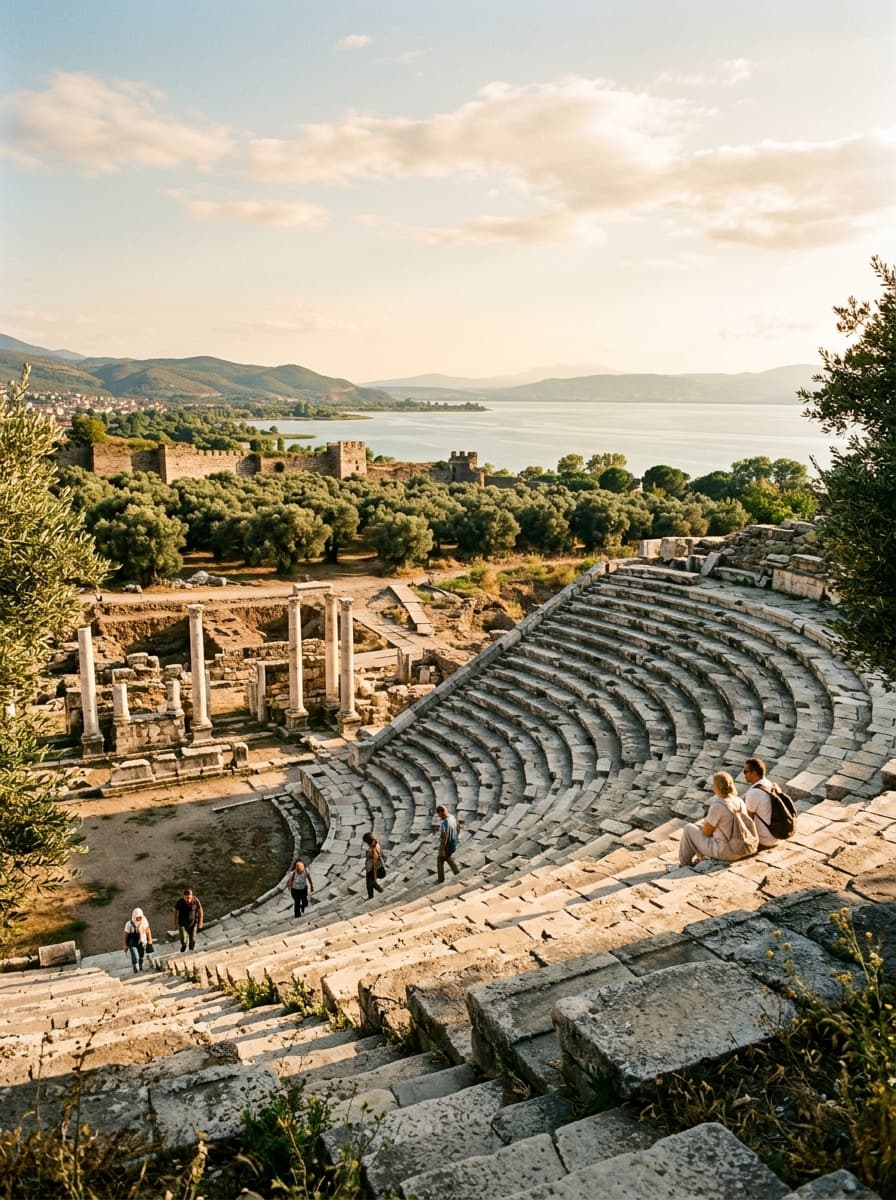
Iznik Travel Guide: 4-Gated Ancient Walls, Hagia Sophia and Tile Kilns
Iznik, an open-air museum on the UNESCO World Heritage Tentative List: Hagia Sophia, where the 1st and 7th Ecumenical Councils met, the sunken basilica and turquoise tiled mosques.
Thematic Travel Routes Featuring This Place
Bursa Travel Guide in 24 Hours: A Perfect Day in the First Capital of the Ottoman Empire
From the spiritual majesty of the Grand Mosque and the silk courtyards of Koza Han to legendary Iskender Kebab and panoramic Mount Uludağ cable car, here is your ultimate 24-hour step-by-step Bursa itinerary.
Bursa Ottoman Heritage and UNESCO Complexes Walking Route
Step-by-step cultural walking itinerary connecting the 5 great imperial sultan complexes, the ancient bazaar district, and the UNESCO village of Cumalıkızık.
Registered Gastronomy in İznik
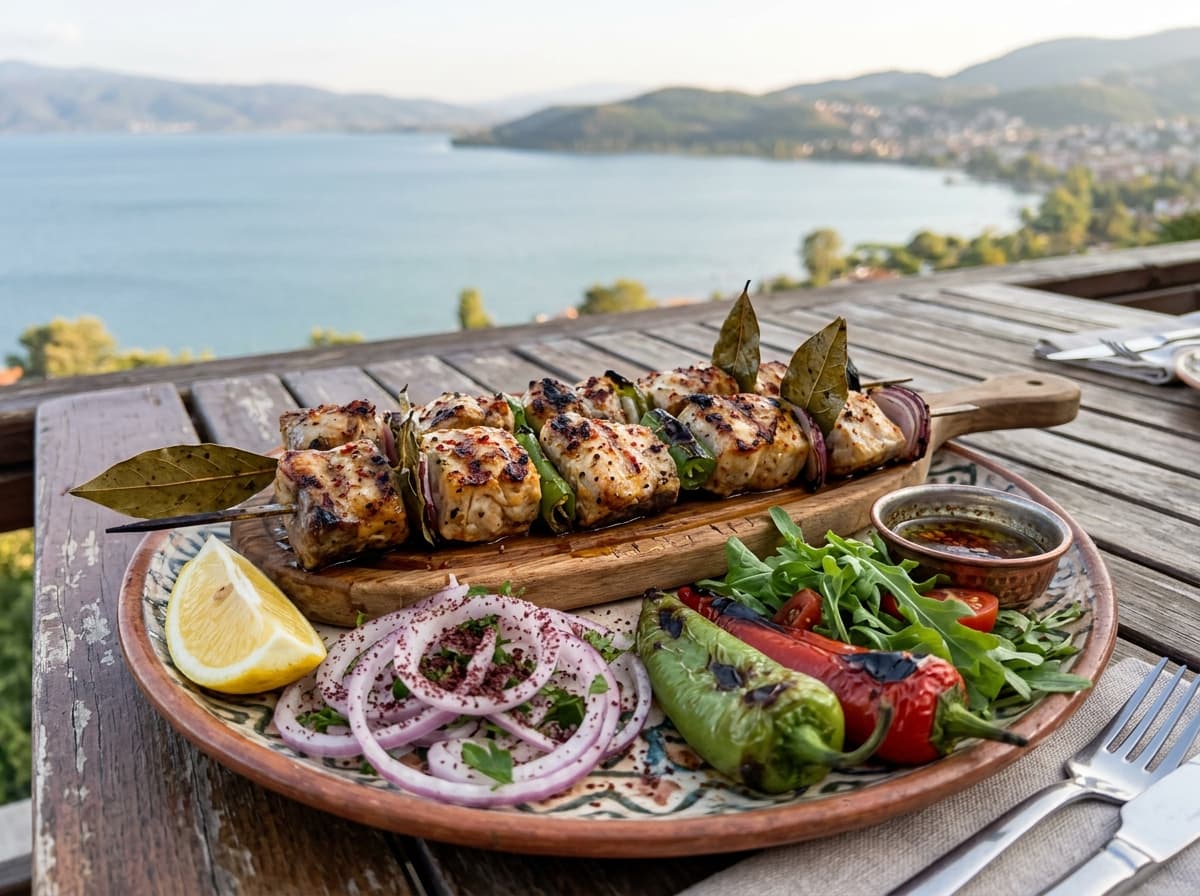
Lake İznik Skewered Catfish
Lakeside fish restaurants in İznik (Çamlık, Köşk)
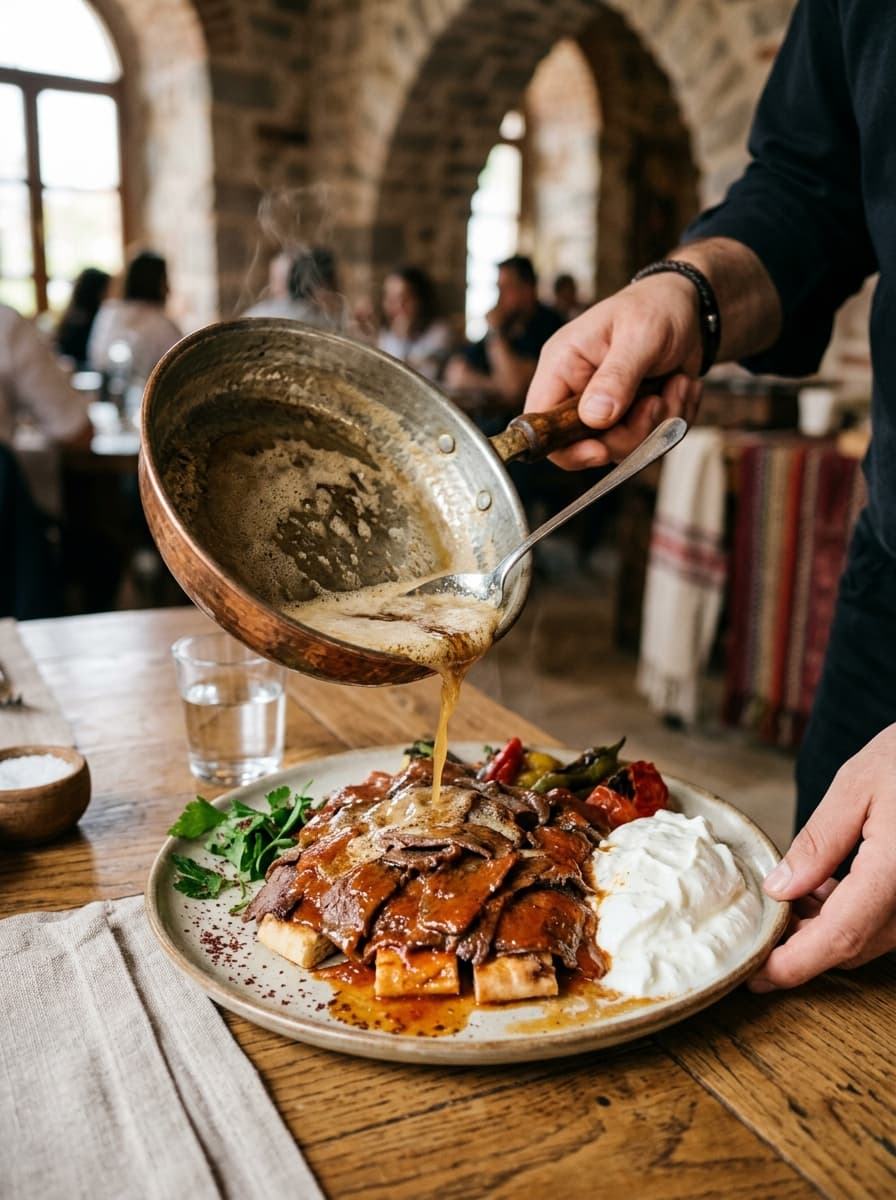
Authentic Bursa Iskender Kebab
Kebapçı İskender (Historic Blue Shop, Heykel), Kebapçı Hüseyin (Alacahırka), Kebapçı İsmail (Kayhan)
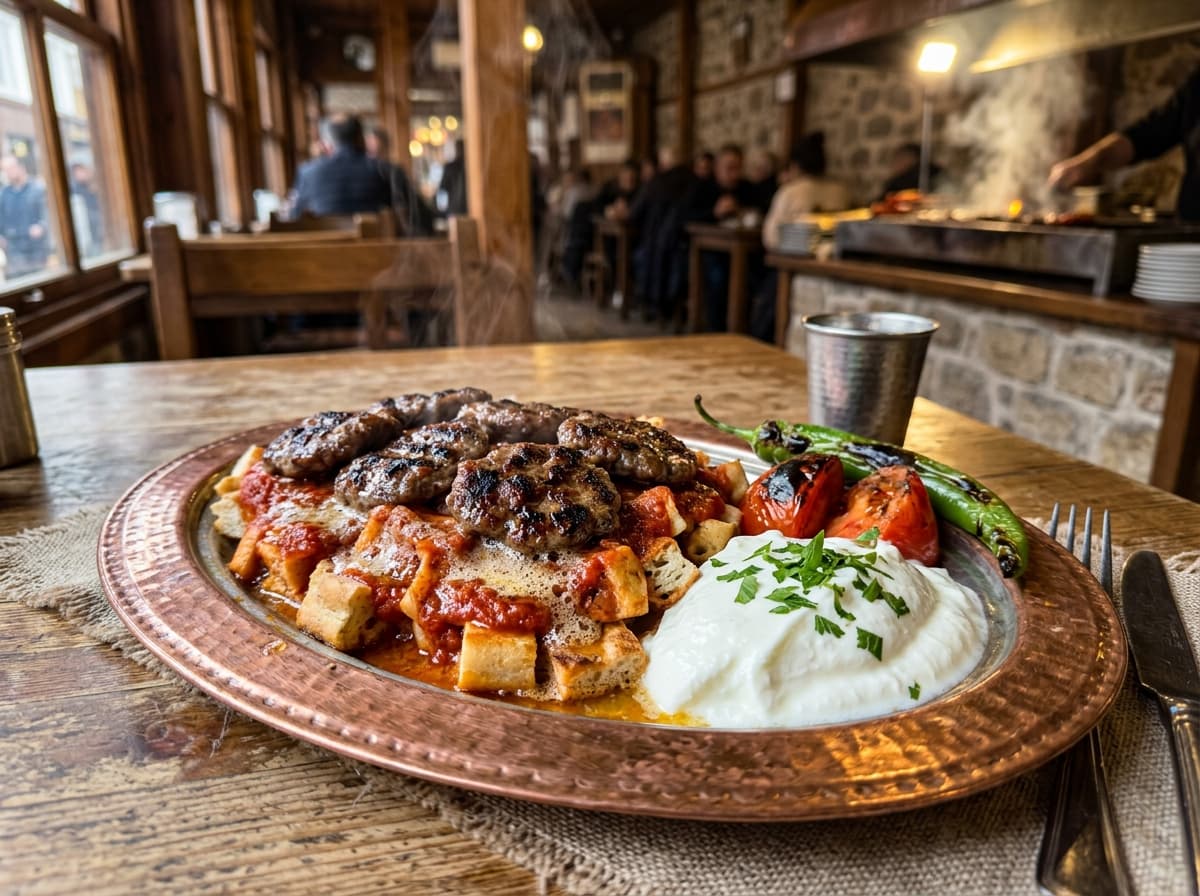
Bursa Meatballs on Flatbread (Pideli Köfte)
Historic Kayhan Bazaar (Hacı Bey, Köfteci Yeşil, İdris)
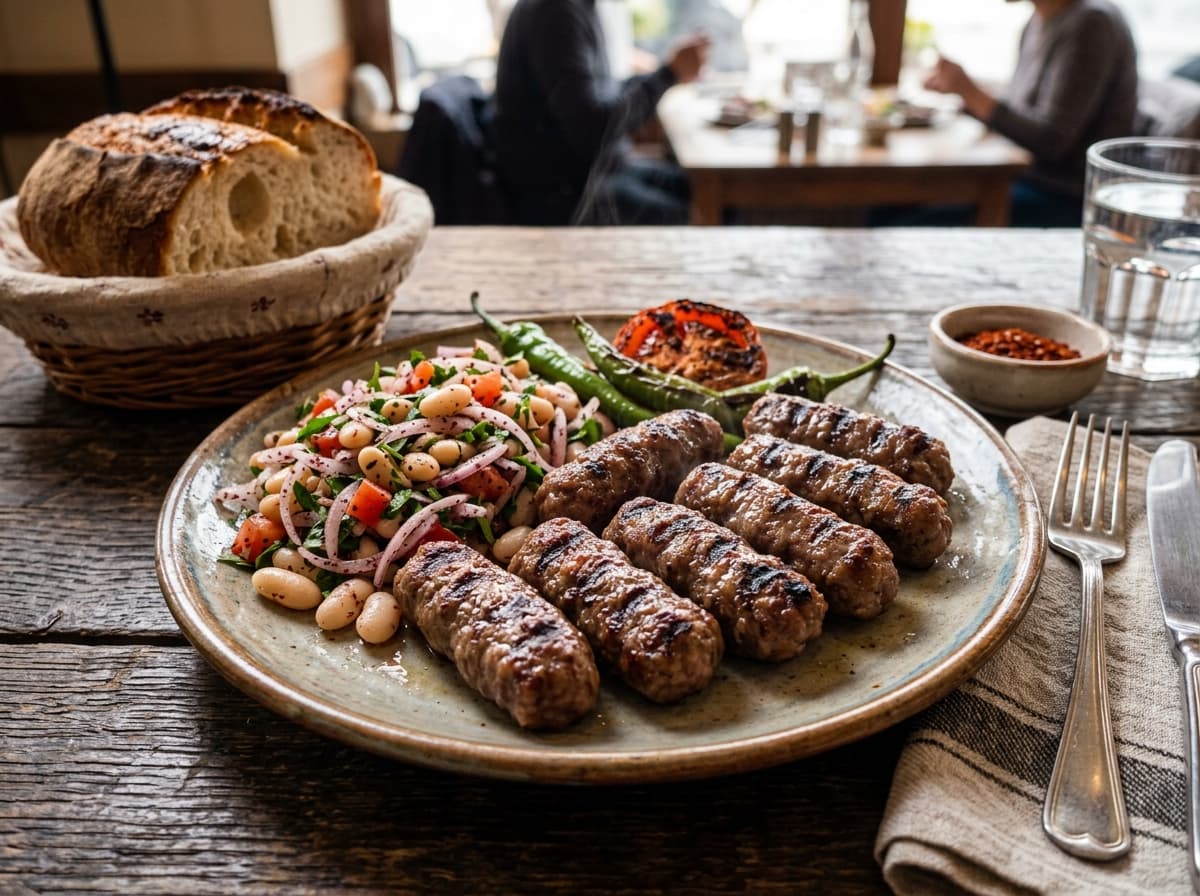
Registered İnegöl Meatballs
Historic Besler Köftecisi (Est. 1893), Zeynel Köfte
Iznik Hagia Sophia (Orhan Mosque): 7th Ecumenical Council Sanctuary & Guide
Visitor Information
What to Do in 2 Hours Around Iznik Hagia Sophia (Orhan Mosque): 7th Ecumenical Council Sanctuary & Guide
A curated step-by-step pedestrian itinerary to explore the historic neighborhood effortlessly.
Iznik Hagia Sophia (Orhan Mosque): 7th Ecumenical Council Sanctuary & Guide
40 min visit, architectural highlights and photo stop
New İznik Archeological Museum
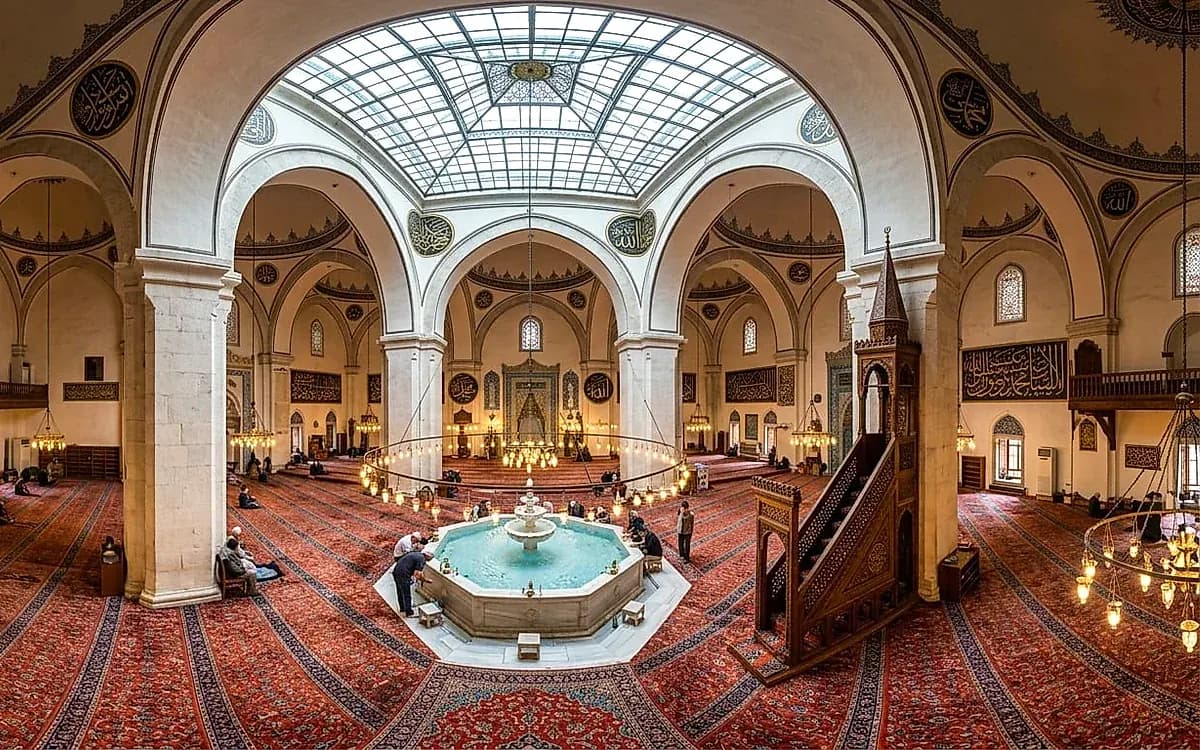
One of Turkey's most state-of-the-art archaeological museums, showcasing monumental Roman marble sarcophagi, intricate mosaics, coins, and relics from the sunken lakeside basilica of ancient Nicaea.
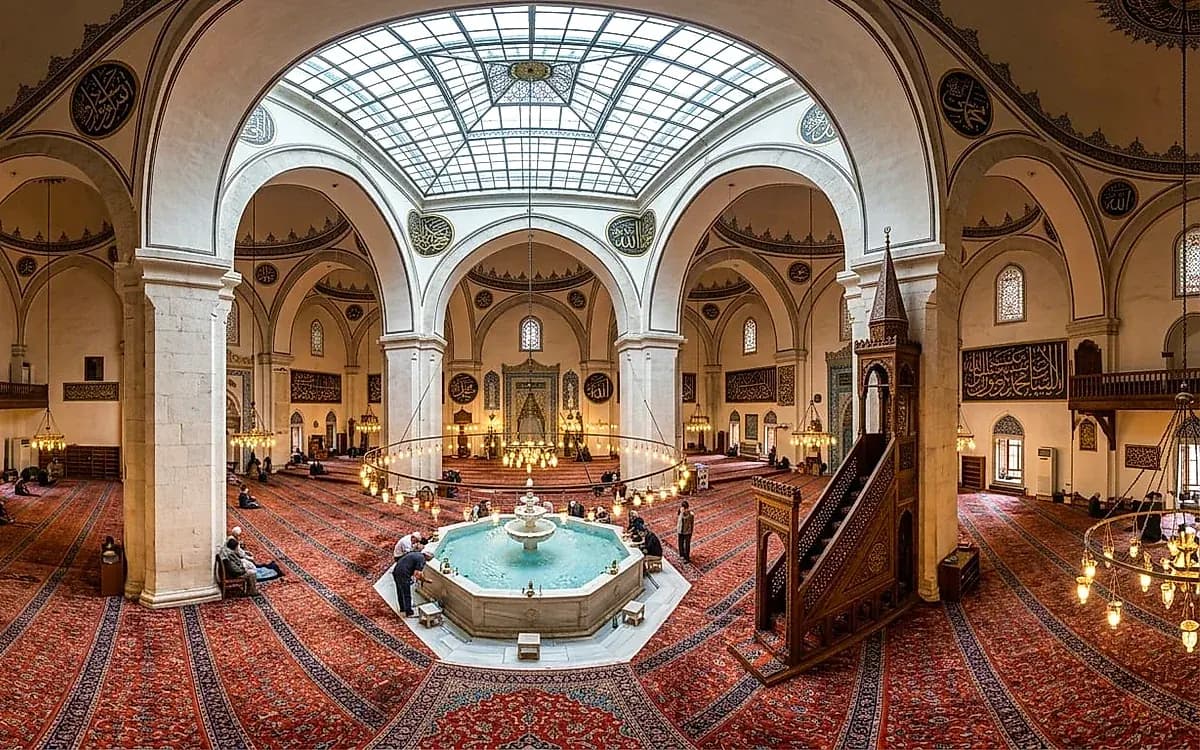
Süleyman Pasha Madrasa: Oldest Surviving Ottoman College & Tile Bazaar
İznik Süleyman Pasha Madrasa guide: Built circa 1332 by the Conqueror of Rumelia, oldest U-plan open courtyard Ottoman college, handmade Iznik tile workshops, and 15 FAQs.
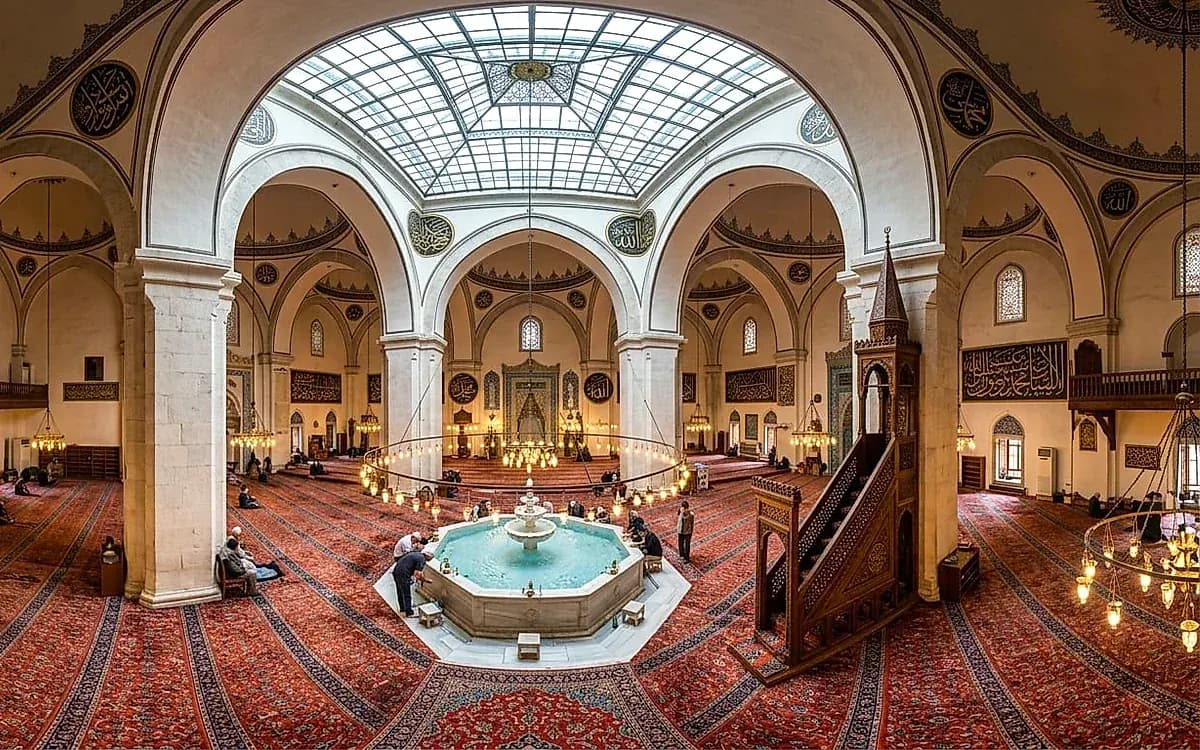
İznik Murad Hüdavendigar Bathhouse Müzesi
Situated in Osmangazi, İznik Murad Hüdavendigar Hamamı Müzesi represents Bursa's rich cultural traditions, timeless architecture, and high standard of community facilities.
Lake İznik Skewered Catfish
Savor traditional Lake İznik Skewered Catfish or authentic Turkish coffee in a historic courtyard (20 min).
Other Recommended Attractions in and around İznik
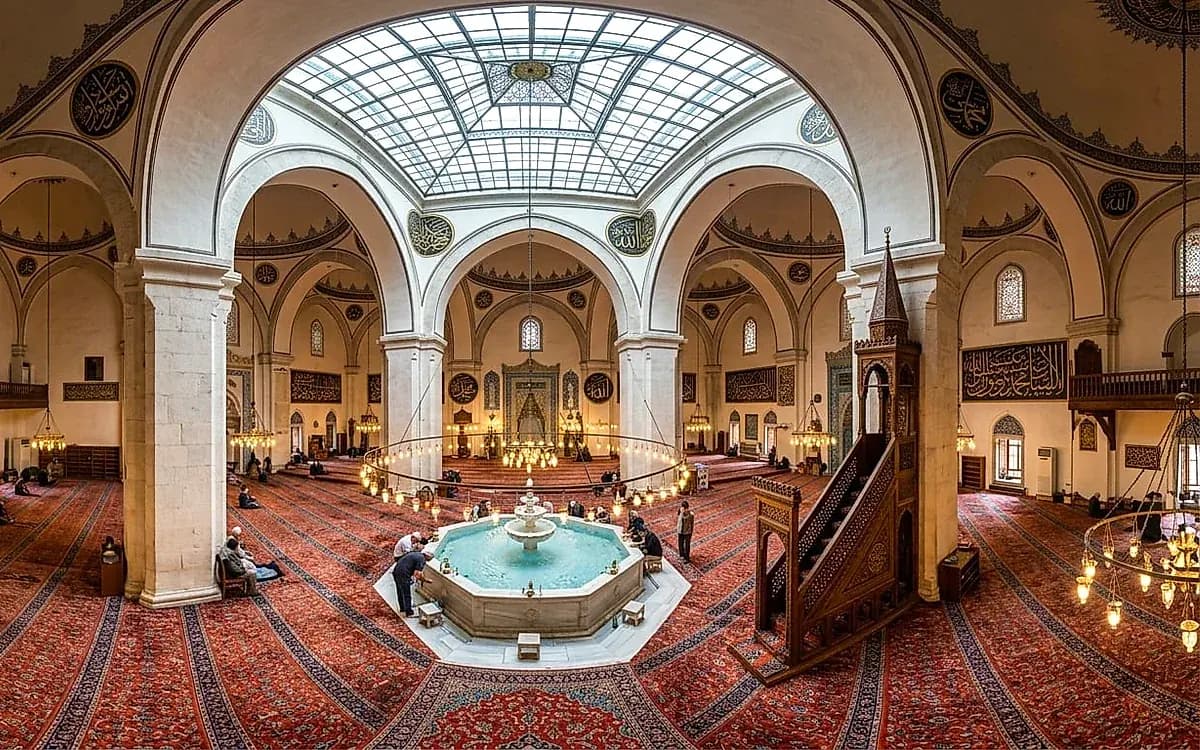
Historic Istanbul Gate & Ancient Walls of Nicaea (İznik)
İznik Istanbul Gate visitor guide: Modeled after Rome’s triumphal arches, Roman theater reliefs, twin octagonal bastions, and 15 FAQs.
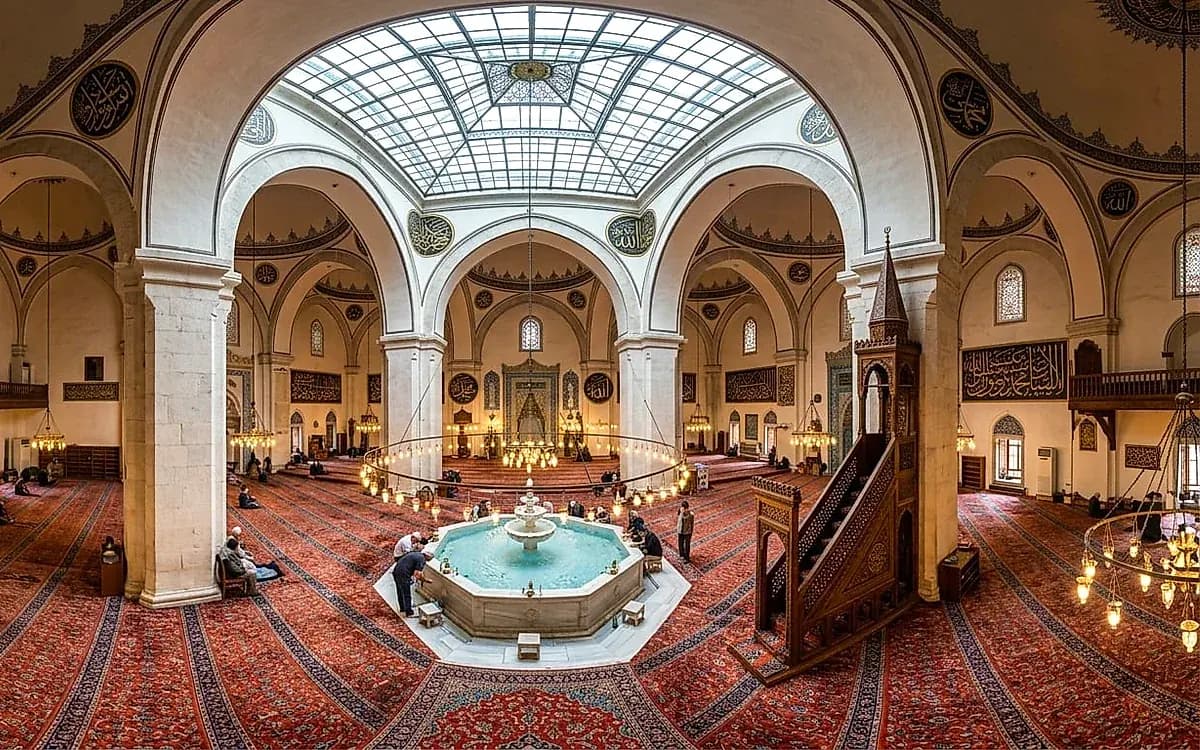
İznik Green Mosque (Çandarlı Halil Pasha)
A pinnacle of early Ottoman architecture commissioned in 1378, famed worldwide for its turquoise-and-green glazed brick minaret.
Süleyman Pasha Madrasa: Oldest Surviving Ottoman College & Tile Bazaar
İznik Süleyman Pasha Madrasa guide: Built circa 1332 by the Conqueror of Rumelia, oldest U-plan open courtyard Ottoman college, handmade Iznik tile workshops, and 15 FAQs.
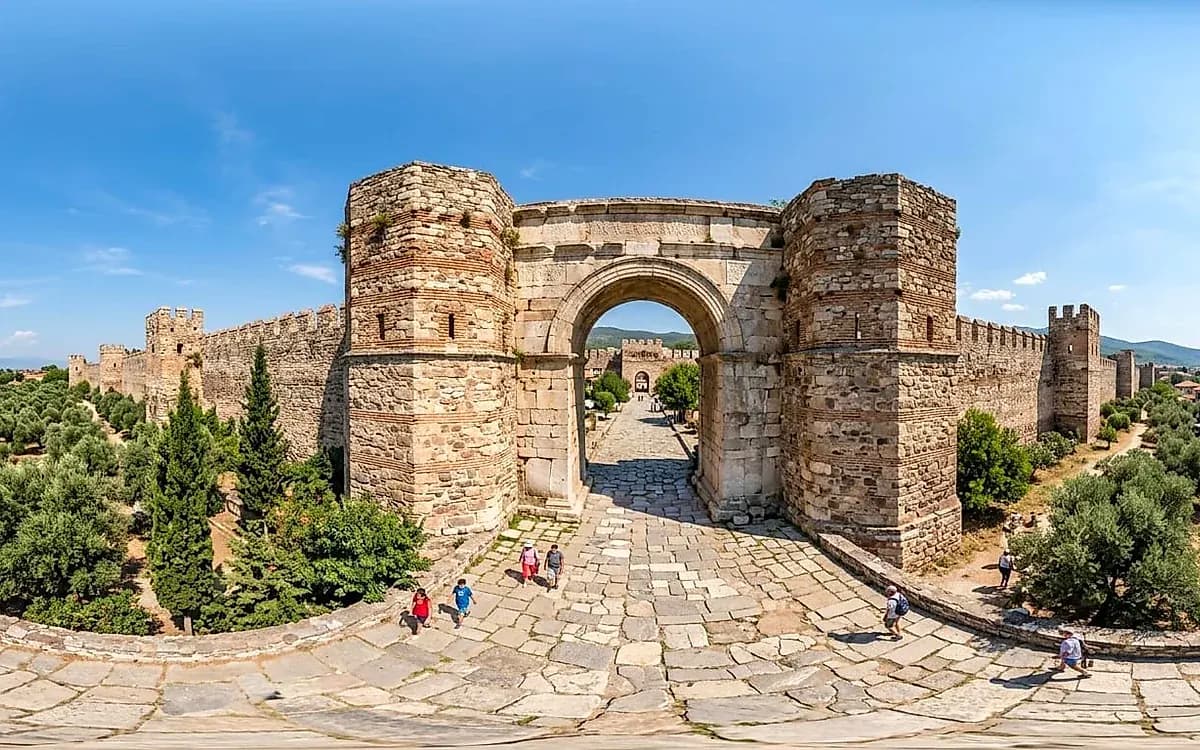
Iznik Ancient Walls & Lefke Gate: 5-Kilometer Roman Fortress Guide
İznik ancient city walls and Lefke Gate guide: 4,970-meter double ramparts, 114 towers, Roman triumphal arch architecture, aqueducts, and 15 FAQs.