Bursa Ottoman Heritage and UNESCO Complexes Walking Route
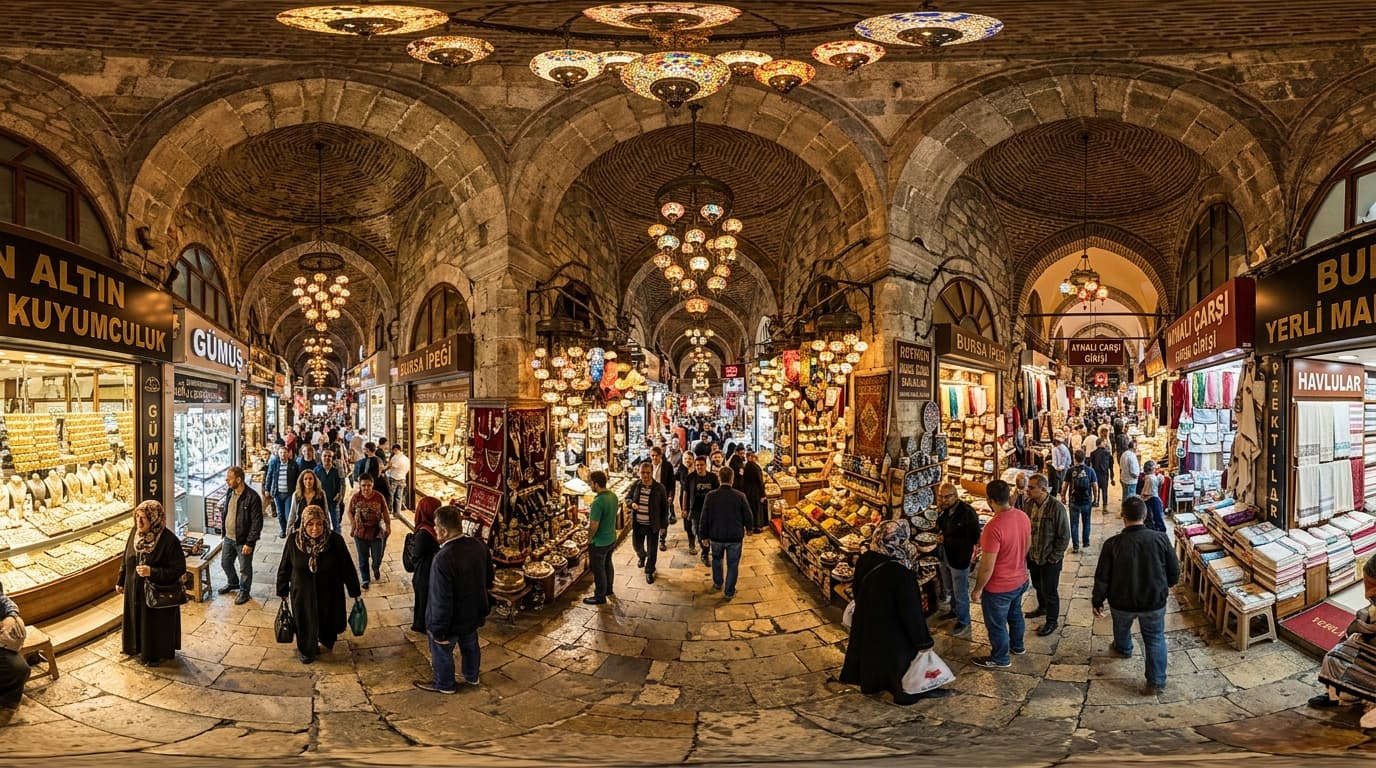
Step-by-step cultural walking itinerary connecting the 5 great imperial sultan complexes, the ancient bazaar district, and the UNESCO village of Cumalıkızık.
Bursa's UNESCO World Heritage Identity & Imperial Complex Architecture
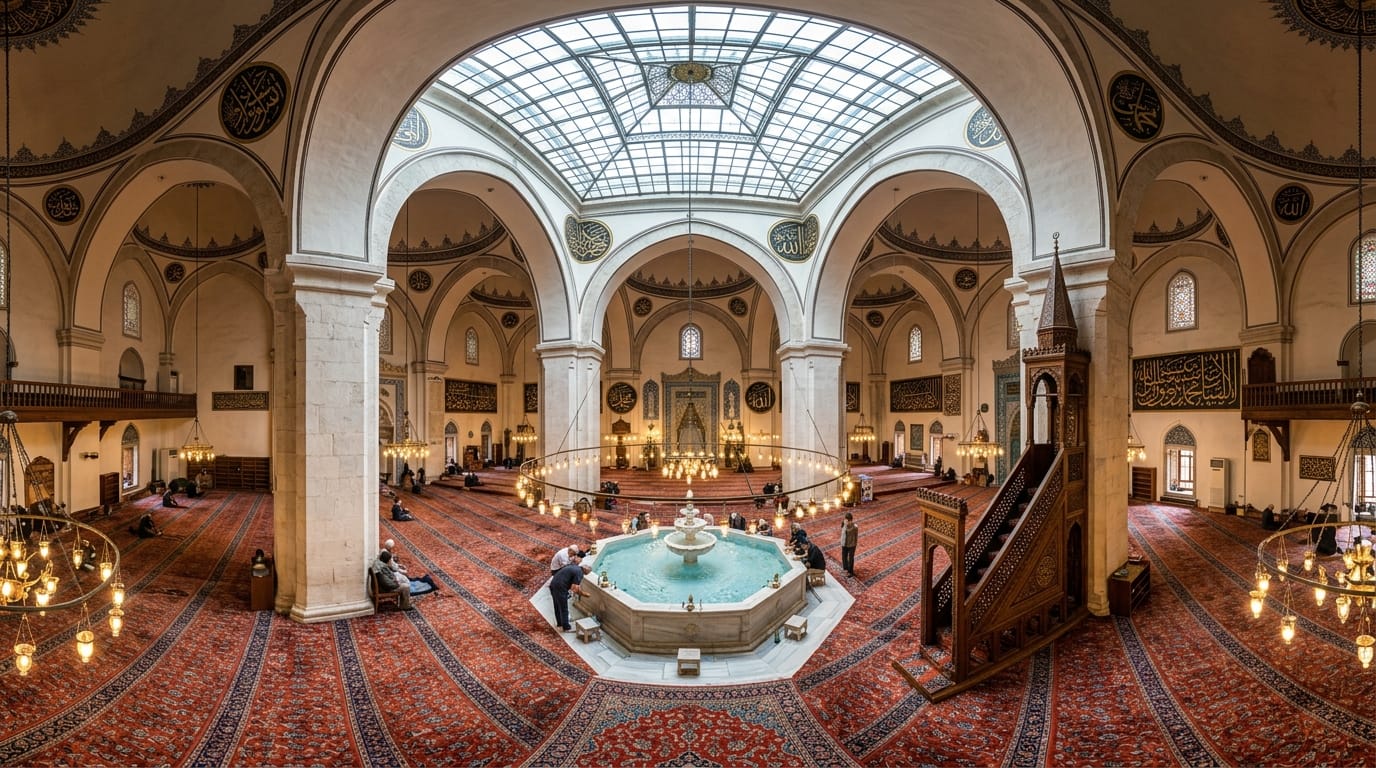
Inscribed on the UNESCO World Heritage list in 2014 under 'Bursa and Cumalıkızık: The Birth of the Ottoman Empire', this urban ensemble illustrates the birth of an imperial capital. Each Ottoman Sultan established a 'Külliye' (socio-religious complex) centered on a mosque with surrounding madrasas, soup kitchens, hospitals, baths, and royal tombs on distinct hills of the city, spurring organic urban development. Here is your definitive guide to exploring these monumental masterworks:
1. Orhan Gazi Complex & Ancient Caravanserais (1339)
The first civic complex founded outside the fortress walls by Sultan Orhan Gazi, initiating the iconic T-plan (Zâviyeli) mosque architecture and establishing Bursa as a premier global silk trading center.
2. Hüdavendigar Complex in Çekirge (1385)
Commissioned by Sultan Murad I, this unique two-story complex integrates a mosque on the ground floor with a 16-cell theological college (madrasa) on the upper floor under a single monolithic stone roof.
3. Yıldırım Complex (1399)
Constructed atop an eastern bluff by Sultan Bayezid I 'The Thunderbolt', featuring the empire's first state hospital (Darüşşifa) and the first standalone sultan mausoleum.
4. The Green Complex (Yeşil Külliye - 1419)
Commissioned by Sultan Mehmed I to commemorate imperial reunification, showcasing the zenith of early Ottoman tile mastery with iridescent turquoise, emerald, and cobalt Iznik ceramics.
5. Muradiye Complex (1426)
The last imperial complex in Bursa, known as the 'Cradle of Sultans'. Set in tranquil gardens shaded by giant plane trees, it houses 12 royal tombs including Sultan Murad II, Prince Mustafa, and Prince Cem.
6. Cumalıkızık Historic Village
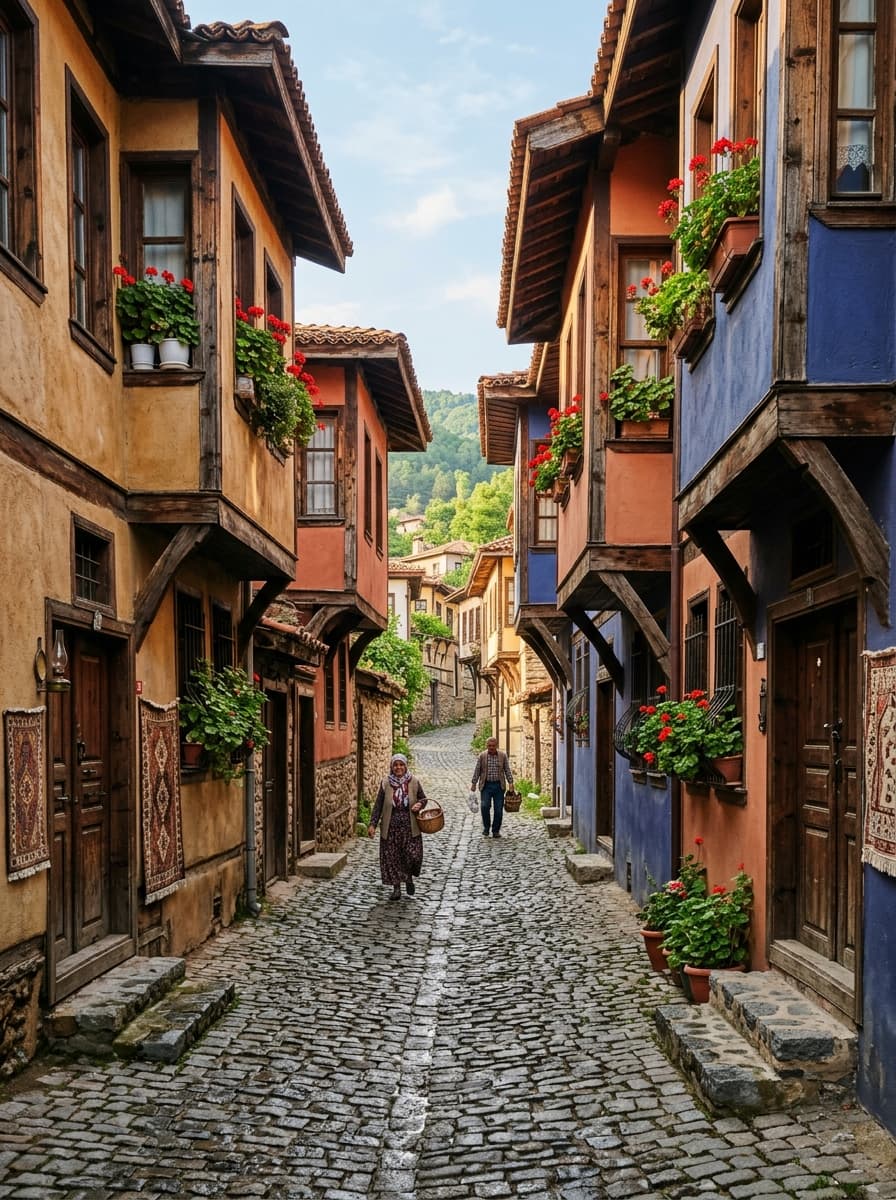
A living 700-year-old Ottoman rural foundation village with cobblestone lanes, timber houses painted in saffron and indigo, and pristine agricultural traditions.