Green Mosque and Green Tomb: The Peak of Tiles, Çelebi Mehmed and Visiting Guide
Green Complex, built by Çelebi Mehmed between 1419 and 1424, is the tiled victory monument of the rebirth of the Ottoman Empire from the Interregnum. Green Tomb, decorated with unique turquoise and dark blue underglaze tiles made by masters from Tabriz, is the global symbol of Bursa.
Green Mosque and Green Tomb: The Peak of Tiles, Çelebi Mehmed and Visiting Guide
Green Mosque and Green Tomb: The Peak of Tiles, Çelebi Mehmed and Visiting Guide 360° Virtual Tour & Earth 3D Station
Satellite 3D telemetry, WebGL interactive globe, and 360° street panoramas are available. Fly in 3D orbit or tour inside step by step.
Insider Tip
"Take a closer look at the Çelebi Mehmed sarcophagus and the tiled altar in the interior of the Green Tomb; Yellow and cobalt blue color transitions were used so intensely only in this complex in the Ottoman Empire."
The History and Resurrection Manifesto of the Green Complex
The 5th sultan Çelebi Mehmed, who put an end to the 11-year Interregnum that the Ottoman Empire entered after the 1402 Ankara War and brought the state to the brink of collapse, literally rebuilt the state from its ashes. The Green Mosque and Tomb, which was ordered to the Architect Hacı İvaz Pasha as a declaration to the world of this great resurrection, was completed between 1419-1424.
Green Social Complex; It is a flawless masterpiece of city planning consisting of a mosque, tomb, madrasah (now the Turkish Islamic Arts Museum), soup kitchen and bath. Nakkaş Ali bin İlyas Ali and ceramic masters from Tabriz (Ustad-ı Kâşiteraş), who decorated the building, brought the art of tiles with unique color and composition to the top with this temple.
Architectural Masterpieces: Tile Art and Stone Carving
1. The Unique Architecture of the Green Mosque and the Hünkar Mahfili
The Green Mosque is the most noble example of the Reverse T Plan or Zaviye Mosque type in Ottoman architecture. The pure Marmara marble workmanship on the exterior, the muqarnas cornices on the windows and the relief Quran verses reflect a unique stone elegance.
- Tiled Sultan's Mahfil: The mahfil where the sultan prays on the upper floor of the mosque is covered with pure gold gilded and embossed turquoise tiles from ceiling to walls.
- Inner Fountain and Marble Pool: The inner pool with a fountain carved from a single piece of marble under the main dome adds the melody of water to the otherworldly silence inside the mosque.
- Wooden Door Wings:The double-winged walnut door at the entrance contains the rarest wood carving of the kundekari art.
2. Green Tomb: Bursa's Deep Blue Peak
Rising on the hill just opposite the mosque, the Green Tomb is like a crown that can be seen from all over Bursa with its octagonal prism body and dome. The exterior of the tomb is covered with eye-catching turquoise-turquoise tiles that were renewed after the 1855 earthquake.
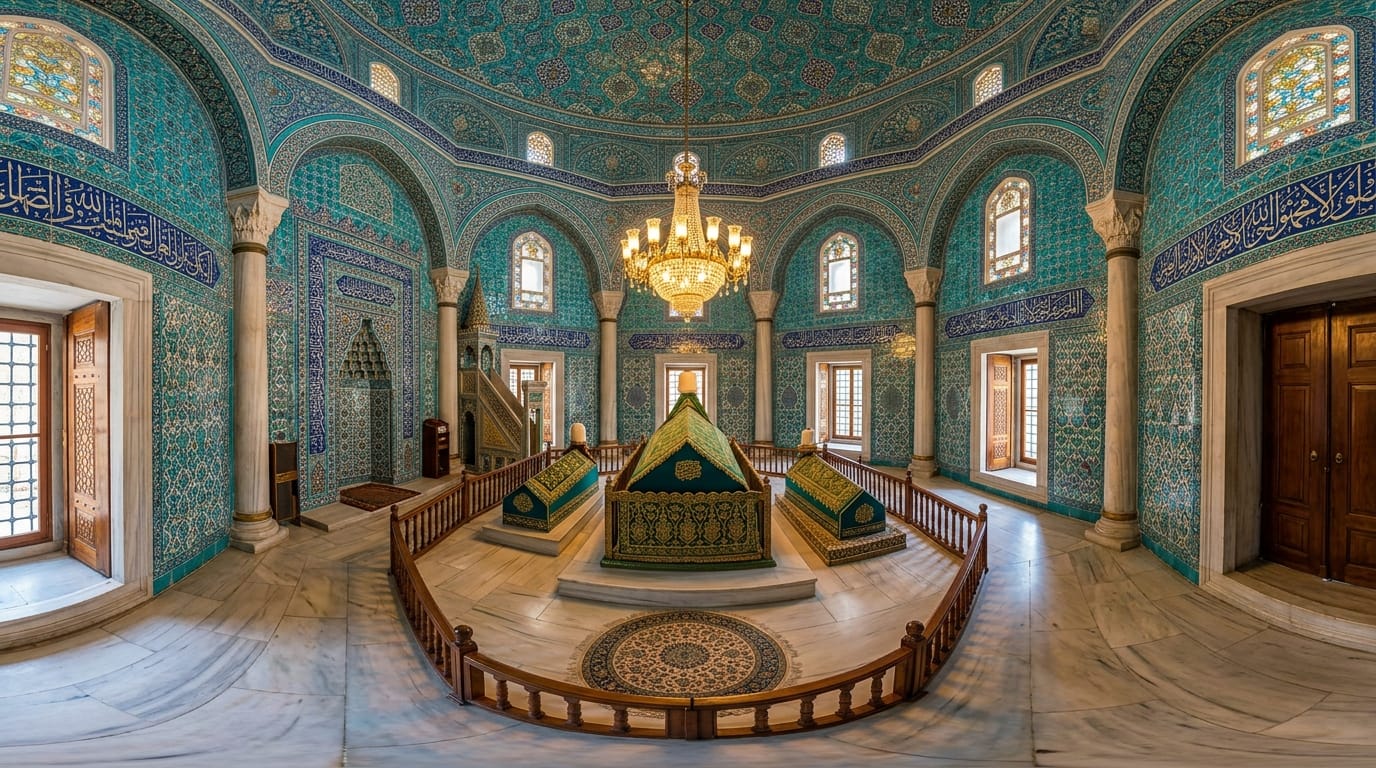
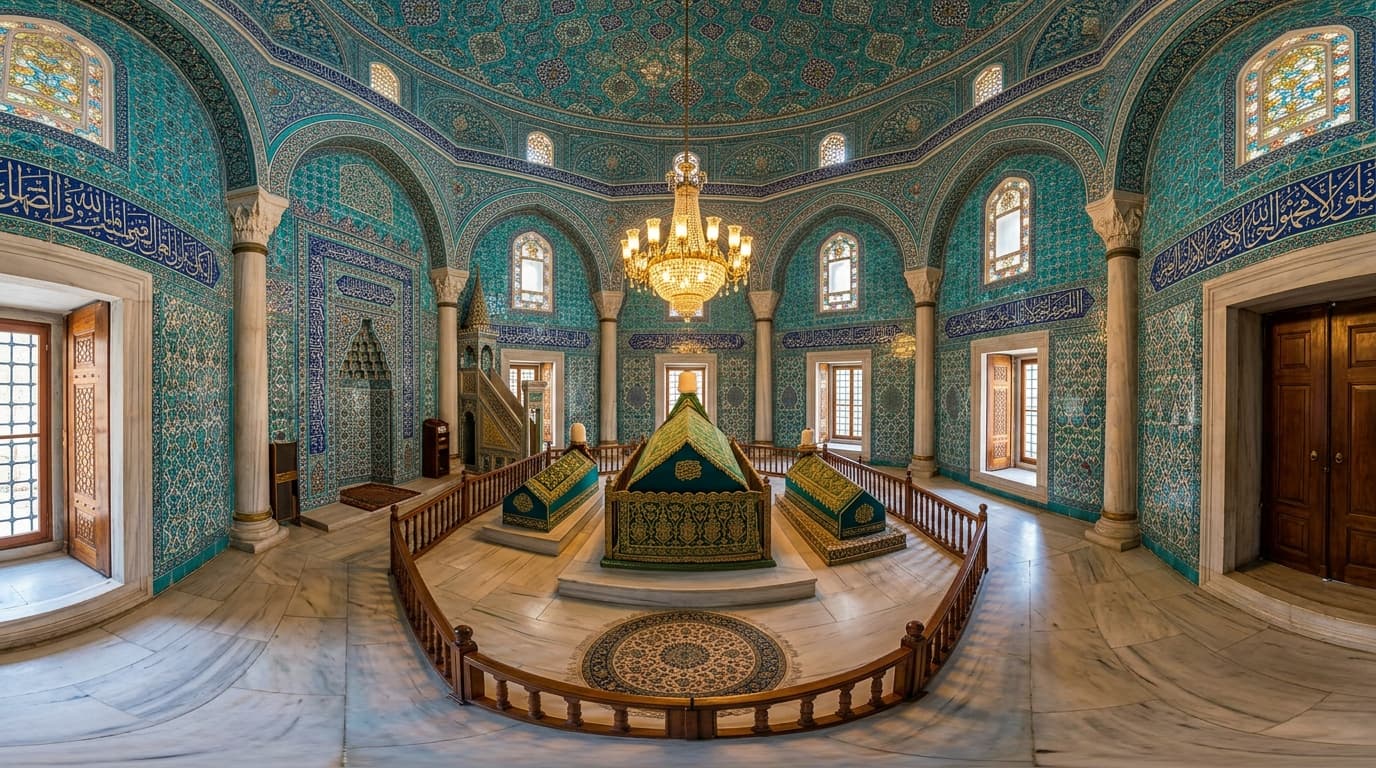
When you step into the tomb, a monumental atmosphere surrounded by original underglaze tiles of the 15th century welcomes you. Çelebi Mehmed's magnificent tiled sarcophagus is decorated with yellow, dark blue and white flower motifs and is arguably the richest example of Ottoman sarcophagus art. Its mihrab is a marvel of art with its rich muqarnas and tile reliefs.
Where and How to Get to the Green Social Complex?
The Social Complex is located within the borders of Yıldırım's Green District, one of the central districts of Bursa.
- By walking: You can reach the social complex by crossing the Setbaşı Bridge from the city center Sculpture Square and walking along Yeşil Street for just 10-12 minutes.
- By Public Transportation: You can take buses numbered 3/i, 35/C, 36/A and 99 or Green minibuses from Heykel or Şehreküstü towards Yıldırım and get off directly at the social complex square.
- Parking: There are municipal paid open parking areas around the Green Square.
Local Tips for Visitors
- Sunlight and Colors: It is recommended that you visit the tomb at noon (between 11:00 - 14:00) to see the rich tones of the tiles and the glitter of gold gilding.
- Turkish Islamic Arts Museum: Be sure to visit the Green Madrasa, built in 1424, right below the mosque; Inside, handwritten Qurans, edicts and swords from the Seljuk and Ottoman periods are exhibited.
- Çınaraltı Cafes: You can sit under the historical plane trees in the Social Complex square, watch the Bursa Plain while drinking tea, and buy the famous souvenir Iznik tiles.

Photo Gallery
Frequently Asked Questions (FAQ)
What are the visiting hours and admission policies for Green Mosque and Green Tomb: The Peak of Tiles, Çelebi Mehmed and Visiting Guide?
Most public sites in Yıldırım are accessible year-round. Standard admission is typically free or requires a nominal municipal fee. Morning hours (09:00 - 11:30) offer the calmest experience.
How do I reach Green Mosque and Green Tomb: The Peak of Tiles, Çelebi Mehmed and Visiting Guide via Bursa public transportation?
Easily accessible using the BursaRay metro line or municipal Burulaş buses running towards Yıldırım. Taxis and local minibuses also connect directly from city hubs.
Is parking available for private vehicles near Green Mosque and Green Tomb: The Peak of Tiles, Çelebi Mehmed and Visiting Guide?
Yes, designated BURBAK street parking bays or nearby municipal multi-story parking garages are available within a short 3-5 minute walk.
Are there specific dress codes or etiquette rules for visitors?
For sacred monuments and mosques, modest attire covering knees and shoulders is required, and complimentary headscarves are provided at entrances. For outdoor natural areas, casual walking gear is ideal.
Is Green Mosque and Green Tomb: The Peak of Tiles, Çelebi Mehmed and Visiting Guide wheelchair and stroller accessible?
Main entryways feature accessibility ramps, flat stone courtyards, and step-free transit corridors suitable for wheelchair users and baby strollers.
Is photography and videography permitted inside?
Non-flash amateur photography is permitted throughout. Commercial shoots or using tripods in crowded worship spaces may require administrative permission.
Are audio guides or English informational signage available?
Yes, official QR-code plaques provide multilingual historical narrations in English directly on your smartphone.
Are restrooms, baby care rooms, and ablution facilities on-site?
Well-maintained public restrooms, accessible facilities, and clean washrooms are located directly on the grounds or in adjacent courtyards.
Where can I find dining options or authentic local tastes nearby?
Located within Yıldırım, traditional local eateries, tea gardens, and authentic restaurants serving Bursa specialties are situated within walking distance.
How much time should I plan for visiting Green Mosque and Green Tomb: The Peak of Tiles, Çelebi Mehmed and Visiting Guide?
A thorough visit to absorb the architecture, history, and photography viewpoints generally takes between 40 minutes and 1.5 hours.
Visitor Information
Explore Yıldırım & Surroundings
Gastronomy, district guides, and latest regional highlights in Yıldırım.
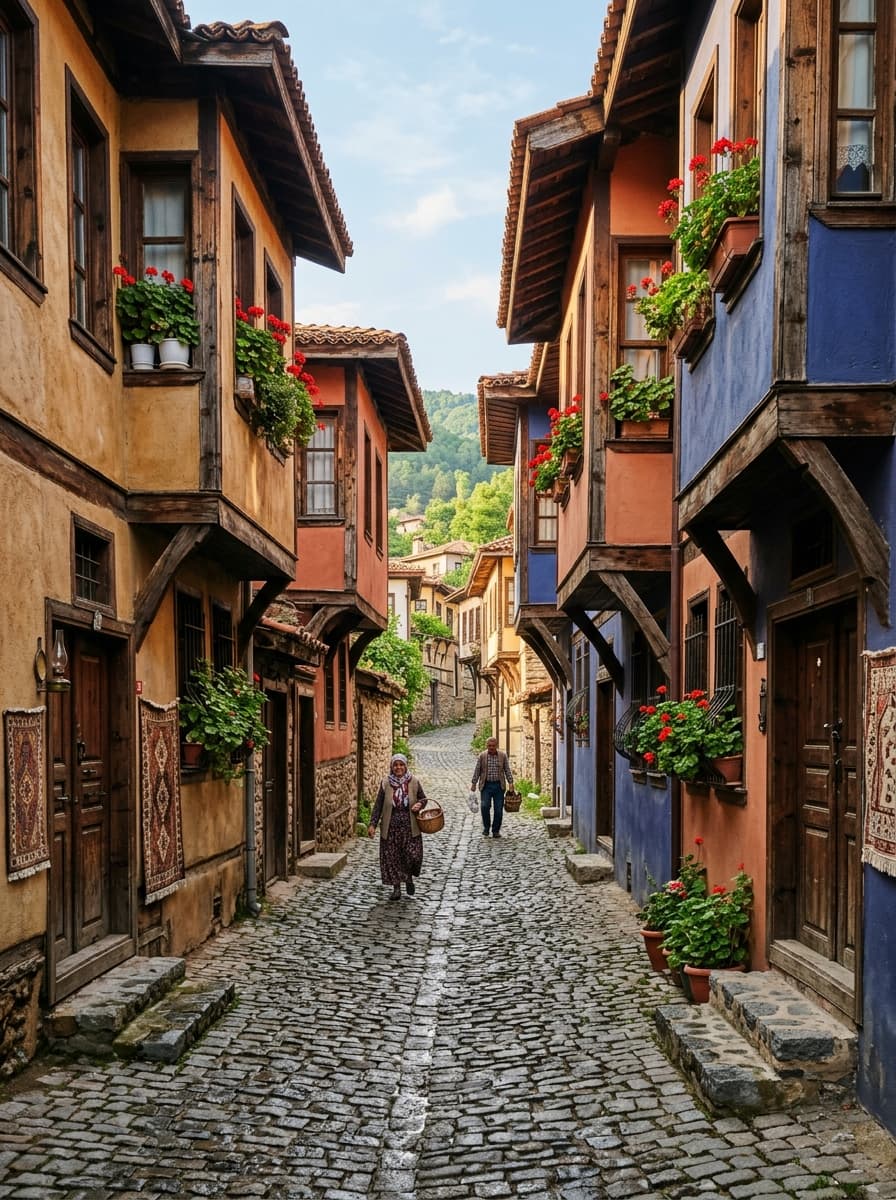
Yıldırım Travel Guide: From the Green Complex to 700-Year-Old Cumalıkızık
Historic guide to Yıldırım: Green Mosque, Green Tomb, Emir Sultan shrine, Irgandı artisan bridge, and UNESCO village Cumalıkızık.
Registered Gastronomy in Yıldırım
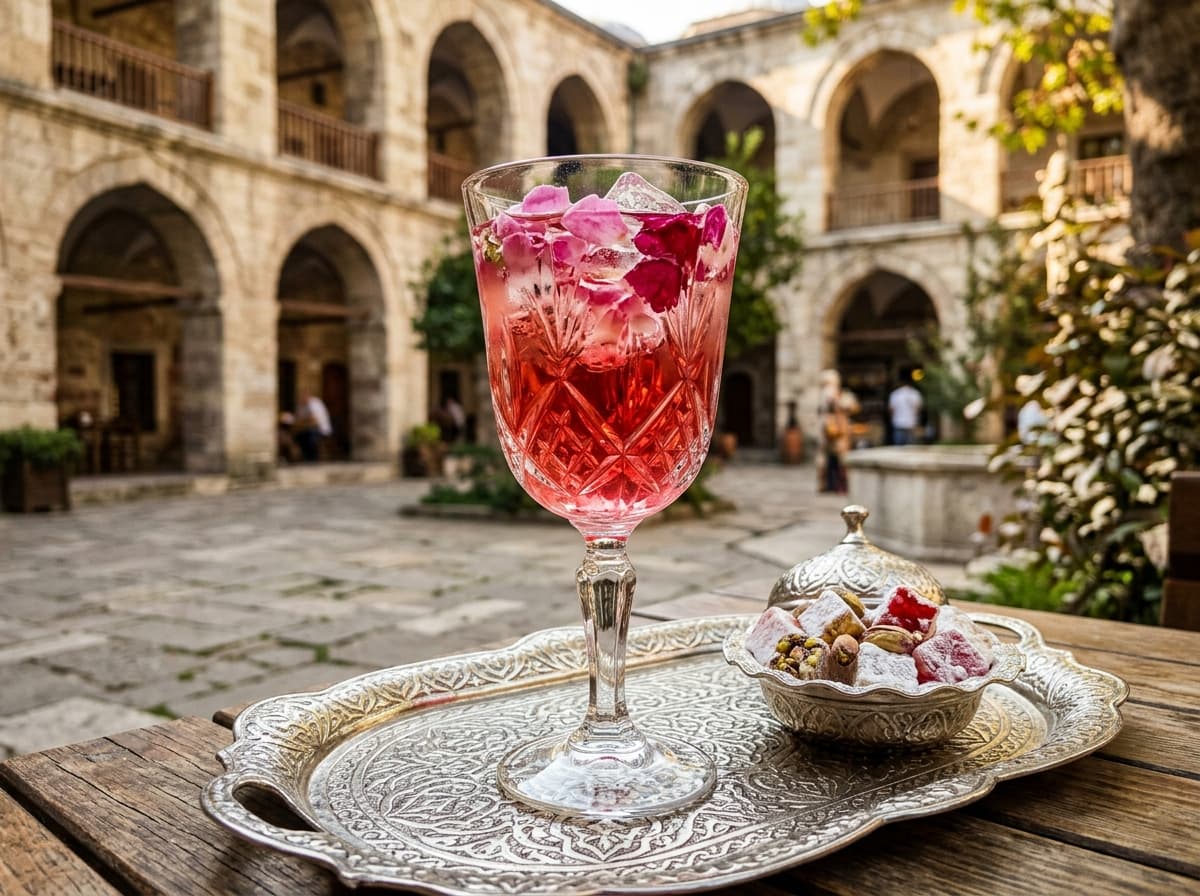
Ottoman Rose & Wild Poppy Cordial
Cumalıkızık UNESCO village mansions, Koza Han courtyard, Darüzziyafe
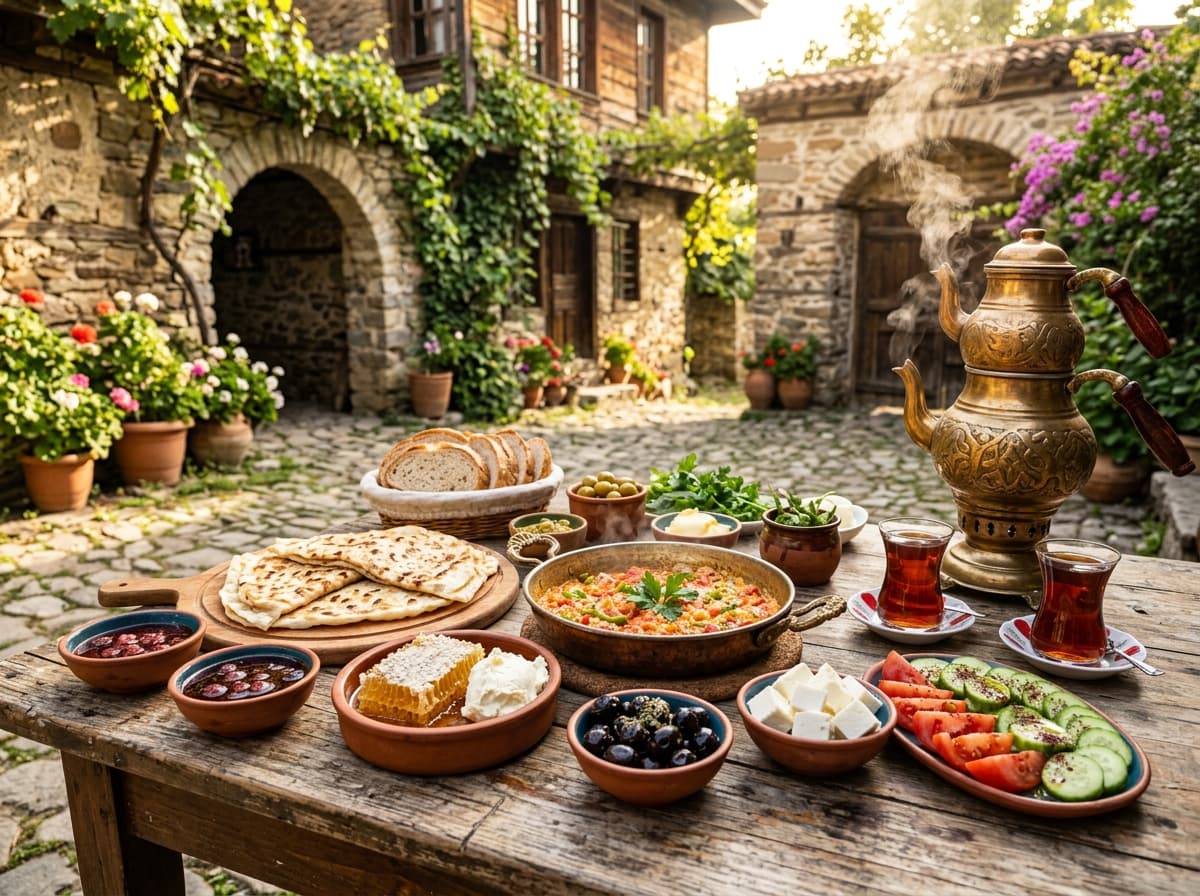
Cumalıkızık UNESCO Village Breakfast
Historic courtyard mansions in Cumalıkızık (Taşev, Bulanlar, Mavi Yıldız)
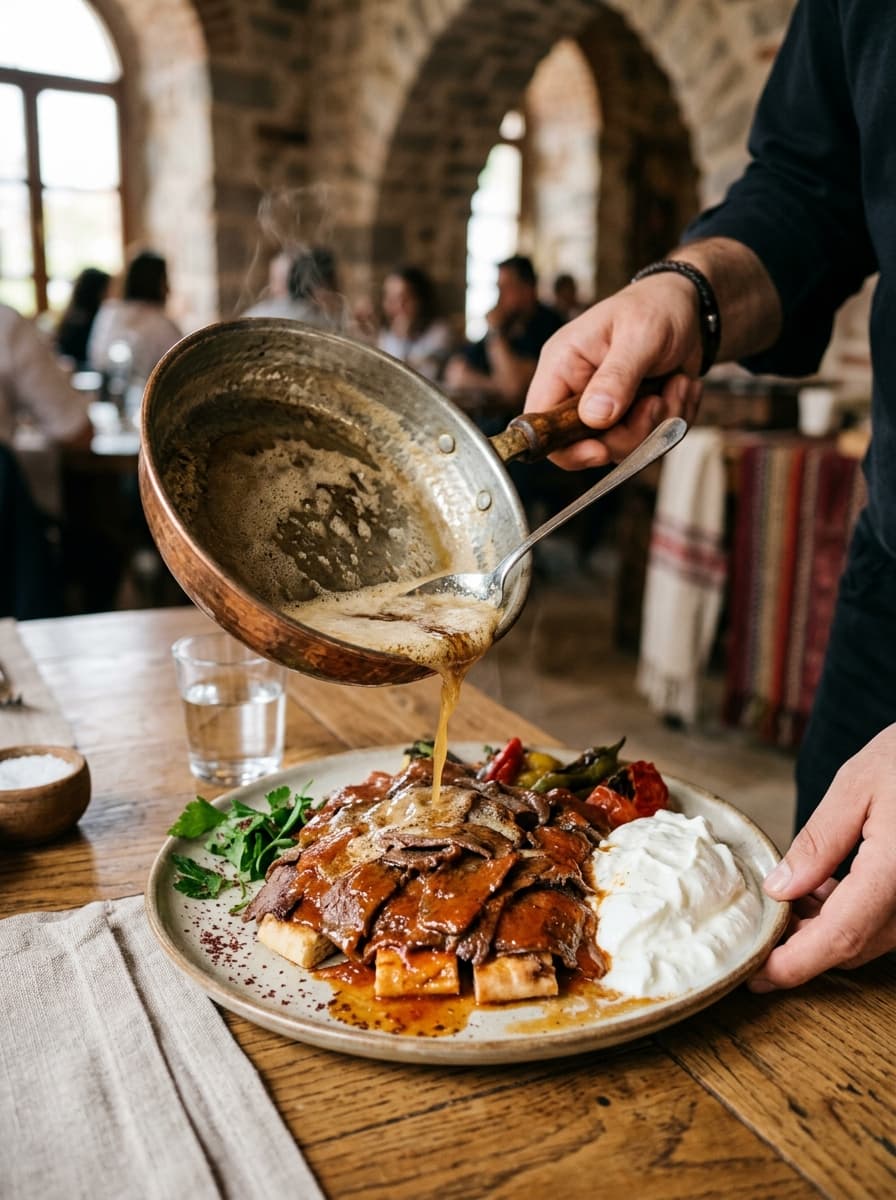
Authentic Bursa Iskender Kebab
Kebapçı İskender (Historic Blue Shop, Heykel), Kebapçı Hüseyin (Alacahırka), Kebapçı İsmail (Kayhan)
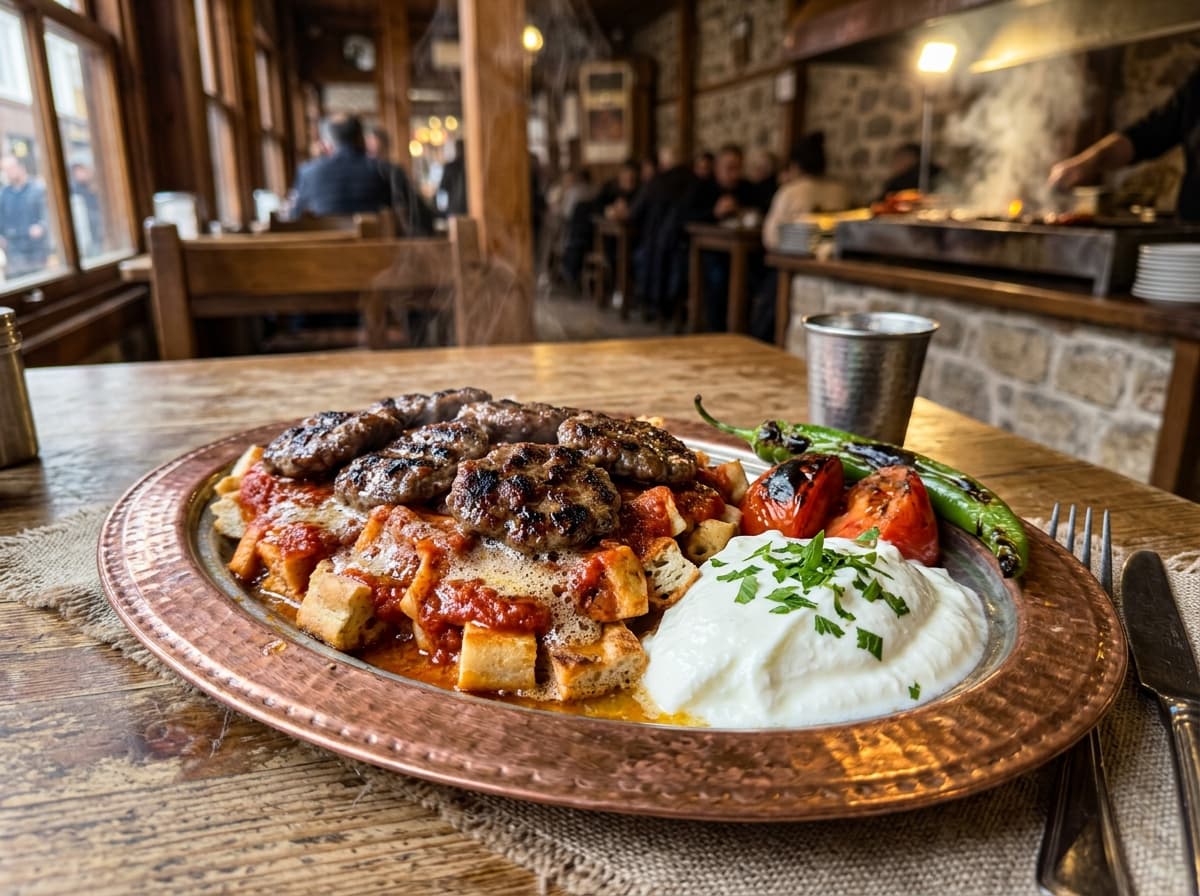
Bursa Meatballs on Flatbread (Pideli Köfte)
Historic Kayhan Bazaar (Hacı Bey, Köfteci Yeşil, İdris)
Visitor Information


Nearby Attractions
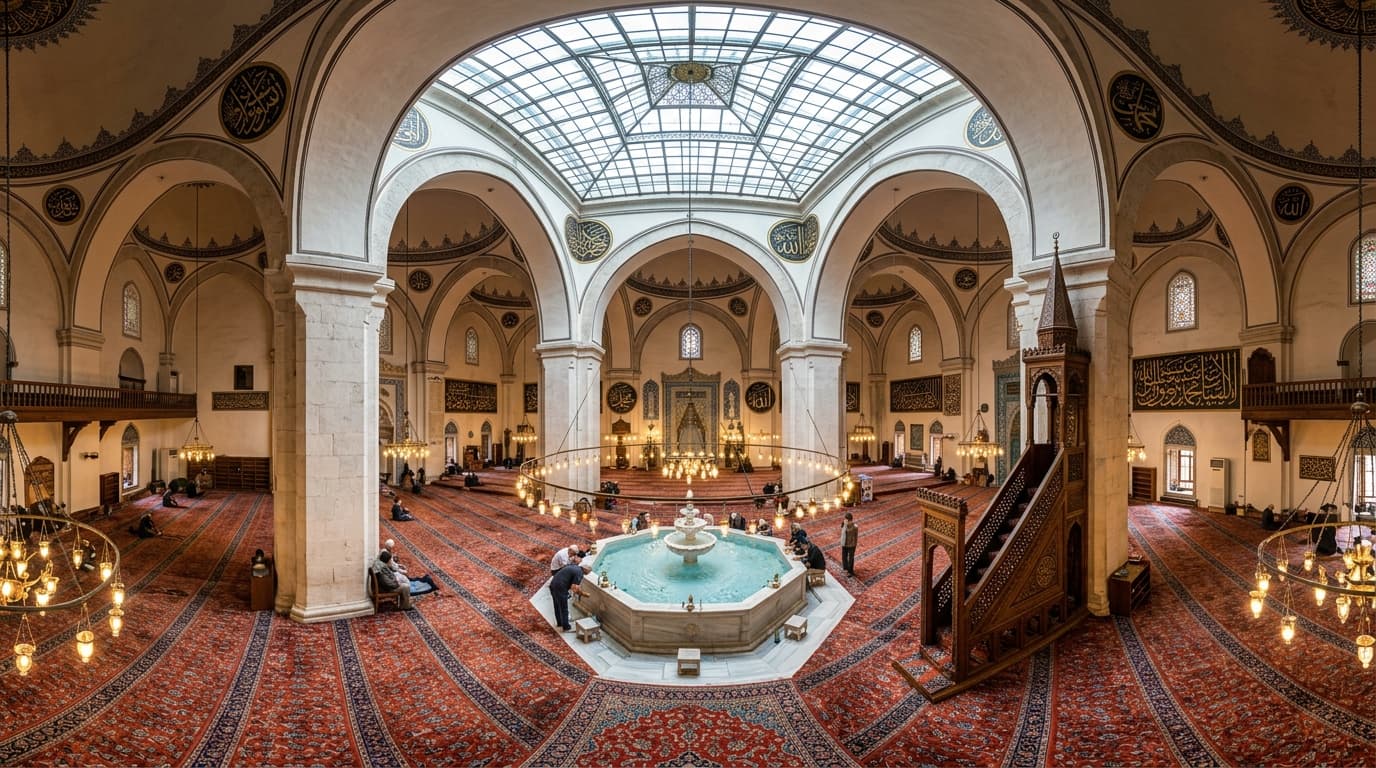
Bursa Ulu Mosque: History, Secrets of Kuldukari Pulpit and Visiting Guide
Bursa Ulu Mosque, built by Yıldırım Bayezid in 1399, is the pinnacle of the monumental multi-legged mosque plan with 20 domes. It is considered a living open-air museum of Islamic art with its 16-cornered marble fountain with a glass ceiling in its interior, a nailless kundekari pulpit of 6,666 pieces and 192 giant calligraphy plates.
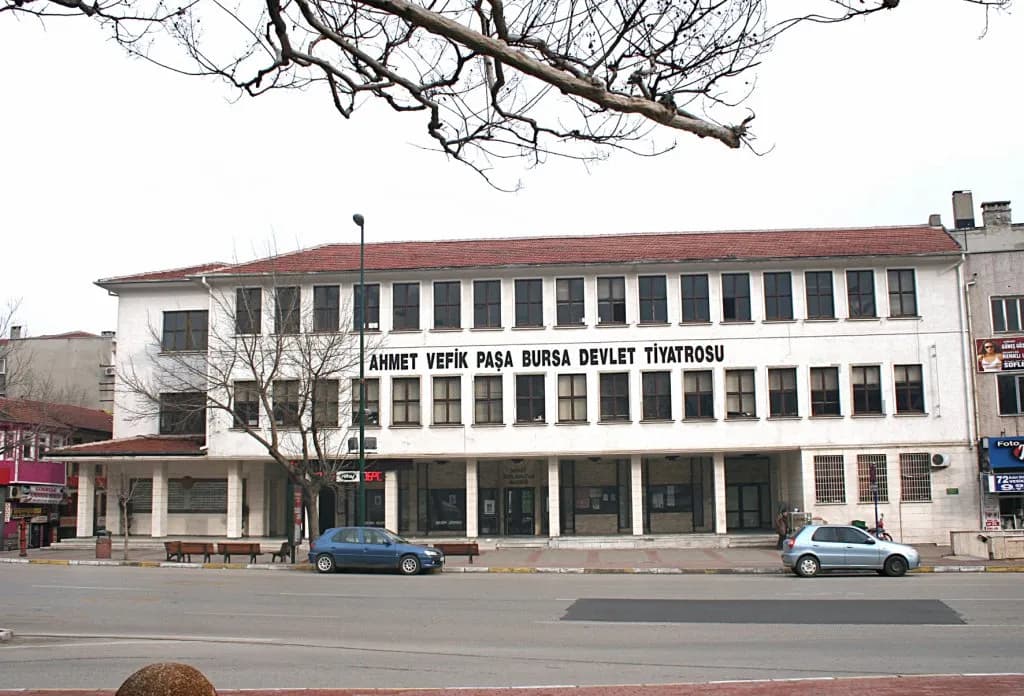
Ahmet Vefik Paşa Bursa Devlet Tiyatrosu (Heykel)
Ahmet Vefik Paşa Bursa Devlet Tiyatrosu (Heykel) is a distinguished culture centers & theatres landmark situated in the Osmangazi district of Bursa, renowned for its heritage and authentic atmosphere.
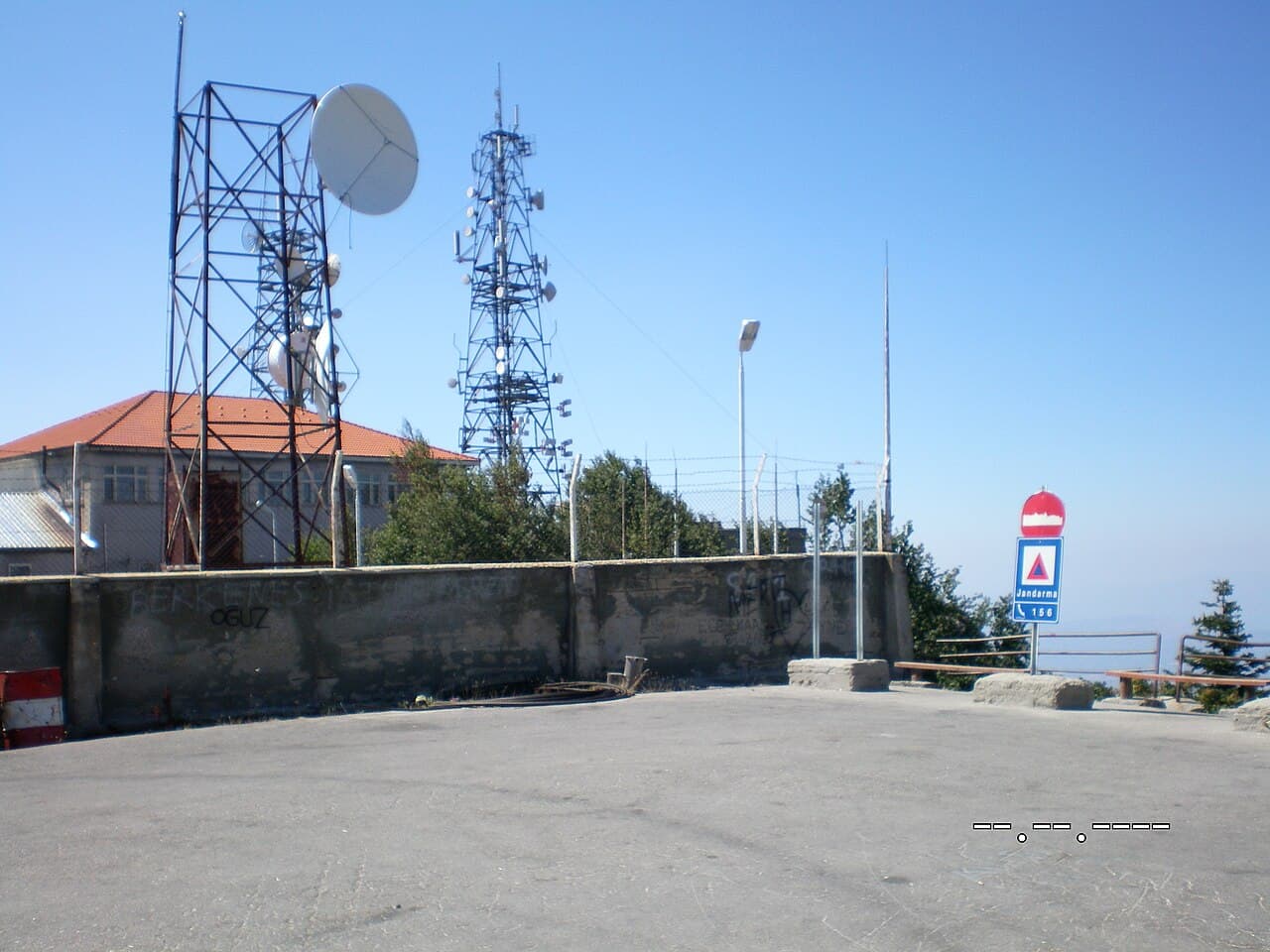
Bakacak Seyir Terası (Uludağ Zirve Yolu)
Bakacak Seyir Terası (Uludağ Zirve Yolu) is a distinguished nature wonders, waterfalls & canyons landmark situated in the Osmangazi district of Bursa, renowned for its heritage and authentic atmosphere.