
Muradiye Complex: Ottoman Pantheon, 12 Imperial Tombs & Visitor Guide
1. Essential Facts and Quick Visit Snapshot
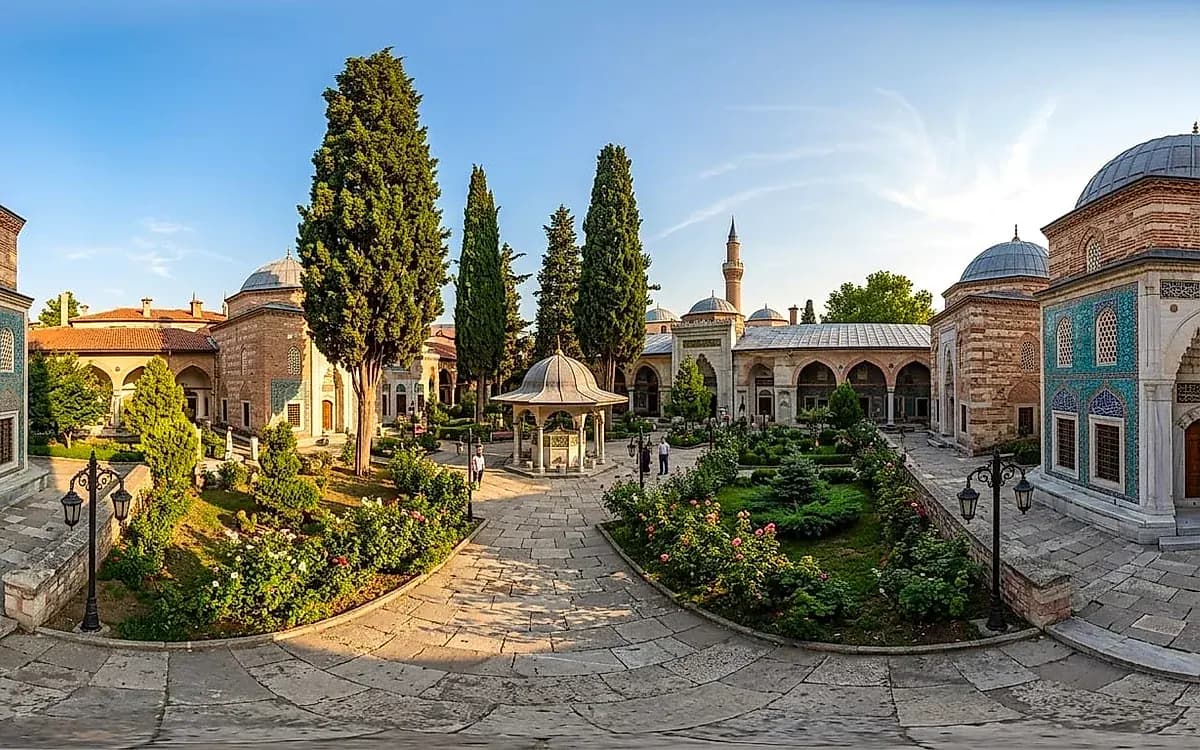
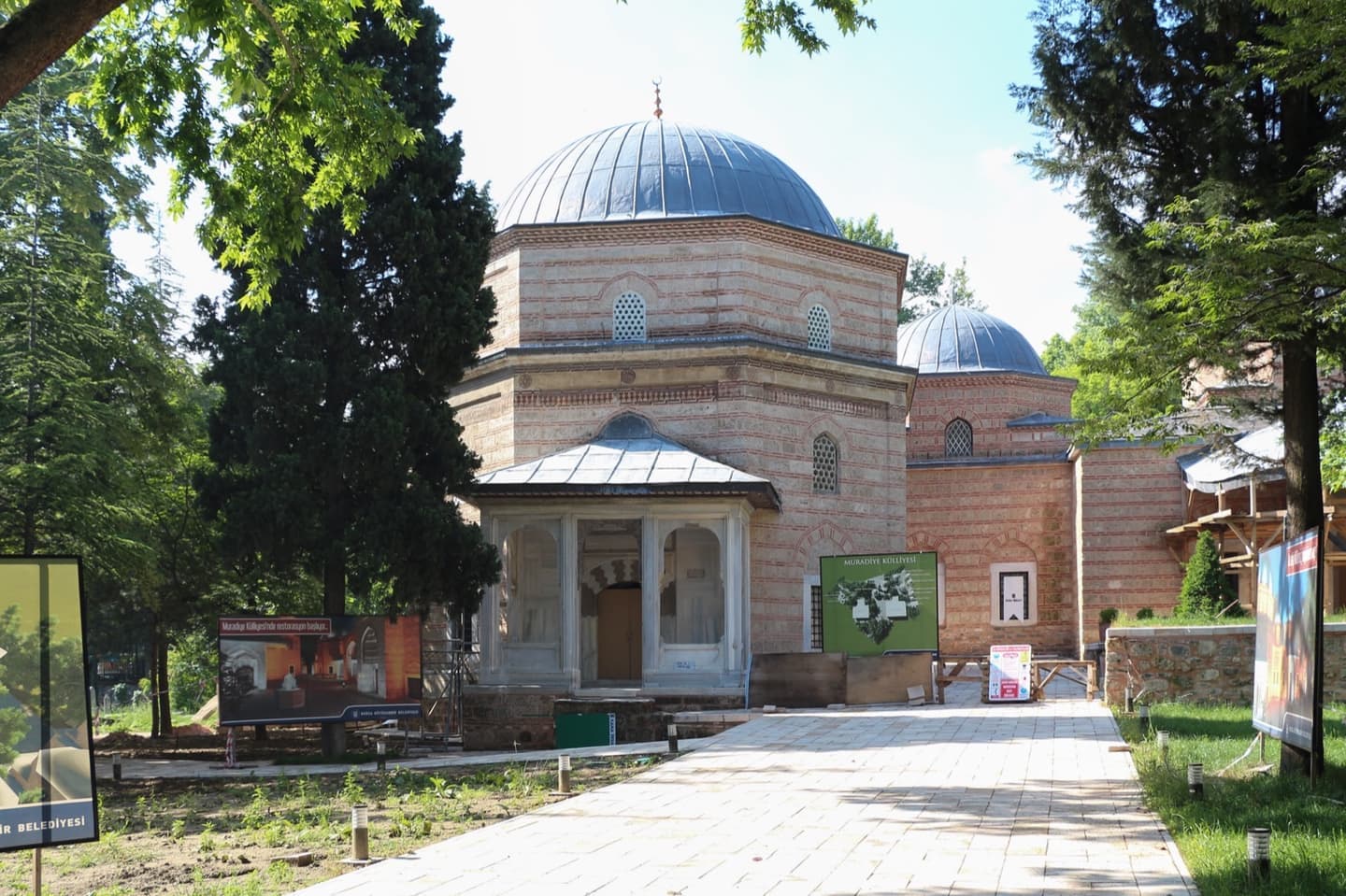
The Muradiye Complex (Muradiye Külliyesi), founded in 1425–1426 by Ottoman Sultan Murad II, is the final imperial complex established in Bursa and the most expansive dynastic burial ground of the Ottoman Empire, widely recognized as the "Ottoman Pantheon." Nestled within a tranquil walled rose garden beneath ancient plane trees and soaring cypresses in Osmangazi, the complex comprises the imperial mosque, madrasa (now the Museum of Quran and Manuscripts), public baths, and 12 monumental royal mausoleums. In 2014, it was inscribed as a core cultural asset of the UNESCO World Heritage Site "Bursa and Cumalıkızık: The Birth of the Ottoman Empire."
| Feature | Detail |
|---|---|
| Founding Date | 1425–1426 (829–830 AH) |
| Founder | Sultan Murad II (The last sultan buried in Bursa) |
| Number of Royal Tombs | 12 Monumental Dynastic Shrines |
| Key Shrines | Sultan Murad II, Şehzade Mustafa, Cem Sultan, Mahidevran Sultan, Hüma Hatun |
| Ceramic Highlights | 15th-Century Cuerda Seca & 16th-Century Peak Iznik Polychrome Tiles |
| Visiting Hours | Summer: 08:30–19:30 | Winter: 08:30–17:30 (Free Admission) |
2. Sultan Murad II's Testament: The Open Oculus Dome
Sultan Murad II, father of Mehmed the Conqueror, was celebrated for his deep dervish humility. In his last testament, he commanded: "Bury me directly in the soil. Place no raised sarcophagus over my grave, and leave the crown of my tomb open so that God's rain may fall upon my earth." Respecting his wish, the architect pierced the central dome with an open circular oculus, leaving a simple bed of earth exposed beneath the sky.
3. The Tomb of Şehzade Mustafa: Tragedy Immortalized in Iznik Tiles
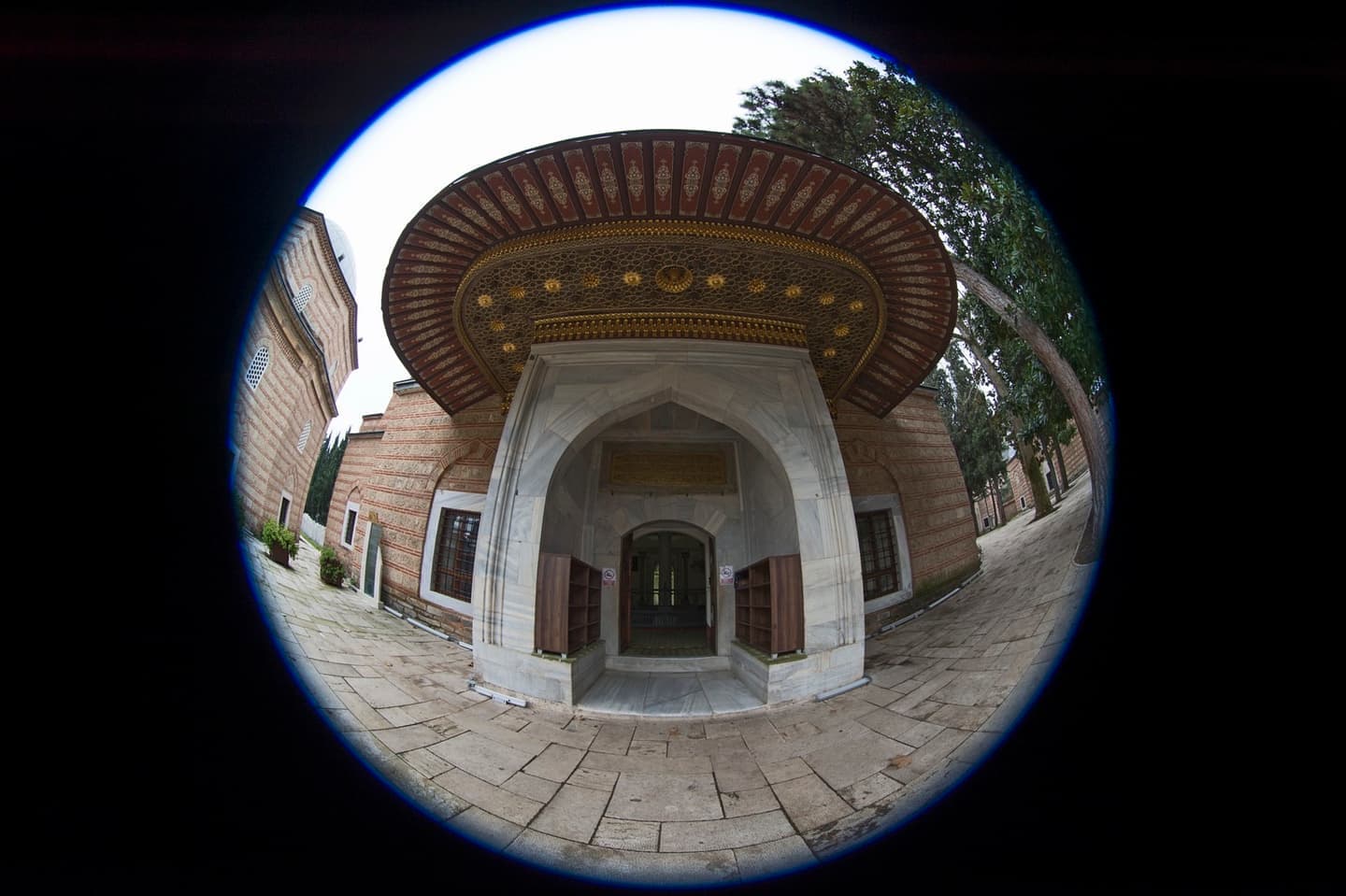
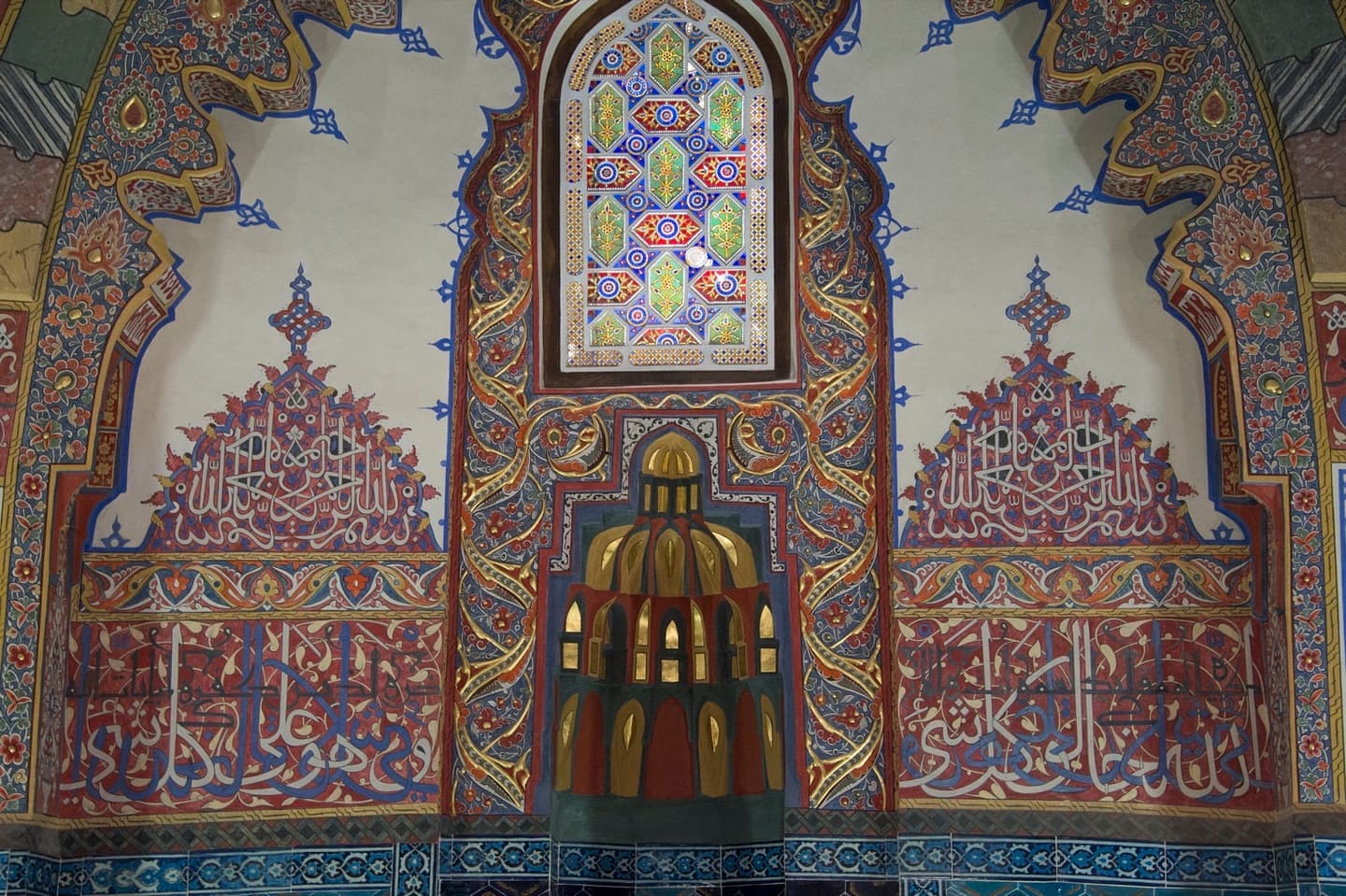
The emotional center of the garden is the mausoleum of Şehzade Mustafa, the ill-fated crown prince executed in 1553 during Suleiman the Magnificent's Persian campaign. Commissioned in 1573 by his grieving mother Mahidevran Sultan and executed under Chief Architect Sinan, its walls represent the absolute zenith of 16th-century Iznik underglaze tilework, displaying radiant coral reds, turquoise, cobalt blue, and calligraphic friezes.
4. The Tomb of Cem Sultan: Renaissance Stencilwork and Turquoise Tiles
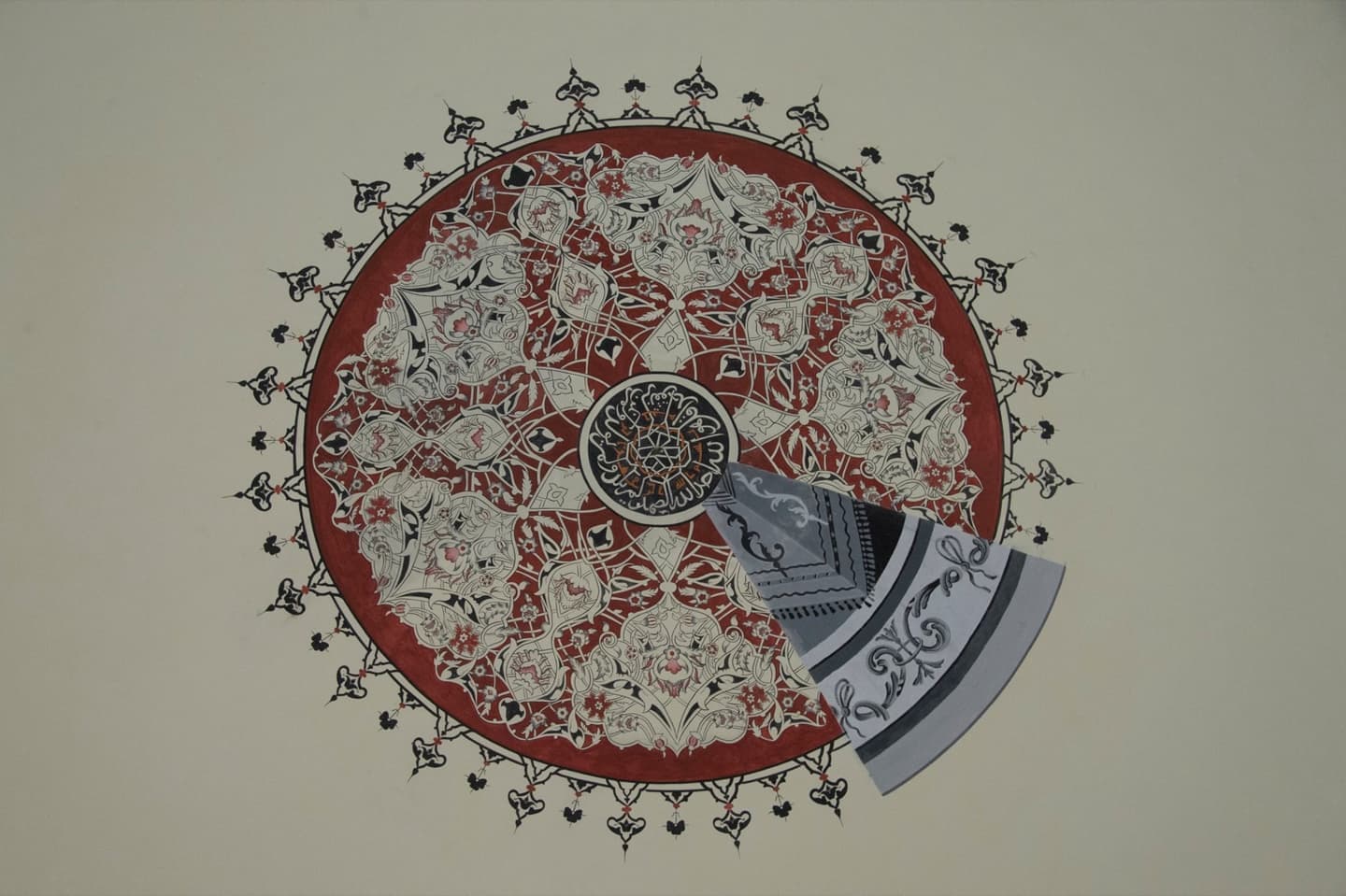
Originally built for Prince Mustafa, son of Mehmed II, this shrine became the final resting place of the exiled Cem Sultan when his body was returned from Italy in 1499. The interior is a breathtaking showcase of gold-leaf wall stencils, arabesques influenced by European Renaissance tastes, and hexagonal turquoise tiles.
5. Muradiye Madrasa: Museum of Quran and Manuscripts
The open-courtyard 15th-century madrasa facing the mosque now houses the Museum of Quran and Manuscripts, exhibiting illuminated Quranic folios, master calligraphers' diplomas, and imperial leather bindings dating from the 15th through 19th centuries.
6. Practical Visitor Tips, Access & Nearby Flavors
- Photography: Early morning light (09:00–11:00) illuminates the garden pathways and cypress silhouettes. Midday provides the best natural lighting for the interior Iznik tilework.
- Walking Route: Walk 12–15 minutes downhill from Tophane Park through the historic Hisar district straight to Muradiye.
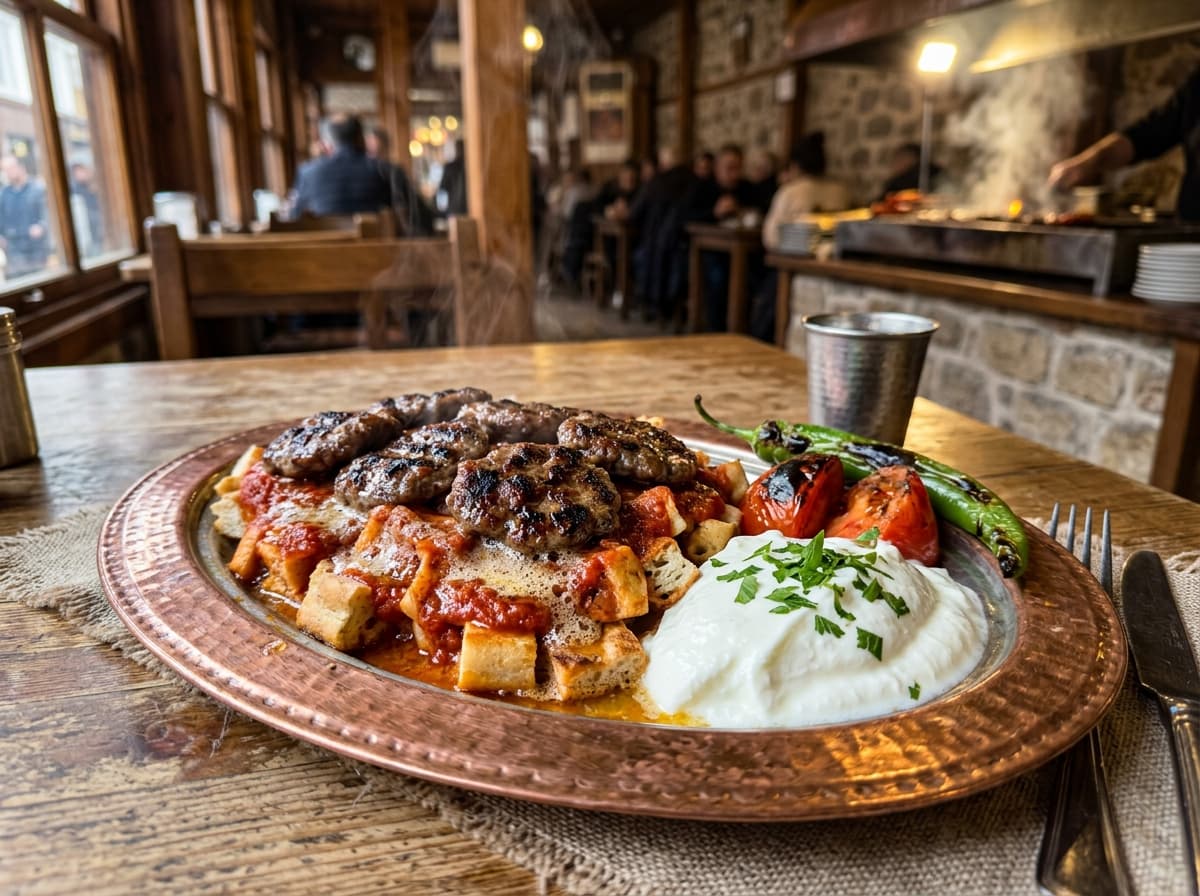
- Local Dining: Try fresh cantık pastries from local stone ovens, then walk toward Çakırhamam for authentic Bursa Pideli Köfte and delicious candied chestnuts (Kestane Şekeri).
Insider Tip
"16th century coral red Iznik tiles in the Tomb of Prince Mustafa and II. Be sure to carefully examine the ceiling of Murad Tomb, open to the sky, which is an example of humility."
Bursamız Local Guide Notes
Google E-E-A-T Verified Visitor Experience & Insights
Dr. Kemal Altın
Tarih & UNESCO Mirası Danışmanı • Tarih Danışmanı & Yazar
Osmanlı'nın ilk başkenti Bursa'nın sultan külliyeleri, hanlar bölgesi ve tarihi mahalleleri üzerine doktora tezine sahip akademisyen ve araştırmacı yazar.
This content has been prepared in compliance with Bursamız Editorial Standards, cross-verified with official city data.
Photo Gallery
Muradiye Complex: Ottoman Pantheon, 12 Imperial Tombs & Visitor Guide 360° Virtual Tour & Earth 3D Station
Satellite 3D telemetry, terrain topography, and 360° street panoramas are fully calibrated. Fly in 3D orbit or tour inside step by step.
Add to Your Route & Stamp in Culture Passport
Plan and optimize your Bursa trip on the interactive map; check in on-site via GPS to collect digital stamps and earn the official Bursa City Ambassador award.
Frequently Asked Questions (FAQ)
Is there an admission fee for the Muradiye Complex?
No, entrance to the gardens, all 12 royal tombs, and the Museum of Quran and Manuscripts is completely free.
What are the visiting hours?
The complex is open daily from 08:30 to 19:30 in summer, and 08:30 to 17:30 in winter.
Why does Sultan Murad II's tomb have an open dome?
By his explicit testamentary wish, an open oculus was left in the dome so natural rainwater could fall directly onto his unadorned earth grave.
Where is Prince (Şehzade) Mustafa buried?
He is buried in Muradiye Complex in a dedicated mausoleum built by his mother Mahidevran Sultan in 1573.
What is special about the tiles in Şehzade Mustafa's tomb?
They represent the highest peak of 16th-century classical Iznik ceramic art, featuring radiant coral red glazes and intricate floral motifs.
Who was Cem Sultan and why is he buried here?
Cem Sultan was the son of Mehmed the Conqueror who lived in exile in Europe; his remains were repatriated from Italy in 1499 and laid to rest in this gilded tomb.
How many tombs are located in the Muradiye Complex?
There are twelve standalone royal mausoleums in the garden, housing Ottoman sultans, princes, consorts, and royal mothers.
Why is Muradiye called the 'Ottoman Pantheon'?
Historians gave it this title because it contains the dense burial ground of multiple generations of early Ottoman royal figures.
What is housed in the Muradiye Madrasa today?
It operates as the Bursa Museum of Quran and Manuscripts, showcasing historic calligraphy and illuminated religious texts.
Is the complex wheelchair accessible?
Yes, the stone-paved garden paths are flat and accessible for wheelchairs and strollers.
How can I reach Muradiye by public transport?
Take municipal buses B/38, B/40, or 1/A from central Heykel or Kent Meydanı directly to Muradiye stop.
How far is Muradiye from Tophane Park?
It is approximately 1.2 km away, an enjoyable 12-to-15-minute downhill walk through the ancient citadel quarter.
Is photography allowed inside the tombs?
Yes, non-flash photography without tripods is permitted inside the tombs and throughout the garden.
Who else of historical note is buried here?
Hüma Hatun (mother of Mehmed the Conqueror) and Mahidevran Sultan (consort of Suleiman the Magnificent).
What local foods are recommended in Muradiye?
Sample warm walnut bread (lokum) and cantık from neighborhood bakeries, or enjoy Pideli Köfte nearby.
Visitor Information
Explore Osmangazi & Surroundings
Gastronomy, district guides, and latest regional highlights in Osmangazi.
Osmangazi Travel Guide: The Heart of History, Inns and Sultan Complexes
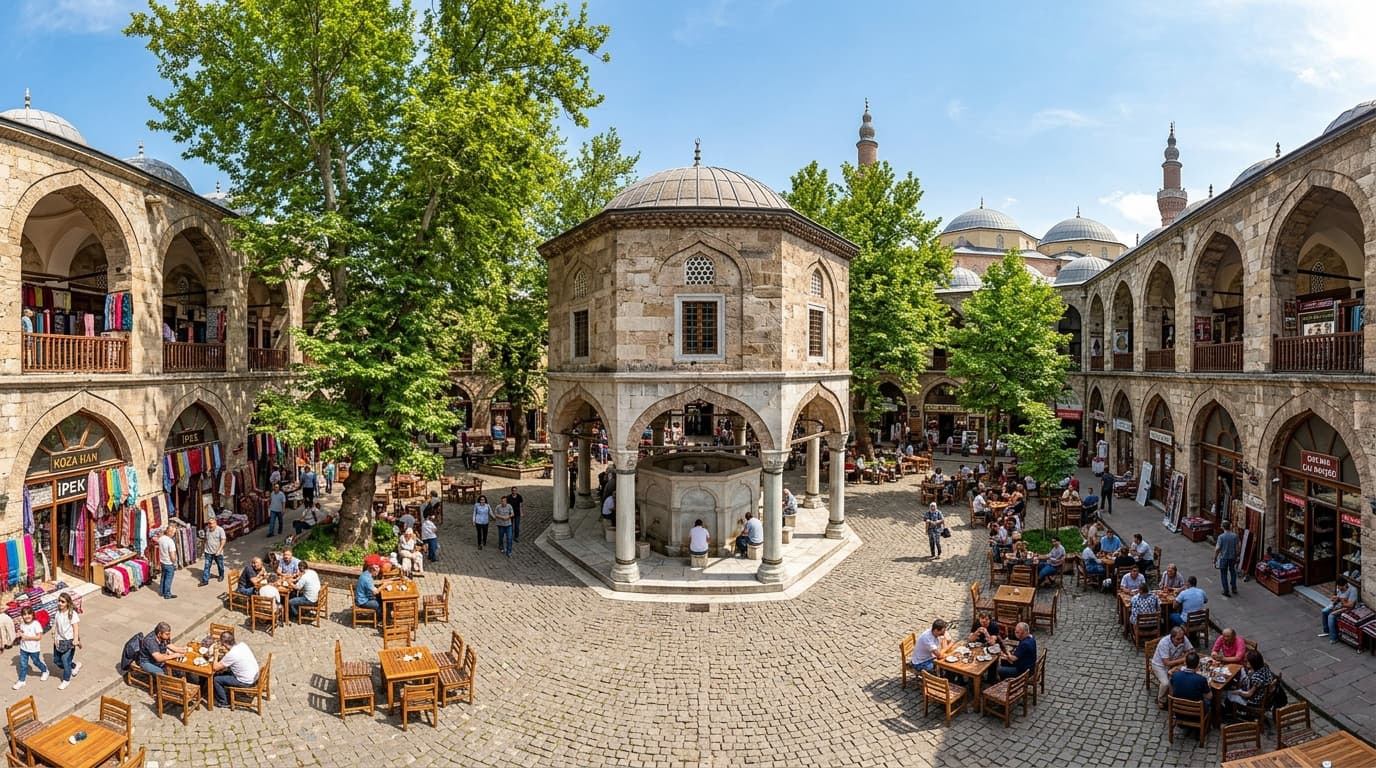
Discover Osmangazi, the historical backbone of Bursa, the first capital of the Ottoman Empire, step by step: A complete travel guide from the Ulu Mosque to the Khans District, from the slopes of Tophane to the Muradiye Social Complex.
Thematic Travel Routes Featuring This Place
Registered Gastronomy in Osmangazi
Authentic Bursa Iskender Kebab
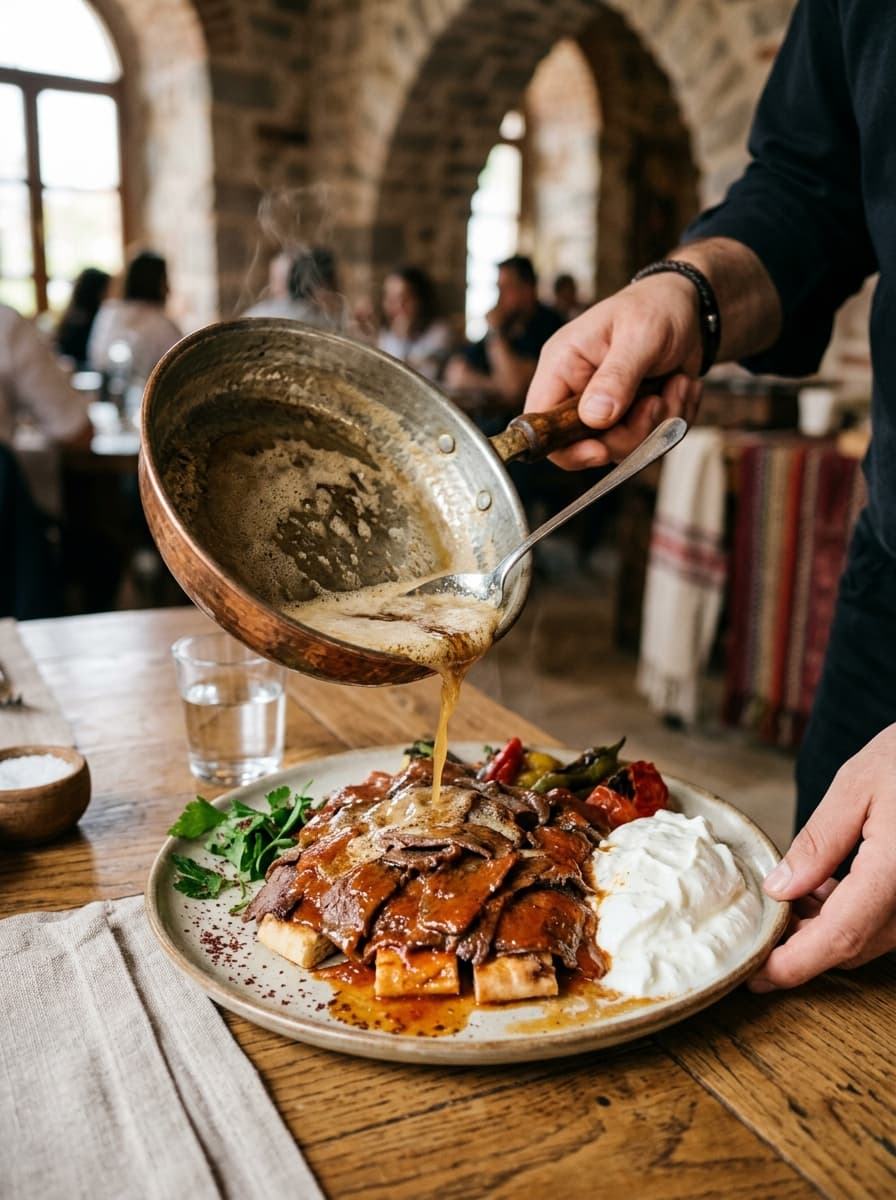
Kebapçı İskender (Historic Blue Shop, Heykel), Kebapçı Hüseyin (Alacahırka), Kebapçı İsmail (Kayhan)
Bursa Meatballs on Flatbread (Pideli Köfte)
Historic Kayhan Bazaar (Hacı Bey, Köfteci Yeşil, İdris)
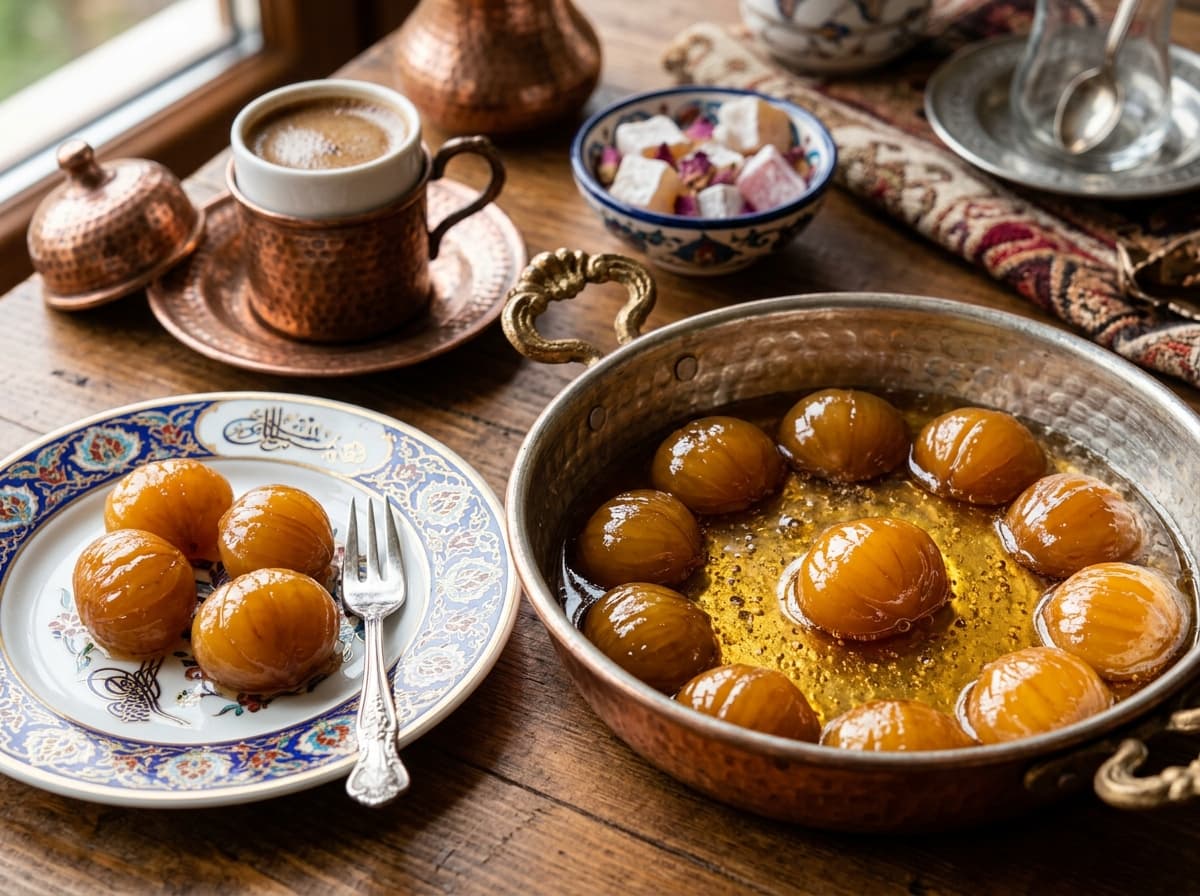
Bursa Candied Chestnuts (Marron Glacé)
Kafkas (Atatürk Cad.), Kardelen Kestane Şekeri, Ali Uzun (Grand Bazaar)
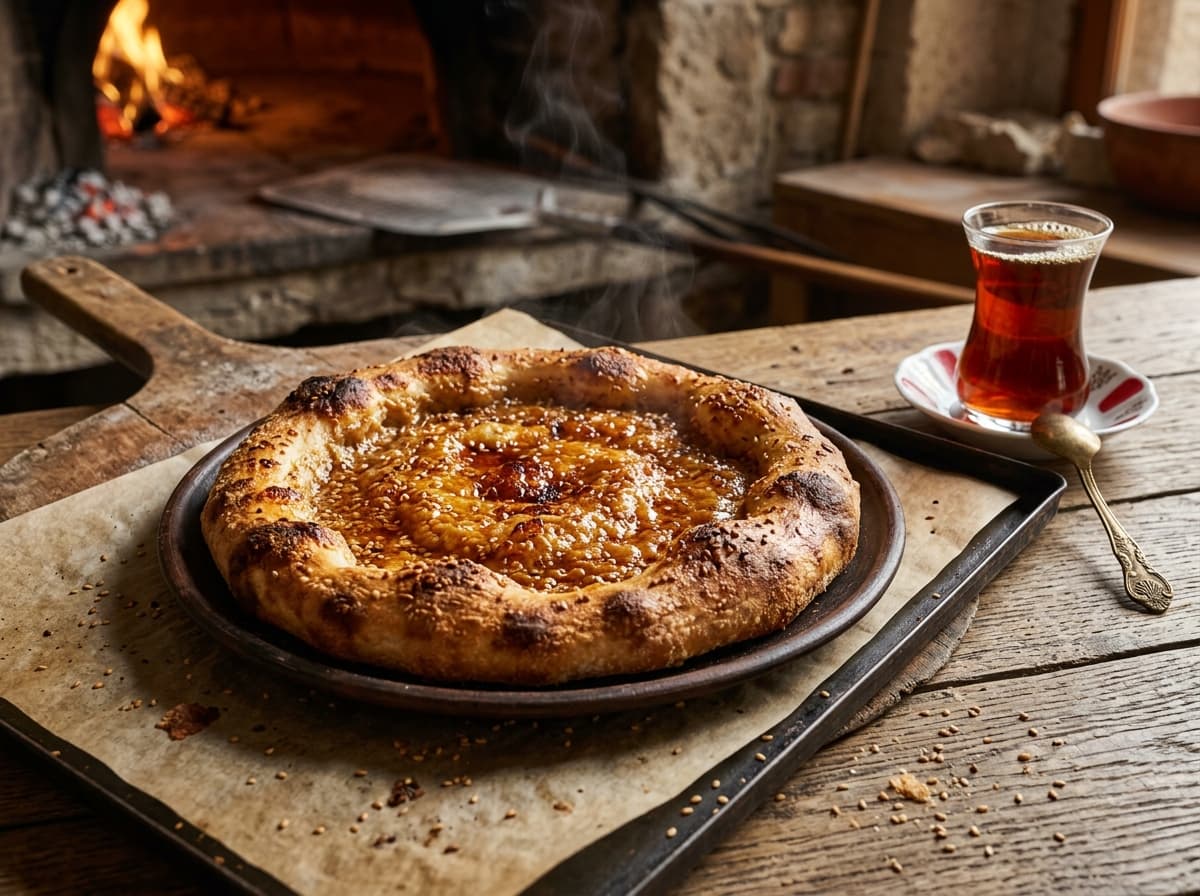
Bursa Tahini Flatbread ('Tahanlı')
Tarihi Abdal Fırını (Abdal Square), İnanç Fırını (Muradiye)
Muradiye Complex: Ottoman Pantheon, 12 Imperial Tombs & Visitor Guide
Visitor Information
What to Do in 2 Hours Around Muradiye Complex: Ottoman Pantheon, 12 Imperial Tombs & Visitor Guide
A curated step-by-step pedestrian itinerary to explore the historic neighborhood effortlessly.
Muradiye Complex: Ottoman Pantheon, 12 Imperial Tombs & Visitor Guide
40 min visit, architectural highlights and photo stop
Muradiye-Rum Agion Apostolon Church
Located in Osmangazi, Muradiye-Rum Agion Apostolon Kilisesi represents Bursa's heritage of tolerance and multicultural architectural beauty.
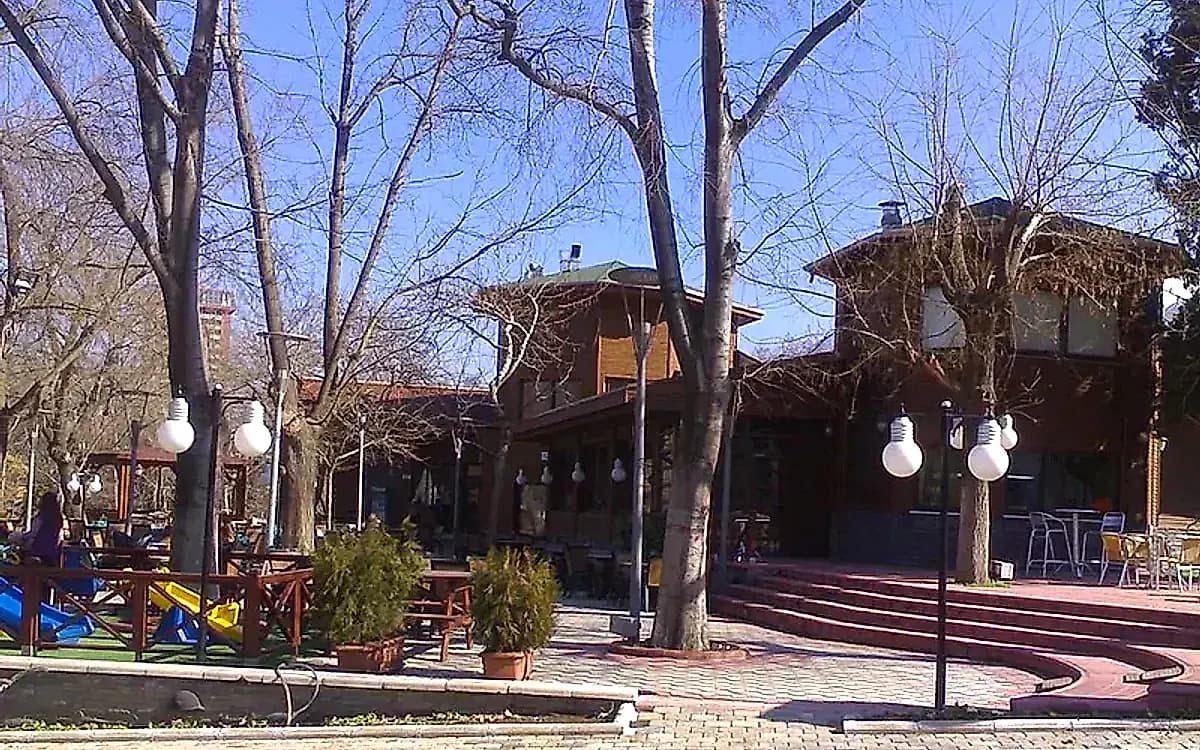
Reşat Oyal Culture Park
Set in Osmangazi, Reşat Oyal Kültür Parkı offers scenic greenery, peaceful walking tracks, picnic spots, and fresh air for nature enthusiasts.
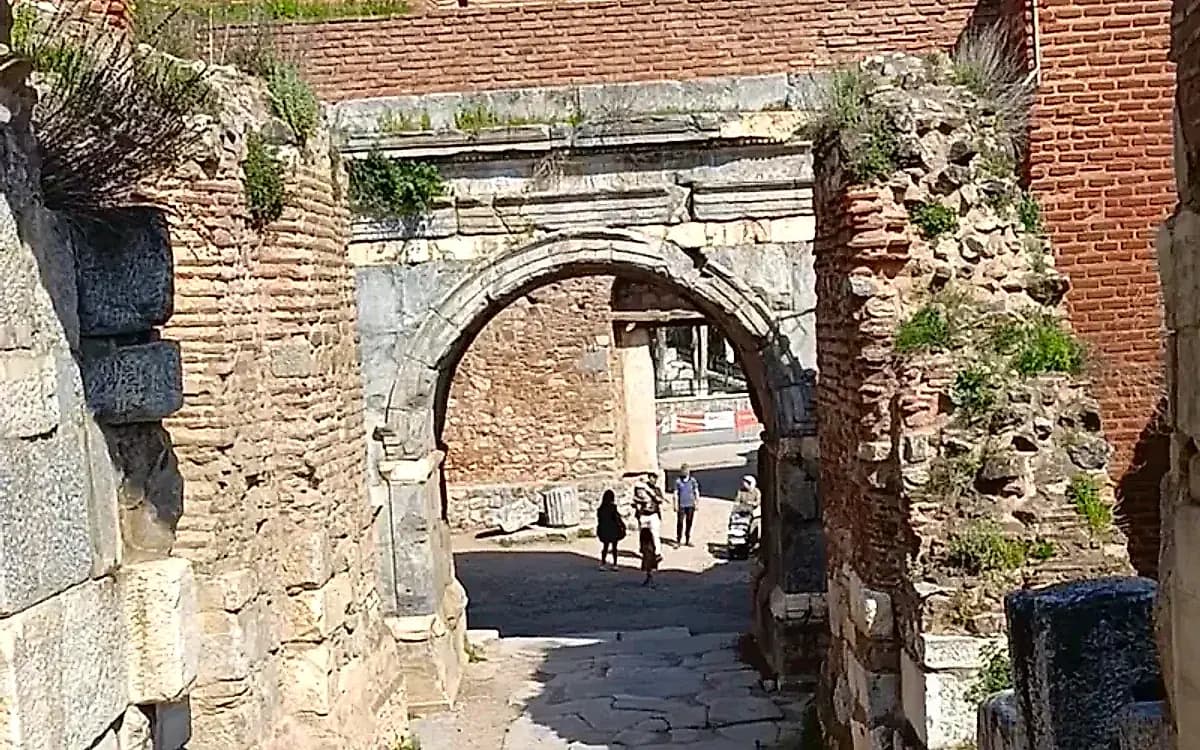
Demir Kapı Greek Orthodox Church
Located in Osmangazi, Demir Kapı Rum Ortodoks Kilisesi represents Bursa's heritage of tolerance and multicultural architectural beauty.
Authentic Bursa Iskender Kebab
Savor traditional Authentic Bursa Iskender Kebab or authentic Turkish coffee in a historic courtyard (20 min).
Other Recommended Attractions in and around Osmangazi
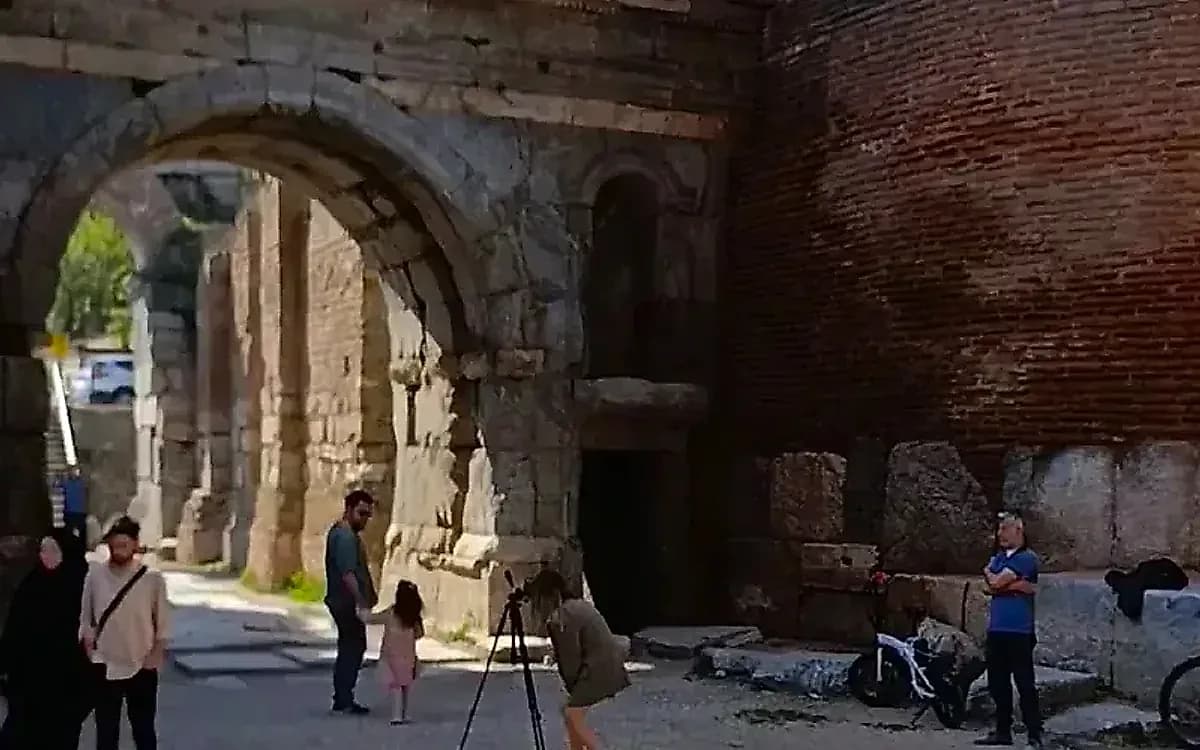
Greece - Turkey Friendship and Peace Tree
A meaningful living monument in Bursa symbolizing eternal friendship and peace between Turkish and Greek nations. Located in Osmangazi, it reflects the city's rich heritage of tolerance and cultural dialogue.
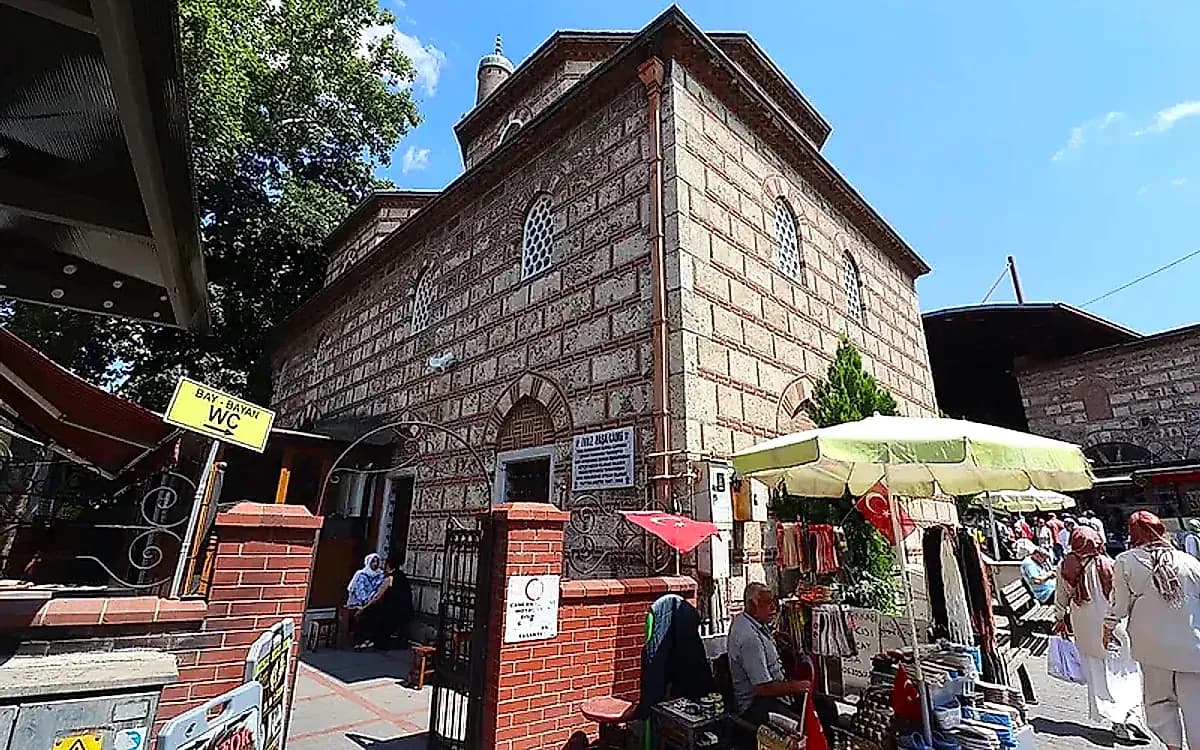
Ahmet Vefik Pasha Hospital (Muradiye Memleket Hospital)
Set in Osmangazi, Ahmet Vefik Paşa Hastanesi (Muradiye Memleket Hastanesi) offers scenic greenery, peaceful walking tracks, picnic spots, and fresh air for nature enthusiasts.
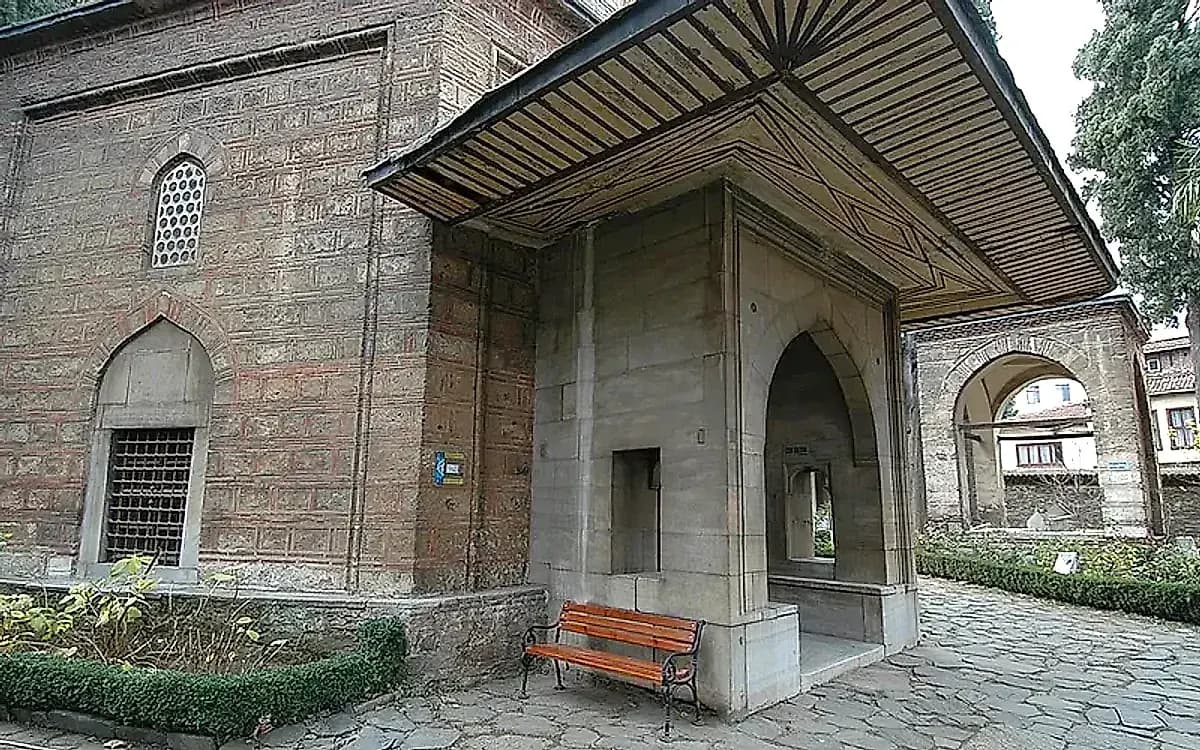
Tomb of Cem Sultan
Set in Osmangazi, Cem Sultan Türbesi offers scenic greenery, peaceful walking tracks, picnic spots, and fresh air for nature enthusiasts.
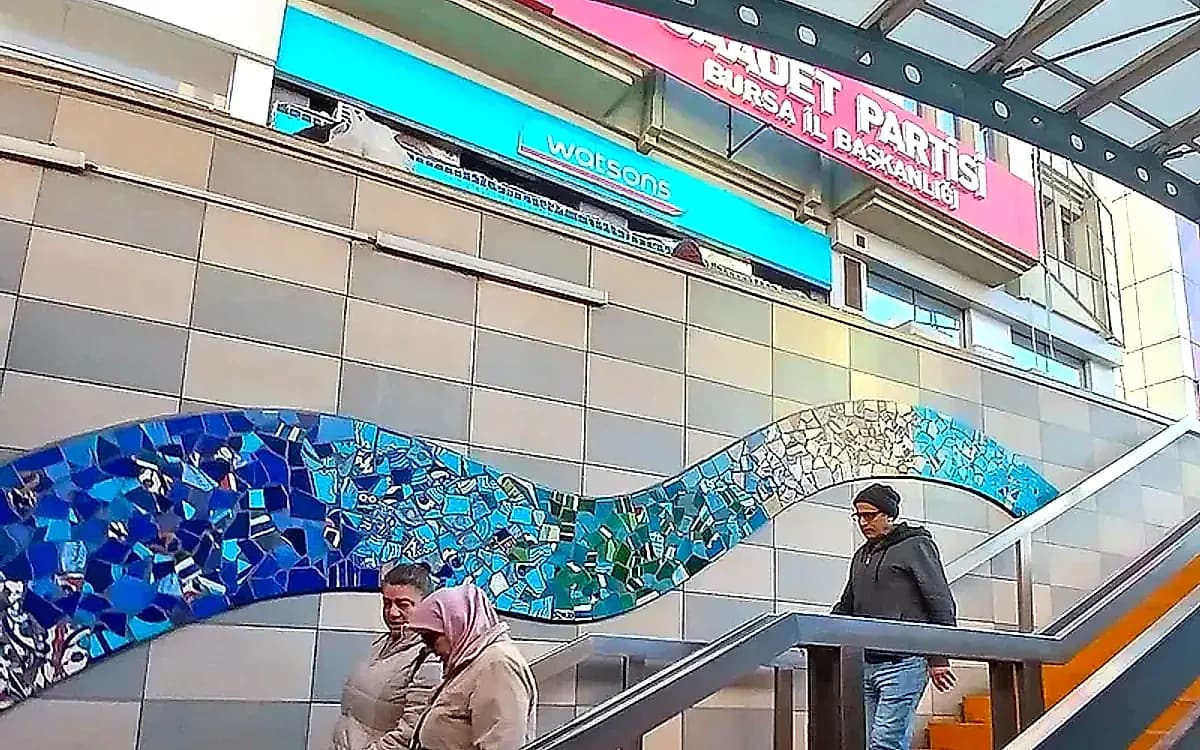
Hotels Area Ski House
Set in Osmangazi, Oteller Bölgesi Kayak Evi offers scenic greenery, peaceful walking tracks, picnic spots, and fresh air for nature enthusiasts.