
Cumalıkızık Village: 700-Year-Old UNESCO Ottoman Living Heritage & Guide
1. Essential Facts and Quick Visit Snapshot
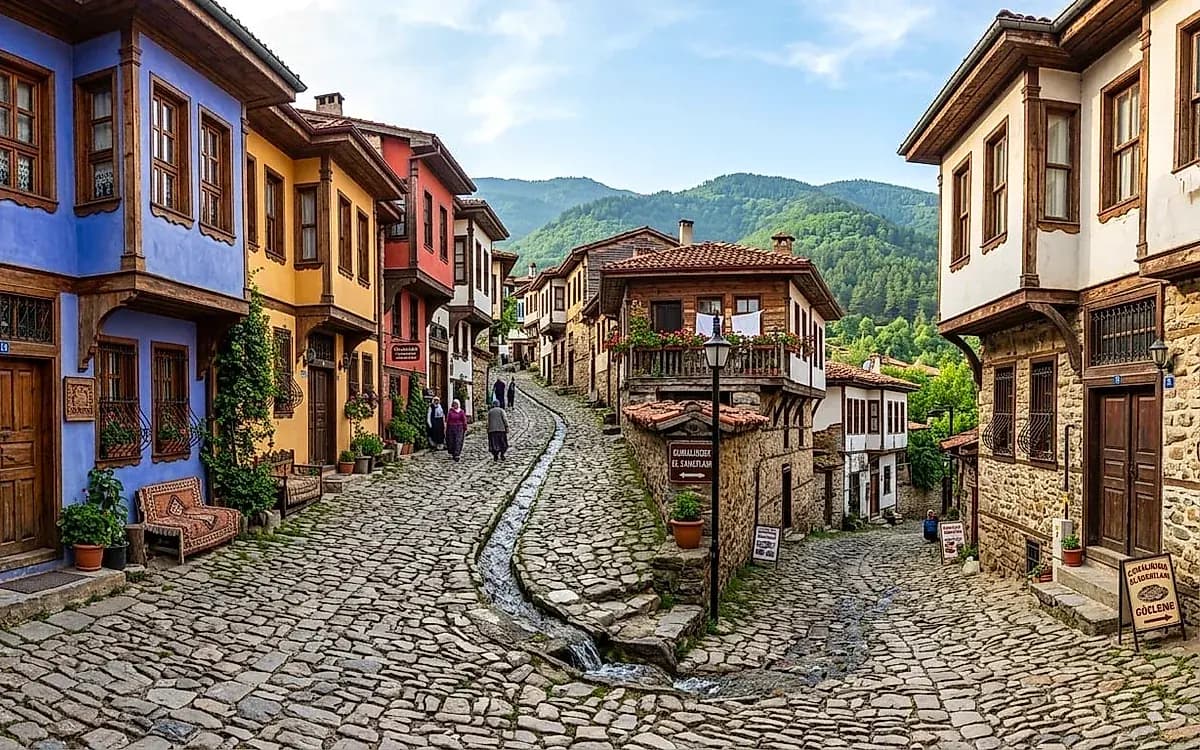
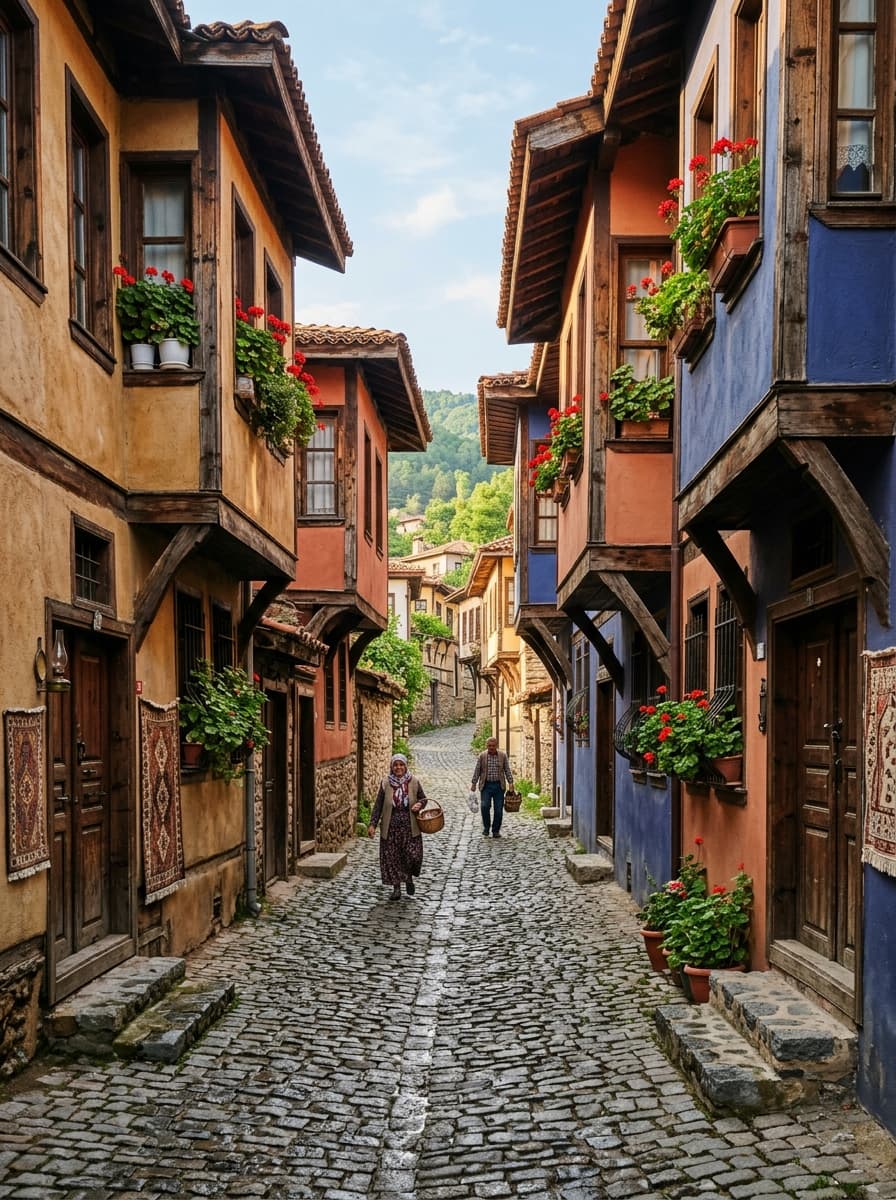
Cumalıkızık is a world-renowned UNESCO World Heritage living village nestled on the northern slopes of Mount Uludağ, founded in the early 1300s during the genesis of the Ottoman Empire. For over seven centuries, it has continuously preserved its authentic stone-and-timber vernacular architecture, medieval street layout, and rural agricultural lifestyle. Situated in the Yıldırım district of Bursa, the settlement represents the finest surviving manifestation of the early Ottoman waqf (foundation) village system. With roughly 270 timber-framed houses washed in indigo blue, ochre yellow, and violet, narrow cobblestone streets channeled with fresh mountain stream water, and the legendary Cin Aralığı (one of the narrowest alleys in the world), Cumalıkızık offers an extraordinary living encounter with 14th-century rural life.
| Feature | Detail |
|---|---|
| Foundation Era | Early 1300s (Reign of Osman I & Orhan I) |
| Tribal Heritage | Settled by the Kızık clan of the 24 Oghuz Turkic tribes |
| UNESCO World Heritage | Inscribed in 2014 ("Bursa and Cumalıkızık: The Birth of the Ottoman Empire") |
| Historic Timber Houses | Approximately 270 protected heritage Ottoman rural dwellings |
| Iconic Highlights | Cin Aralığı (Narrow Alley), Village Square, Ethnography Museum |
| Gastronomic Fame | Courtyard village breakfast, freshly rolled gözleme, wild blackberry jam |
| Admission | Free entrance to the village |
2. Seven Centuries of Living History: The Kızık Clan
In the early 14th century, prior to capturing fortified Byzantine Prusa, the fledgling Ottoman dynasty stationed nomadic Turkmen clans on the fertile foothill passes of Mount Uludağ. Seven villages were founded by the Kızık clan of the Oghuz Turks. Cumalıkızık earned its distinctive name ("Friday Kızık") because neighboring settlements lacked a congregational Friday mosque, gathering here weekly for communal worship and market trade. The village served as an agricultural engine funding imperial charitable foundations across Bursa.
3. Vernacular Ottoman Architecture: Indigo Walls and Central Water Runnels
Walking the cobblestones of Cumalıkızık feels like stepping into a 14th-century painting:
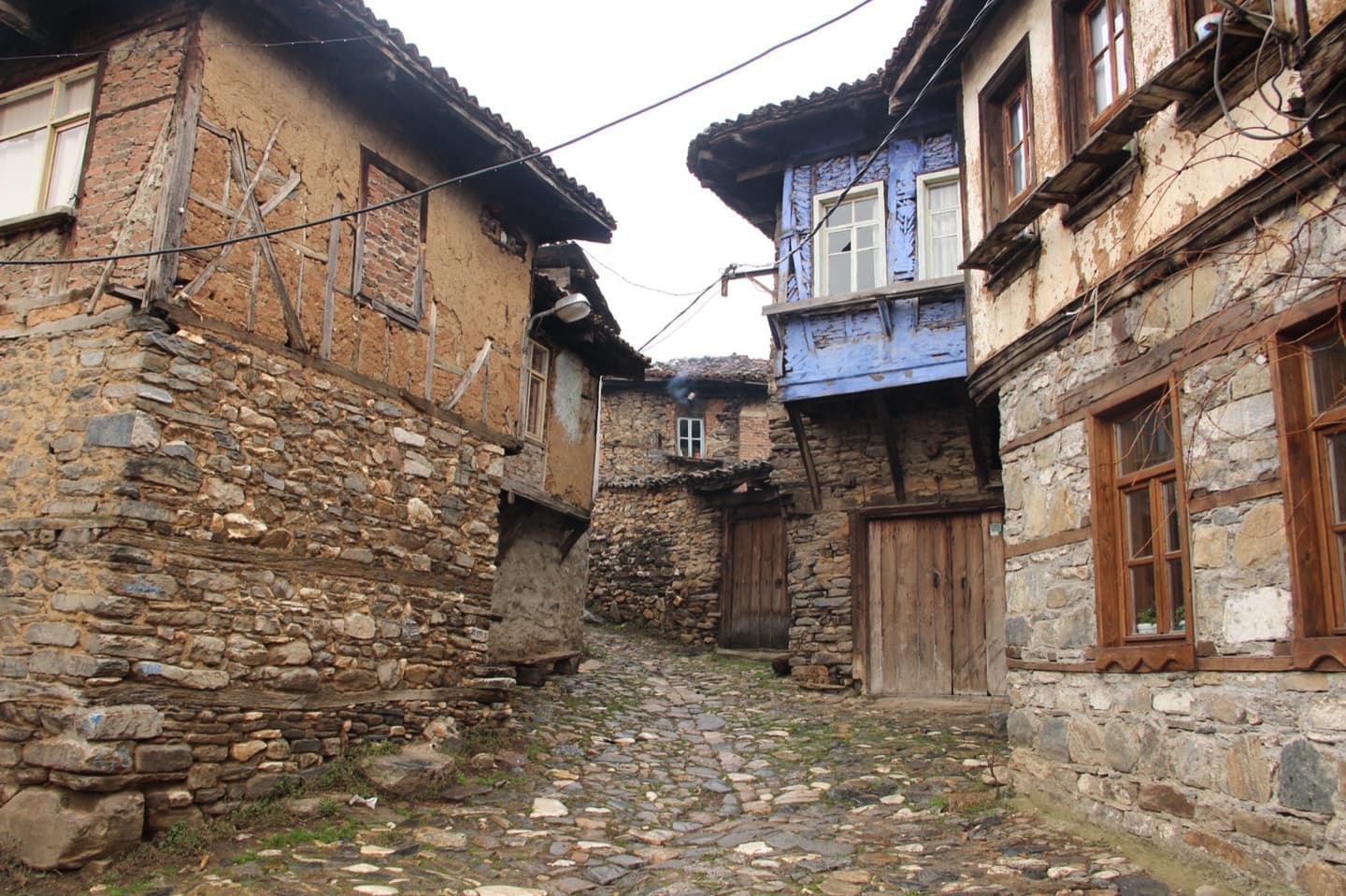
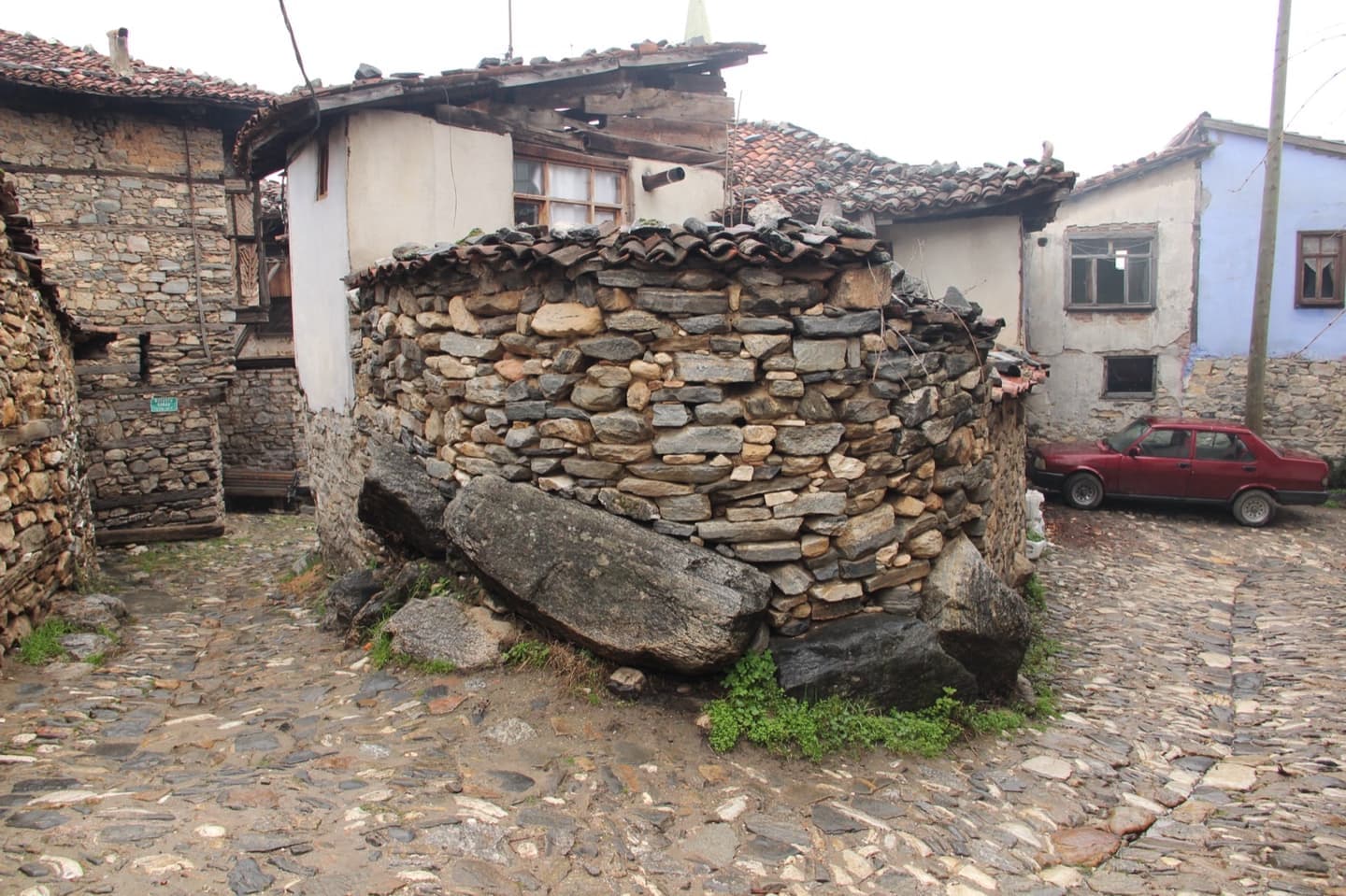
- Stone and Timber Engineering: Dwellings feature heavy rubblestone ground floors supporting timber-framed upper floors filled with sun-dried adobe bricks, an elastic construction method that has withstood major earthquakes for 700 years.
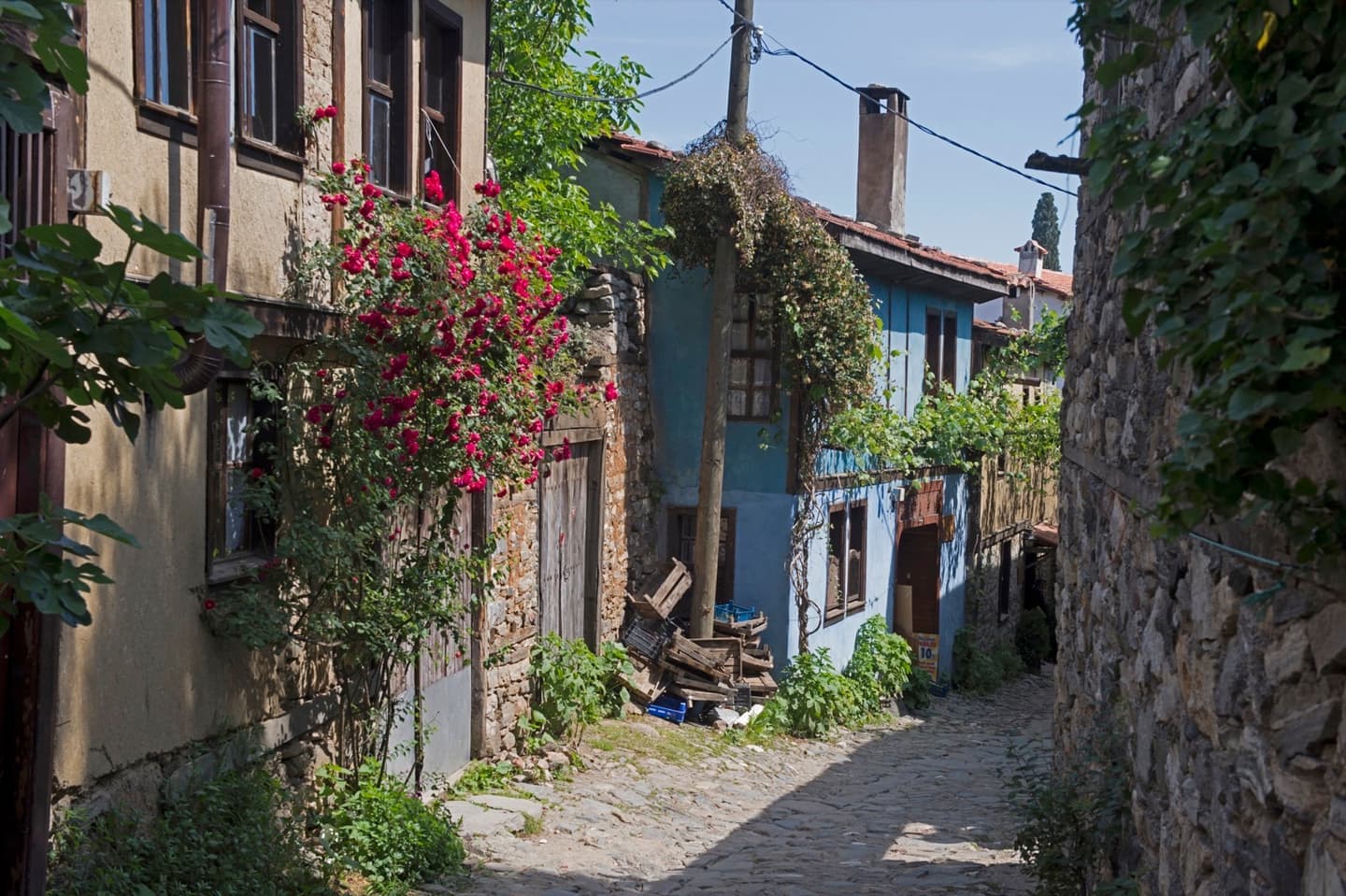
- Indigo Blue Wash: Facades are painted in traditional indigo blue, yellow ochre, and lime whitewash. Local lore maintains that indigo blue naturally repels scorpions and insects.
- Street Water Channels: Cumalıkızık possesses no raised sidewalks; instead, convex cobblestones slope toward a central stone gutter carrying cold snowmelt from Uludağ down the center of each street, continuously cleansing the alleyways.
4. The Legend of Cin Aralığı: One of the World's Narrowest Passages
A global curiosity within the village is Cin Aralığı, an astonishingly narrow passage between two stone residences tapering to just 40 to 50 centimeters (16 to 20 inches) in width. Local lore recalls that during the Turkish War of Independence, local resistance fighters evaded invading soldiers by slipping through this crack; the pursuers, unable to squeeze through, believed supernatural spirits ("cin") had vanished into thin air. Today, visitors line up to attempt passing sideways through the cleft.
5. The Famous Cumalıkızık Village Breakfast Experience
No trip to Bursa is complete without indulging in an authentic serpme village breakfast served within the stone-walled courtyards of historic homes:
Feast on piping-hot gözleme flatbreads filled with cheese and herbs, freshly churned village butter, homemade mountain raspberry and blackberry preserves, fried village eggs in earthenware dishes, and endless glasses of black tea brewed over wood-fired samovars.
6. Practical Visitor Advice, Transit & Etiquette
- Avoid Weekend Crowds: The village is extremely popular on Saturdays and Sundays. Visit on a weekday morning (09:00–12:00) for unhindered photography and quiet courtyards.
- Footwear: Wear sturdy, non-slip walking shoes; the rounded river stones and running water channels make high heels or thin sandals hazardous.
- Respect Private Homes: Remember that Cumalıkızık is an active residential village; do not enter private family courtyards without an explicit invitation.
- Transit: Take the BursaRay metro to Cumalıkızık station, then board connecting minibuses for a 5-minute ride directly into the village.
Insider Tip
"Pass through the Gin Range and take photos. When you get away from the crowd in the village square and climb up to the upper streets, you can discover the clear stream waters coming from Uludağ and the quiet wooden houses."
Bursamız Local Guide Notes
Google E-E-A-T Verified Visitor Experience & Insights
Dr. Kemal Altın
Tarih & UNESCO Mirası Danışmanı • Tarih Danışmanı & Yazar
Osmanlı'nın ilk başkenti Bursa'nın sultan külliyeleri, hanlar bölgesi ve tarihi mahalleleri üzerine doktora tezine sahip akademisyen ve araştırmacı yazar.
This content has been prepared in compliance with Bursamız Editorial Standards, cross-verified with official city data.
Photo Gallery
Cumalıkızık Village: 700-Year-Old UNESCO Ottoman Living Heritage & Guide 360° Virtual Tour & Earth 3D Station
Satellite 3D telemetry, terrain topography, and 360° street panoramas are fully calibrated. Fly in 3D orbit or tour inside step by step.
Add to Your Route & Stamp in Culture Passport
Plan and optimize your Bursa trip on the interactive map; check in on-site via GPS to collect digital stamps and earn the official Bursa City Ambassador award.
Frequently Asked Questions (FAQ)
Is there an entrance fee for Cumalıkızık Village?
No, entrance to Cumalıkızık village is completely free of charge. Parking lots at the entrance charge a small nominal fee.
Why is Cumalıkızık on the UNESCO World Heritage List?
It was inscribed in 2014 for preserving 700 years of early Ottoman rural architecture, stone street systems, and living agrarian traditions intact.
What is Cin Aralığı and how narrow is it?
Cin Aralığı is one of the world's narrowest alleyways, measuring just 40–50 cm wide, famed for a legendary escape during the War of Independence.
What is the best day and time to visit?
Weekday mornings between 09:00 and 12:00 are ideal to experience peaceful ambiance and empty streets before weekend tour buses arrive.
What is included in the famous village breakfast?
Fresh gözleme flatbreads, homemade blackberry and raspberry jams, village cheeses, wood-fired samovar tea, and farmhouse eggs.
How can I reach Cumalıkızık by public transit?
Take the BursaRay metro line to Cumalıkızık/Değirmenönü station, then catch the connecting green minibuses that depart every 10 minutes.
Is Cumalıkızık wheelchair or stroller accessible?
Navigating is challenging due to historic cobblestones and center-street water channels; sturdy assistance is required for wheelchairs.
Can private cars drive inside the village?
No, motor vehicles are prohibited inside the village to safeguard the historic fabric; visitors park in lots at the village gates.
Why are the houses painted indigo blue?
Indigo blue is a centuries-old tradition believed to deter scorpions and pests while offering thermal insulation against summer heat.
How many historic houses exist in Cumalıkızık?
There are approximately 270 registered historic Ottoman houses, with roughly 180 still inhabited by local families.
What can you buy at the village street market?
Fresh mountain blackberries, raspberries, raw honey, homemade tomato paste, chestnuts, egg noodles (erişte), and hand-knitted crafts.
Is the Ethnography Museum worth visiting?
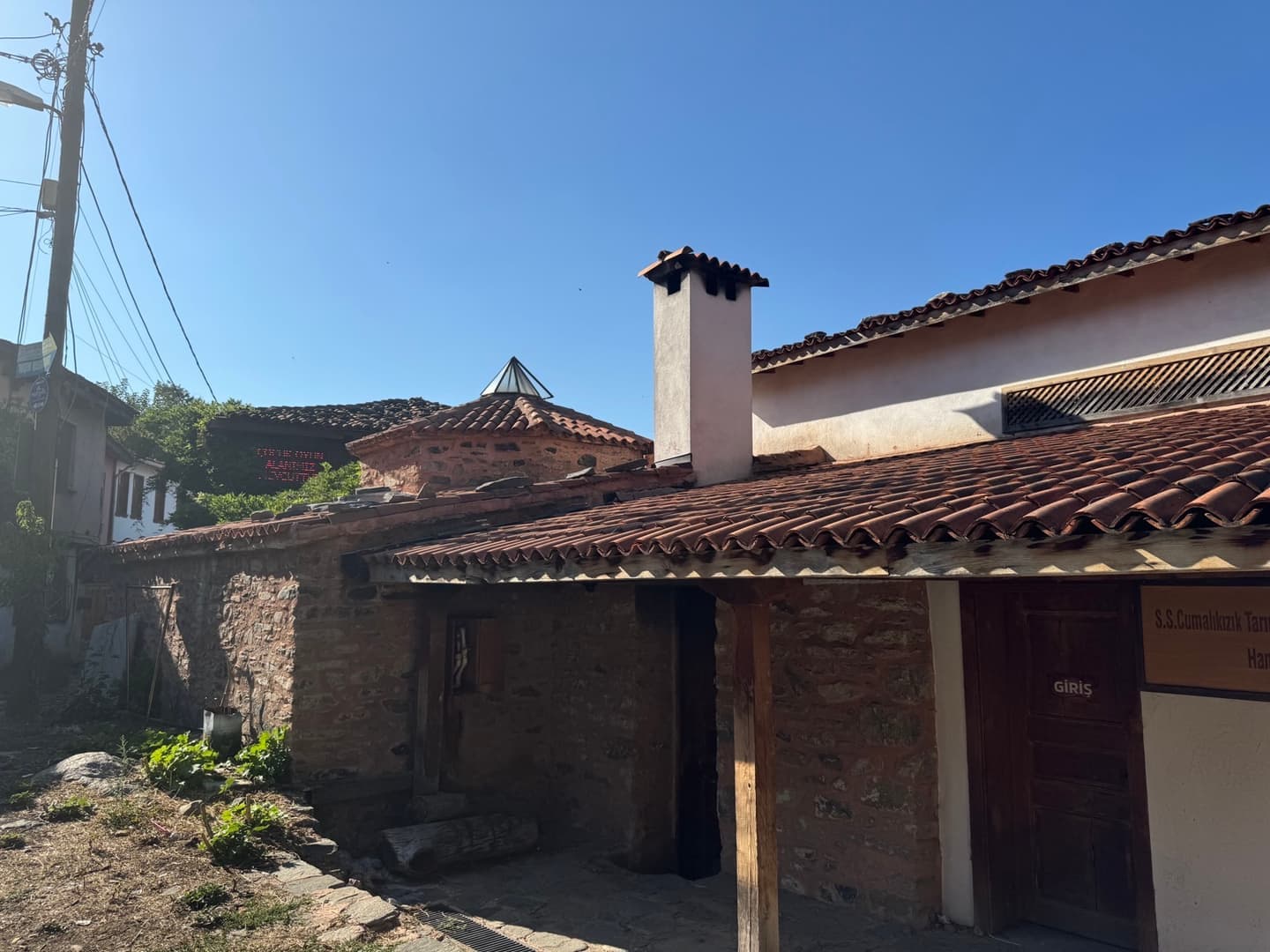
Yes, located right on the village square, it exhibits centuries of rural farming tools, weaving looms, and traditional folk costumes.
How far is Cumalıkızık from Bursa city center?
It is located about 12 kilometers (7.5 miles) east of downtown Bursa, approximately 15 to 20 minutes by taxi or car.
Where does the name 'Cumalıkızık' come from?
Settled by the Kızık Oghuz clan, it was named 'Friday Kızık' because villagers from nearby hamlets gathered here for Friday prayers.
How long should I plan to spend in Cumalıkızık?
Allow about 2.5 to 3 hours to leisurely explore the alleyways, visit the museum, shop at the market, and enjoy a traditional breakfast.
Visitor Information
Explore Yıldırım & Surroundings
Gastronomy, district guides, and latest regional highlights in Yıldırım.
Yıldırım Travel Guide: From Green Complex to 700-Year-Old Cumalıkızık
Yıldırım travel guide with UNESCO World Heritage Cumalıkızık village, Green Complex, the peak of Ottoman tile art, Emirsultan and Cable Car route.
Thematic Travel Routes Featuring This Place
Bursa Travel Guide in 24 Hours: A Perfect Day in the First Capital of the Ottoman Empire
From the spiritual majesty of the Grand Mosque and the silk courtyards of Koza Han to legendary Iskender Kebab and panoramic Mount Uludağ cable car, here is your ultimate 24-hour step-by-step Bursa itinerary.
Bursa Ottoman Heritage and UNESCO Complexes Walking Route
Step-by-step cultural walking itinerary connecting the 5 great imperial sultan complexes, the ancient bazaar district, and the UNESCO village of Cumalıkızık.
Registered Gastronomy in Yıldırım
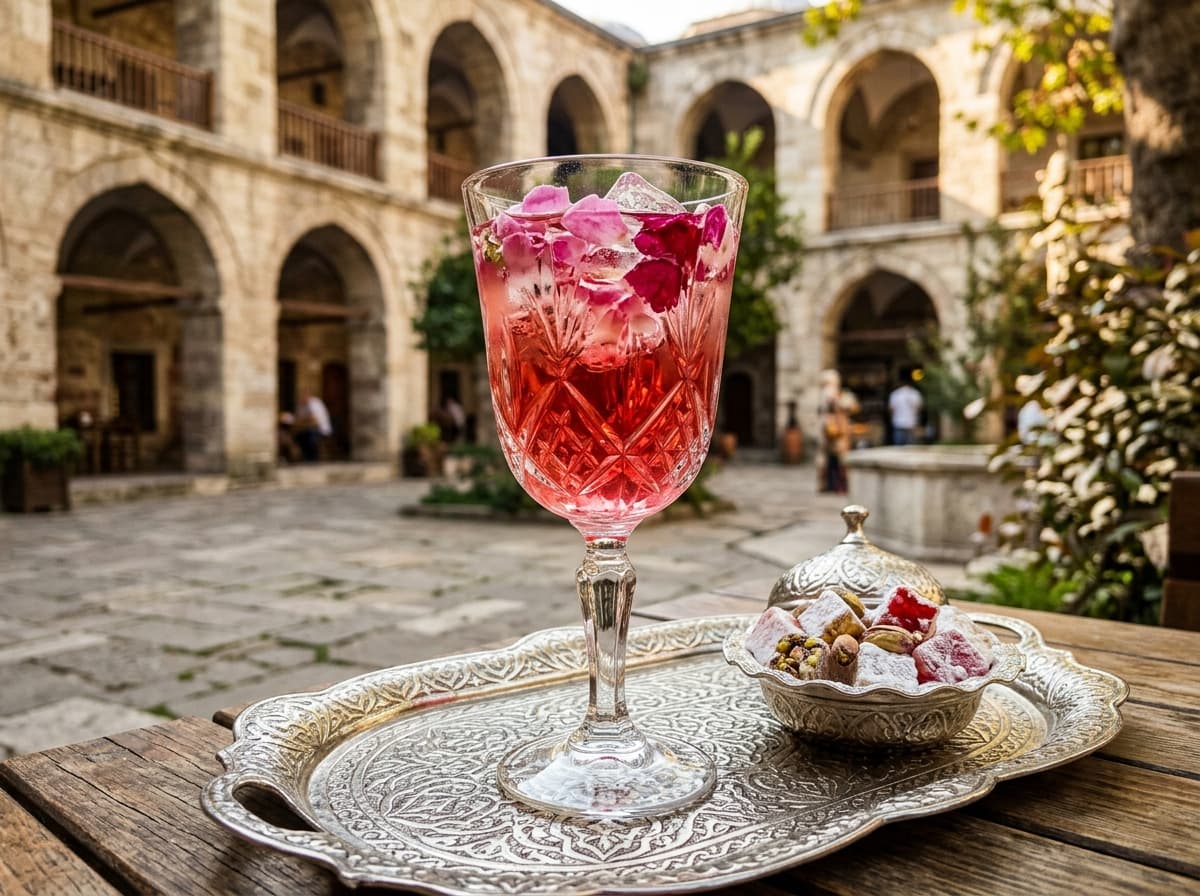
Ottoman Rose & Wild Poppy Cordial
Cumalıkızık UNESCO village mansions, Koza Han courtyard, Darüzziyafe
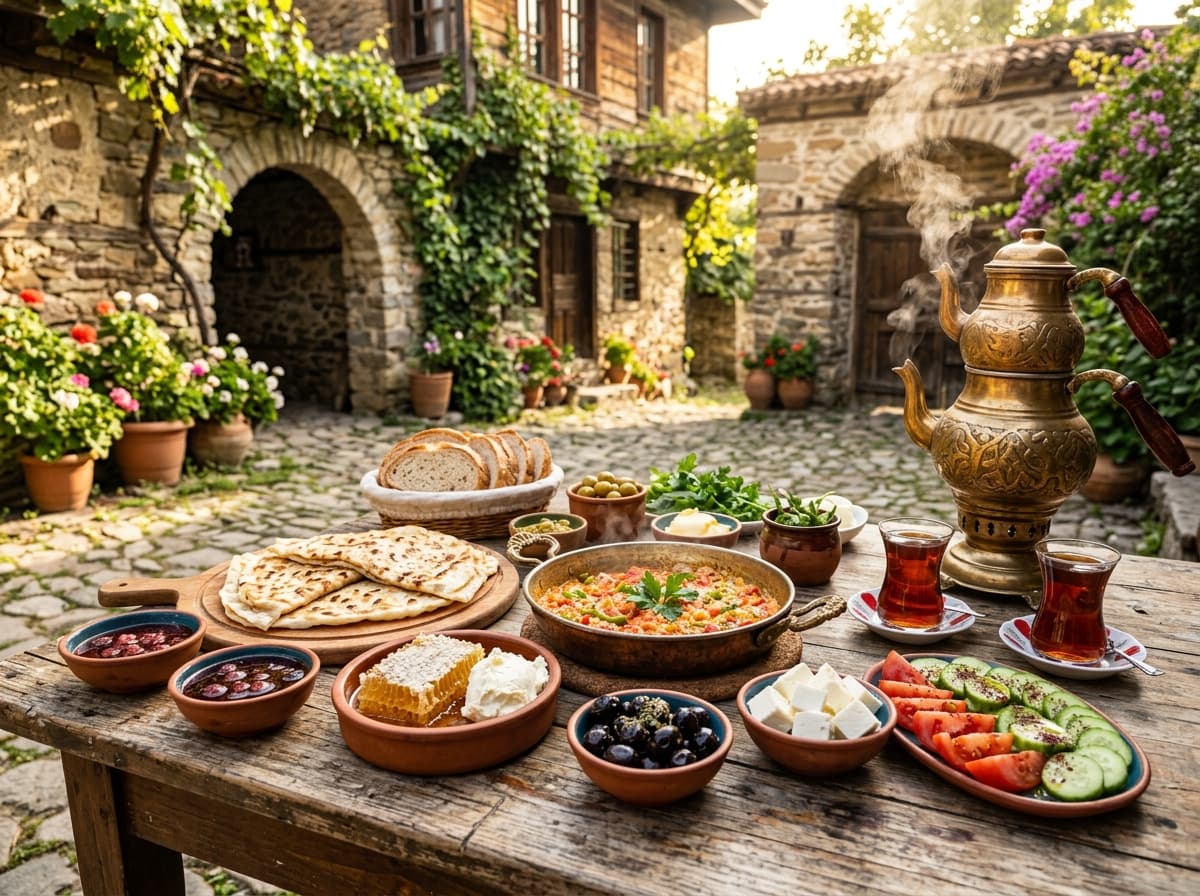
Cumalıkızık UNESCO Village Breakfast
Historic courtyard mansions in Cumalıkızık (Taşev, Bulanlar, Mavi Yıldız)
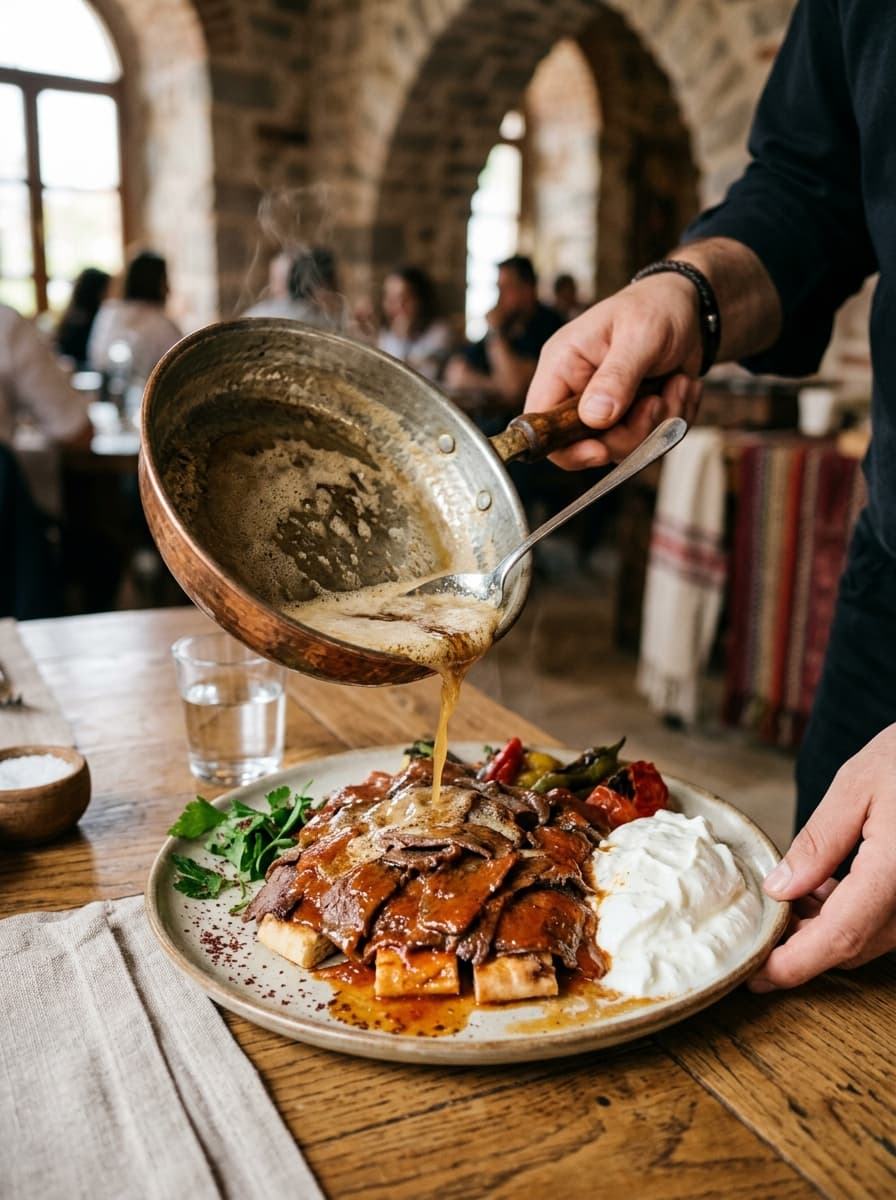
Authentic Bursa Iskender Kebab
Kebapçı İskender (Historic Blue Shop, Heykel), Kebapçı Hüseyin (Alacahırka), Kebapçı İsmail (Kayhan)
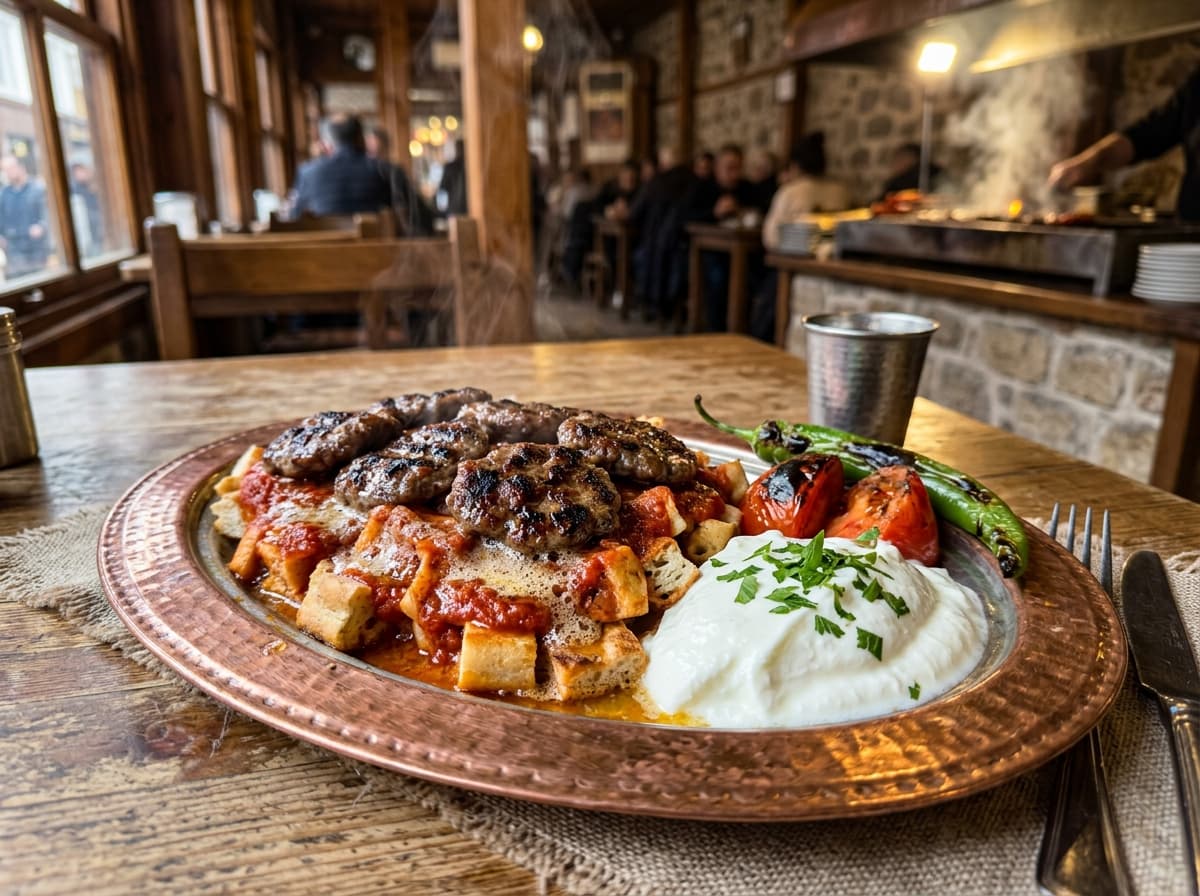
Bursa Meatballs on Flatbread (Pideli Köfte)
Historic Kayhan Bazaar (Hacı Bey, Köfteci Yeşil, İdris)
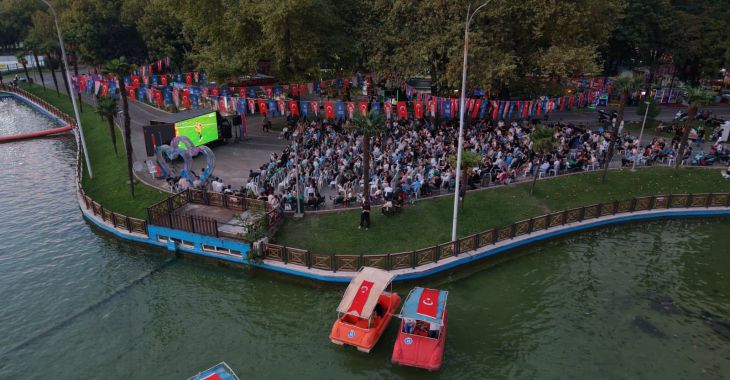
Cumalıkızık Village: 700-Year-Old UNESCO Ottoman Living Heritage & Guide
Visitor Information
What to Do in 2 Hours Around Cumalıkızık Village: 700-Year-Old UNESCO Ottoman Living Heritage & Guide
A curated step-by-step pedestrian itinerary to explore the historic neighborhood effortlessly.
Cumalıkızık Village: 700-Year-Old UNESCO Ottoman Living Heritage & Guide
40 min visit, architectural highlights and photo stop
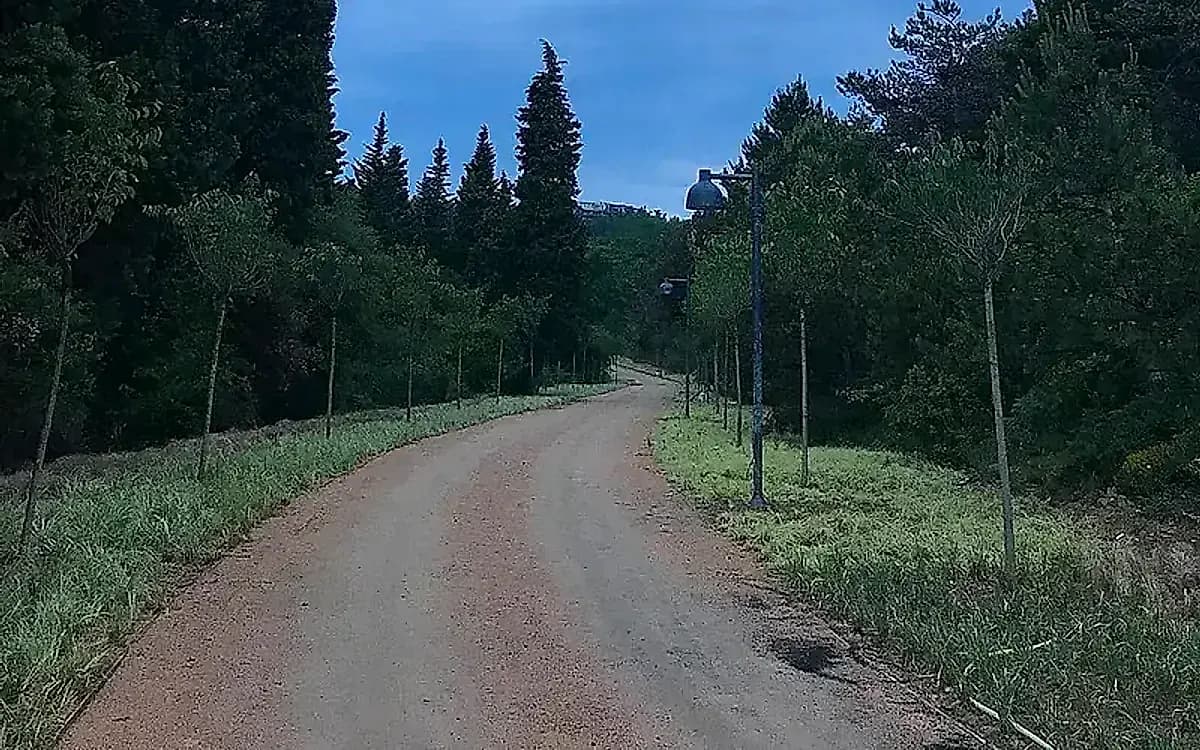
Cumalıkızık Forest Park
Set in Yıldırım, Cumalıkızık Orman Parkı offers scenic greenery, peaceful walking tracks, picnic spots, and fresh air for nature enthusiasts.
Balaban Recreation Area
Set in Yıldırım, Balaban Mesire Alanı offers scenic greenery, peaceful walking tracks, picnic spots, and fresh air for nature enthusiasts.

Vakıf Bera Kent Parkı
Set in Yıldırım, Vakıf Bera Kent Parkı offers scenic greenery, peaceful walking tracks, picnic spots, and fresh air for nature enthusiasts.
Ottoman Rose & Wild Poppy Cordial
Savor traditional Ottoman Rose & Wild Poppy Cordial or authentic Turkish coffee in a historic courtyard (20 min).
Other Recommended Attractions in and around Yıldırım
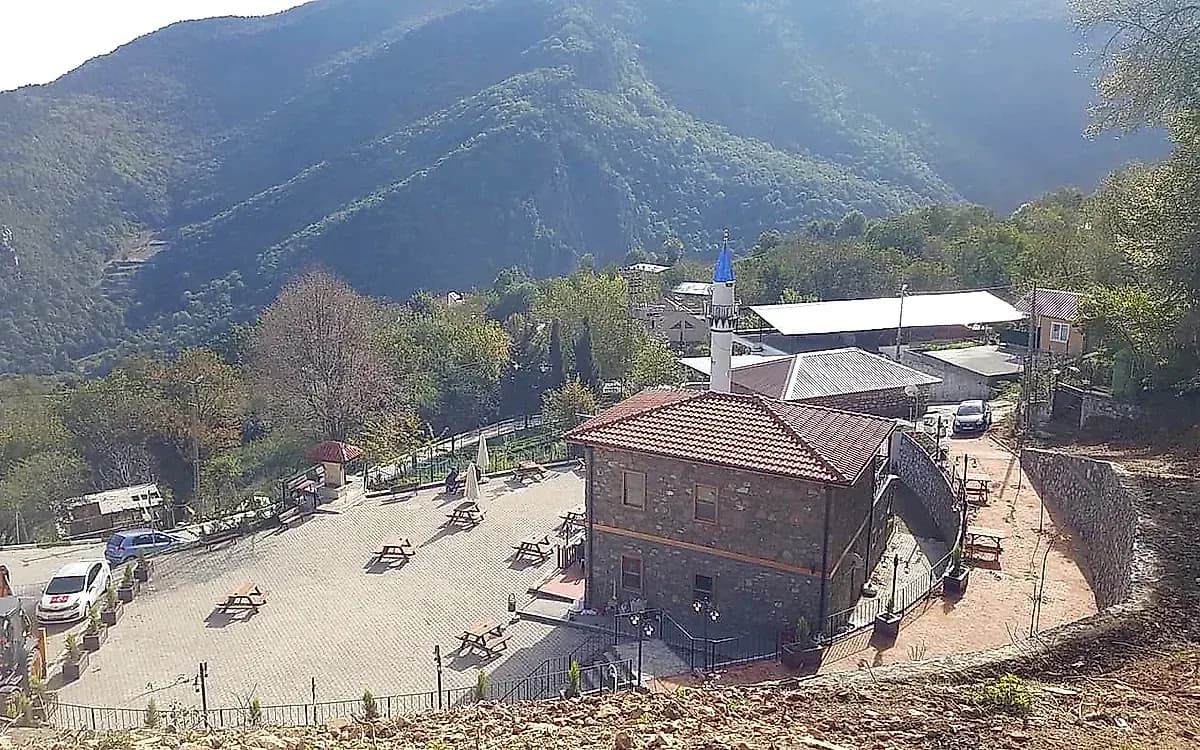
Zeyniler Village & Çalıkuşu House (Scenic Terrace)
The famous mountain village where Reşat Nuri Güntekin set his beloved Turkish novel 'Çalıkuşu' (The Wren). Nestled on Uludağ slopes with women-run local breakfast houses and a panoramic glass terrace.
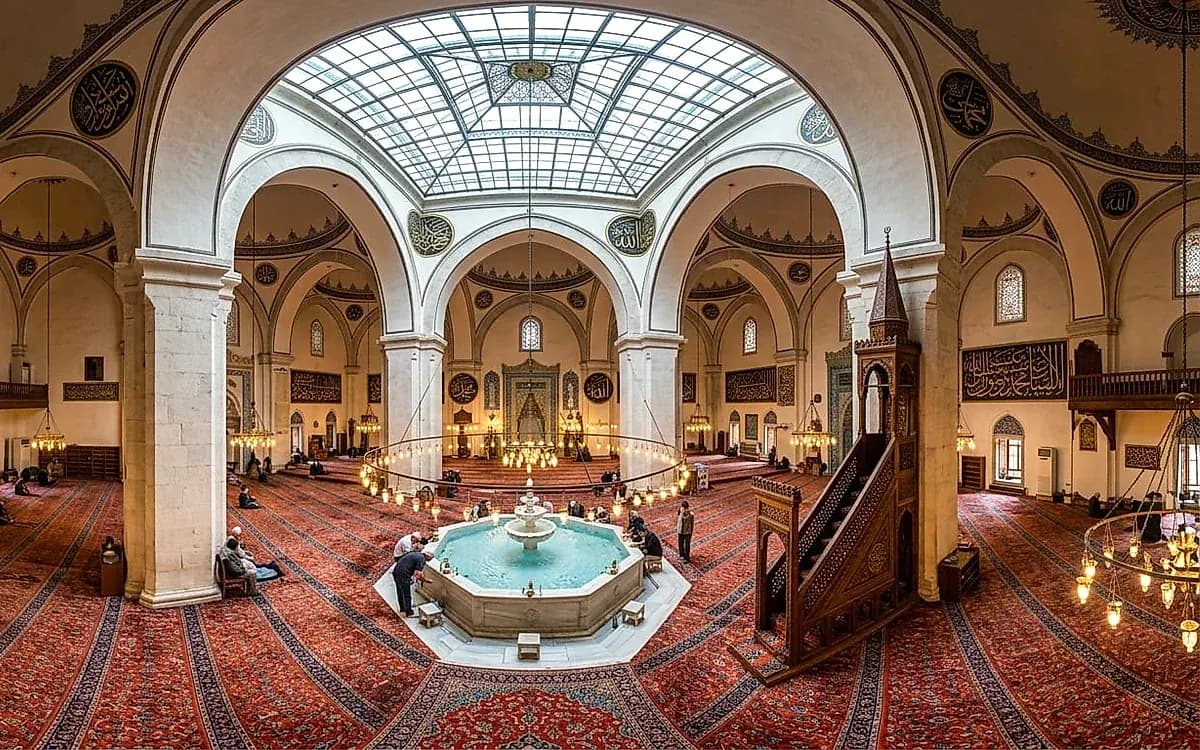
Babasultan Village & Geyikli Baba Tomb (İnegöl)
Babasultan Köyü & Geyikli Baba Türbesi (İnegöl) is a distinguished historic villages & coastal towns landmark situated in the İnegöl district of Bursa, renowned for its heritage and authentic atmosphere.
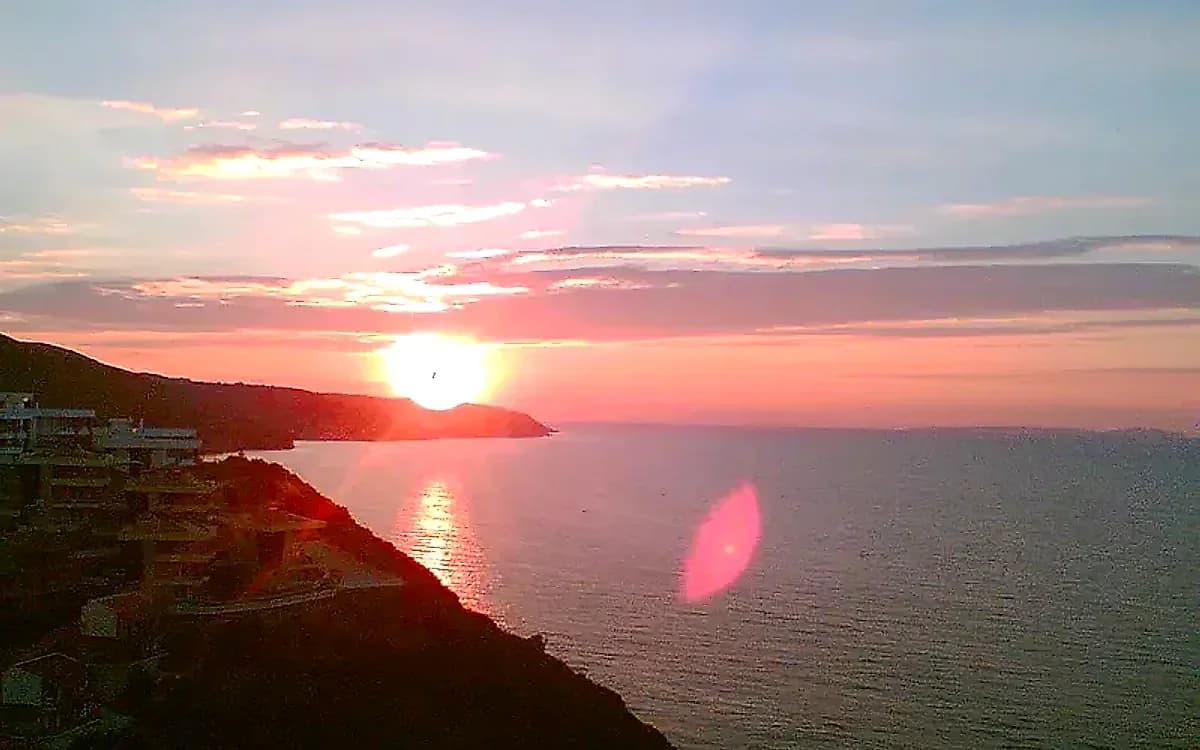
Zambak Tepe (Gölyazı)
Situated in Nilüfer, Zambak Tepe (Gölyazı) features historic ruins, ancient fortifications, and open-air archaeological exhibitions from Bursa's deep past.
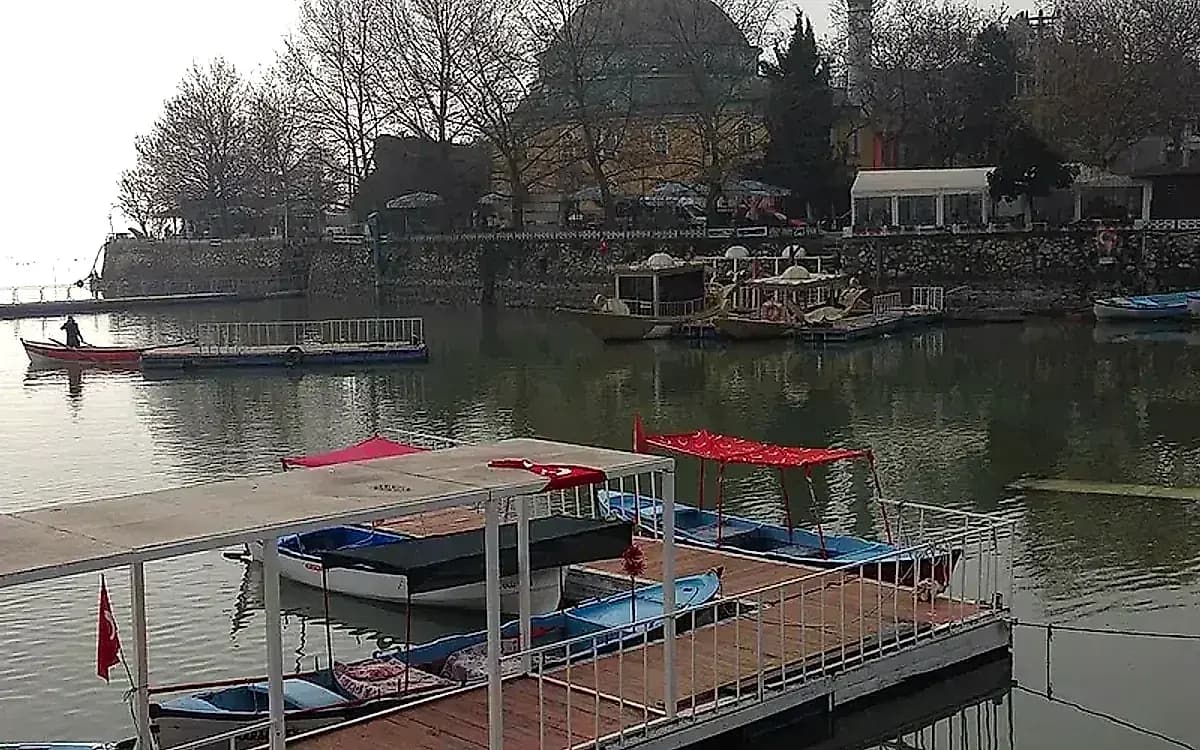
Gölyazı Temple of Apollo
Situated in Nilüfer, Gölyazı Apollon Tapınağı features historic ruins, ancient fortifications, and open-air archaeological exhibitions from Bursa's deep past.