
Historical Bursa Grand Bazaar & Bedesten
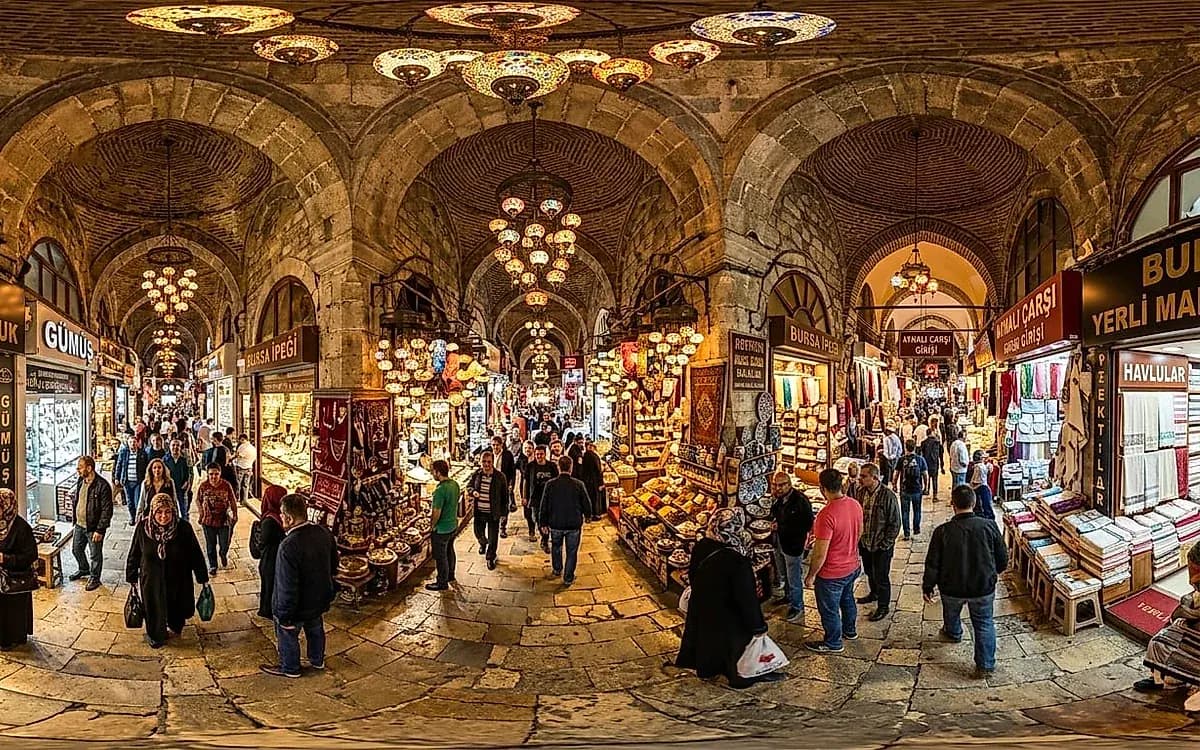
Originating in 1335 under Orhan Gazi and anchored around Sultan Bayezid I's monumental 14-domed stone Bedesten (1399-1400), Bursa Grand Bazaar is the first organized covered marketplace in Ottoman history, famous for goldsmiths, Aynalı Çarşı silver, and luxury towels.
Historical Bursa Grand Bazaar & Bedesten
1. Essential Facts & Quick Visit Summary
Bursa Grand Bazaar (Kapalıçarşı) and the Historic Bedesten; tracing its origins to the reign of Sultan Orhan Gazi in 1335 and anchored around a magnificent 14-domed stone Bedesten commissioned by Sultan Bayezid I in 1399-1400, is the first organized covered bazaar in the history of the Ottoman Empire, predating Istanbul's Grand Bazaar by roughly half a century.
Serving as the monumental spinal column of the UNESCO World Heritage Bazaar and Khans Quarter in Osmangazi, the complex connects seamlessly with Ulu Cami and Koza Han. It encompasses distinct specialized commercial sectors: the monumental 14-domed Jewelers' Bedesten, the antique and artisan silver hub of Aynalı Çarşı (former 14th-century bathhouse), Uzun Çarşı (Long Bazaar), and the world-famous Towel Bazaar (Havlucular Çarşısı). Having risen from the ashes of the catastrophic 1958 fire, it remains today the most energetic and historically authentic shopping destination in Bursa.
Bursa Grand Bazaar Quick Reference Guide
- Location & District: Osmangazi / Bursa (Historic Khans and Bazaar Axis, Atatürk Avenue)
- Founders & Timeline: Orhan Gazi (1335 core bazaar) / Bayezid I (1399-1400 Bedesten) / Mehmed I
- Architectural Form: 14-domed ashlar stone Bedesten and interconnected vaulted arcade streets
- Major Sections: 14-Domed Jewelers Bedesten, Aynalı Çarşı (Antique & Silver), Uzun Çarşı, Towel Bazaar
- Admission: Free (Public historic commercial market; no ticket or Museum Pass required)
- Operating Hours: Monday - Saturday 08:30 - 19:30 (Sundays: main avenue open, most retail shops closed)
- Optimal Visiting Window: Weekdays 10:00 AM - 12:30 PM (For calm shopping and merchant interactions)
2. History and Foundation: From Orhan Gazi to Mehmed I's Bedesten
Following the conquest of Bursa in 1326, the early Ottoman sultans pursued an expansive urban vision, extending civilian and commercial life outside the fortified hilltop citadel. Under Sultan Orhan Gazi (circa 1335), the original open-air public market, soup kitchen, and public bathhouse (Orhan Hamamı, today's Aynalı Çarşı) were established in the lower plain, founding the commercial core of the burgeoning Ottoman capital.
However, the transformation of this market into a fortified global clearinghouse occurred under the 4th Ottoman Sultan, Bayezid I (the Thunderbolt). Following his historic 1396 victory at Nicopolis, Bayezid ordered the construction of a secure, fireproof stone citadel to safeguard luxury trade goods, bullion, and incoming Asian silks: the 14-Domed Bursa Bedesten (Bezazistan), inaugurated in 1399-1400. It is historically revered as the very first bedesten of the Ottoman Empire.
After the turbulent interregnum following the 1402 Timurid invasion, Sultan Mehmed I (Çelebi Mehmed) revitalized the bazaar, repairing stone vaults and tying revenues to charitable foundations. Over the 15th and 16th centuries, distinct artisan guilds covered the adjoining streets with brick vaults, forging the integrated Grand Covered Bazaar network that thrives to this day.
3. Architectural Plan and Engineering: The 14-Domed Bedesten and Vaulted Arcades
The architectural crown of the complex is the Historic Bedesten. Occupying a disciplined rectangular footprint of approximately 69 by 32 meters, it represents a milestone in early Ottoman stone vaulting:
The ceiling features 14 monumental brick domes arranged in two parallel rows of seven, supported down the center by six colossal rectangular stone piers (filayağı). Broad, pointed Ottoman arches tie these piers together and anchor them to massive external ashlar limestone walls exceeding 1.5 meters in thickness. Four heavy, iron-plated timber gates puncture the four cardinal facades. Inside, 56 secure vaulted merchant niches line the central hall, while 32 additional shops flank the exterior perimeter.
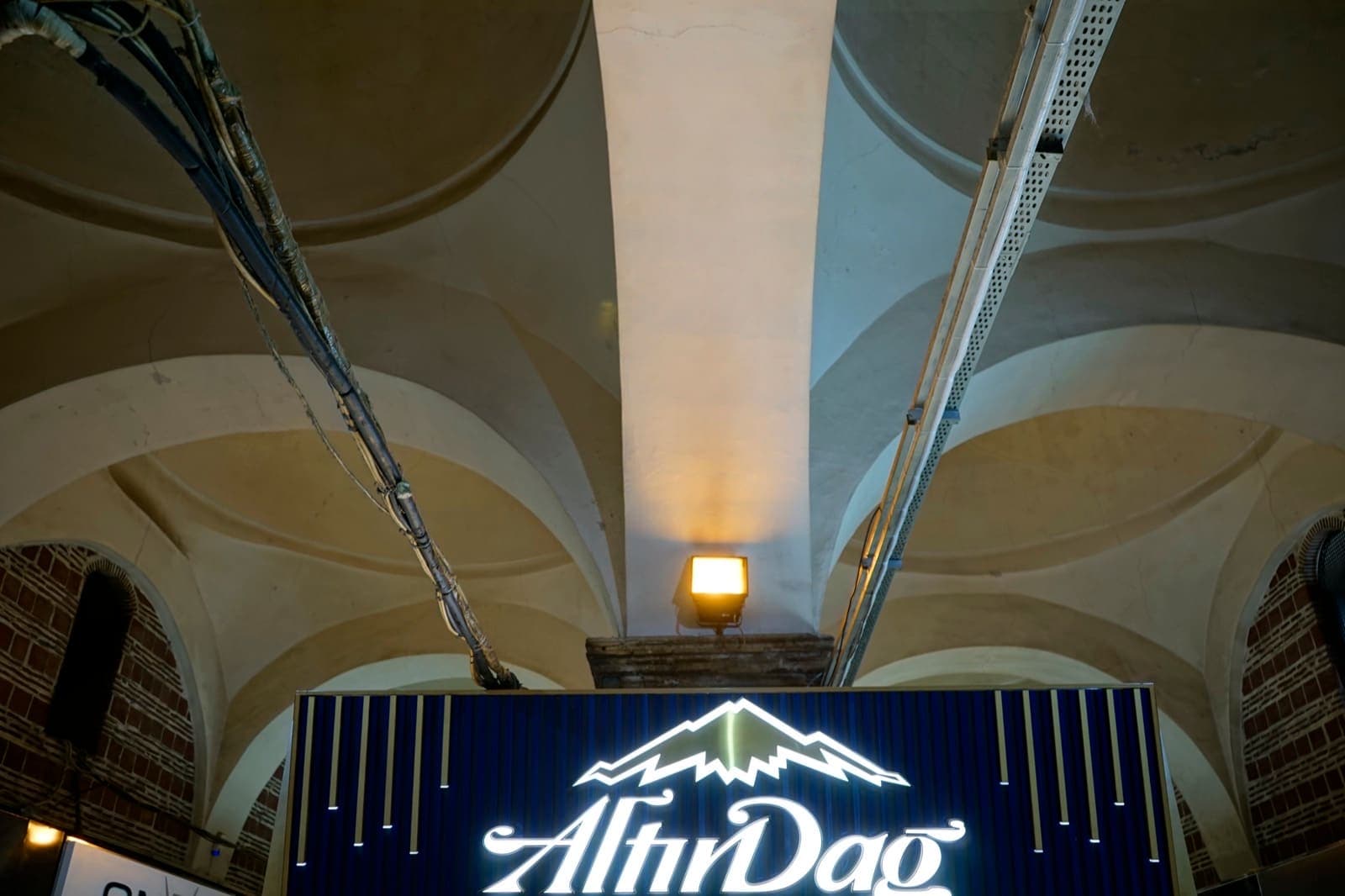
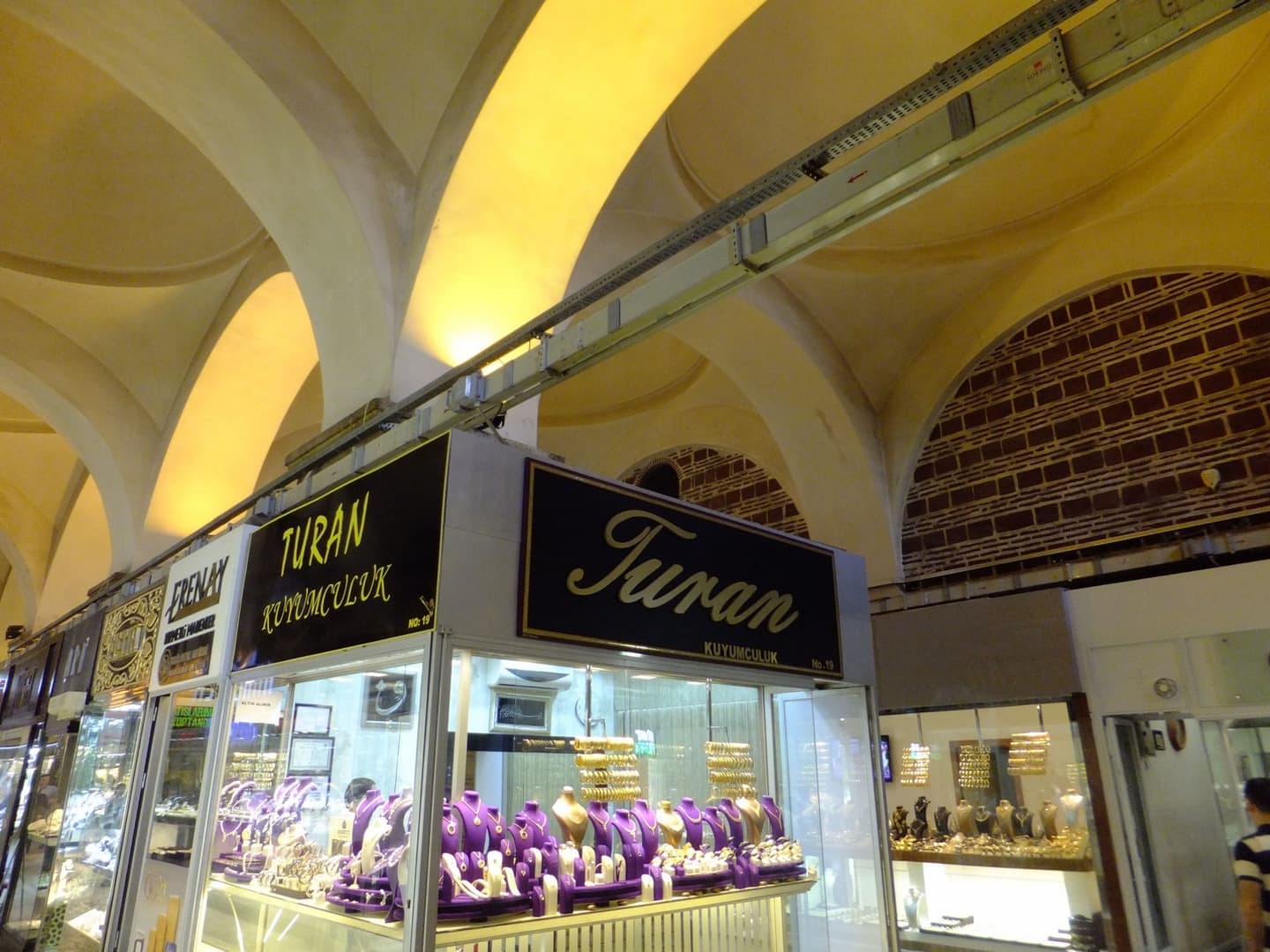
Radiating from the Bedesten are the covered arcade streets of the Kapalıçarşı. Semicircular barrel vaults and pointed brick arches shield shoppers from summer heat and winter snow. High circular skylights (oculi) illuminate the avenues with soft, diffused daylight, while durable granite and basalt paving stones underfoot have withstood millions of footsteps across centuries.
4. Guild Culture and Ahilik Ethics: Moral Foundations of Ottoman Commerce
Bursa Grand Bazaar has historically functioned not merely as a marketplace, but as a living academy of the Ahilik guild tradition—the Islamic ethical code governing medieval trade guilds.
Every commercial street was assigned to a recognized trade guild (goldsmiths, silk weavers, coppersmiths, booksellers), headed by an elected elder (Şeyh) and arbitrator (Yiğitbaşı). Before opening their shutters each morning, merchants assembled in the market square for the collective prayer of honesty and fair measure. Defective manufacturing resulted in immediate disciplinary expulsion ("shoe tossed onto the roof"), while consumer prices were strictly regulated under the state narh system to prevent inflation and price gouging.
This spirit of mutual trust survives today. It remains customary for shopkeepers to look after neighboring stalls during prayer or lunch, while refusing to poach customers before a nearby peer has made their first sale of the day (siftah).
5. Bazaar Sectors: Jewelers, Aynalı Çarşı, Uzun Çarşı and Towel Markets
The vast bazaar labyrinth is segmented into historic specialized zones:
- The Bedesten (Jewelers' Citadel): Beneath the 14 domes, Bursa's most established goldsmiths and certified jewelers offer 14, 22, and 24-karat gold jewelry, precious diamonds, and investment bullion.
- Aynalı Çarşı (Mirrored Bazaar): Housed within the former 14th-century Orhan Hamamı, this domed hall is the center of exquisite filigree silver jewelry, antique pocket watches, Ottoman coins, and handcrafted brass heirlooms.
- Uzun Çarşı (Long Bazaar): The primary pedestrian spine connecting Koza Han with the western gates, lined with traditional textiles, bridal dowry goods, and fine fabrics.
- Havlucular Çarşısı (Towel Bazaar): Bursa's internationally acclaimed hub for 100% pure cotton terrycloth towels, luxury bathrobes, peshtemals, and hotel-grade home linens.
- Bakırcılar & Bıçakçılar: Traditional craftsmen shaping copper cookware, coffee pots, and world-renowned handmade Bursa pocket knives.
6. The Catastrophic 1958 Fire, Rebirth and Connections to Koza Han
The most dramatic turning point in modern Bursa history occurred on **August 24, 1958**, when an accidental fire in a nearby workshop erupted into an uncontrollable conflagration fueled by violent southwestern winds.
Sweeping through centuries-old timber storefronts, the fire consumed nearly 2,000 shops in a catastrophic blaze. Only the massive stone-built Bedesten and the masonry shell of Koza Han stood defiant amidst the ash. Demonstrating extraordinary civic resilience, the Bursa Chamber of Commerce and citizens mobilized nationwide support. Under the master plan of architect Emin Canpolat, the entire bazaar was reconstructed with reinforced concrete vaults and reopened by 1960, stronger and more fire-resistant than before.
7. Earthquakes, Restorations and UNESCO World Heritage Listing
Following damage in the Great Earthquake of 1855, the bazaar underwent major restorations under Sultan Abdülaziz. In 2014, Bursa Grand Bazaar and its historic khans were formally inscribed onto the **UNESCO World Heritage List** under "Bursa and Cumalıkızık: The Birth of the Ottoman Empire", securing international recognition and permanent preservation funding.
8. Visitor Planning Guide: Who & When to Visit
To optimize your shopping and cultural tour:
- Gold & Jewelry Buyers: Bedesten goldsmiths open at 09:00 AM. Visit on **weekdays between 10:30 AM and 1:00 PM** for peaceful browsing and attentive customer service.
- Silver & Antique Collectors: Head directly to Aynalı Çarşı. The shopkeepers are walking encyclopedias of regional numismatics and antiques.
- Towel & Linen Shoppers: The Towel Bazaar offers wholesale-to-consumer pricing. Compare fabric densities (GSM) across multiple shops before purchasing.
- Photographers: Midday (11:30 AM - 1:30 PM) produces magnificent shafts of sunlight streaming through the Bedesten's ceiling lanterns, illuminating stone arches and antique shop signs.
9. Shopping Etiquette, Bargaining and Practical Rules
- Bargaining Culture: Fixed spot gold prices allow little room for negotiation. However, for towels, silver jewelry, leather, and souvenirs, respectful bargaining (10% to 15% discount) is customary.
- Receipts & Certification: Always request official invoices, assay hallmarks, and guarantee certificates for gold and diamond purchases.
- Payment Methods: Credit and contactless cards are accepted across virtually all shops; cash payments frequently earn modest rounding discounts.
10. Transportation, Neighborhood Itineraries and Culinary Breaks
Located in central Osmangazi, reaching Bursa Grand Bazaar is seamless:
- By Public Transit: Take the BursaRay metro to Şehreküstü Station and follow the dedicated underpass exit for a 4-minute walk. Alternatively, take the T1 Nostalgic Tram directly to the 'Ulu Cami' stop, just 2 minutes away.
- Parking: Park at Zafer Plaza Multi-Storey Car Park (300 m) or Cemal Nadir Street Car Park (250 m).
- Recommended Integrated Itinerary: From the south exit of the bazaar, step directly into Historical Koza Han for Turkish coffee beneath ancient plane trees, then visit the 20-domed masterpiece Bursa Grand Mosque (Ulu Cami). Conclude your tour with tender Bursa Pideli Köfte and taste renowned Bursa Candied Chestnuts, following our comprehensive Historical Bazaar and Khans Route guide.
Insider Tip
"Visit during midday (11:30 AM - 1:30 PM) to photograph the dramatic sunbeams filtering through the Bedesten's 14 ceiling domes. Don't miss exploring Aynalı Çarşı for authentic filigree silver jewelry."
Bursamız Local Guide Notes
Google E-E-A-T Verified Visitor Experience & Insights
Dr. Kemal Altın
Tarih & UNESCO Mirası Danışmanı • Tarih Danışmanı & Yazar
Osmanlı'nın ilk başkenti Bursa'nın sultan külliyeleri, hanlar bölgesi ve tarihi mahalleleri üzerine doktora tezine sahip akademisyen ve araştırmacı yazar.
This content has been prepared in compliance with Bursamız Editorial Standards, cross-verified with official city data.
Photo Gallery
Historical Bursa Grand Bazaar & Bedesten 360° Virtual Tour & Earth 3D Station
Satellite 3D telemetry, terrain topography, and 360° street panoramas are fully calibrated. Fly in 3D orbit or tour inside step by step.
Add to Your Route & Stamp in Culture Passport
Plan and optimize your Bursa trip on the interactive map; check in on-site via GPS to collect digital stamps and earn the official Bursa City Ambassador award.
Frequently Asked Questions (FAQ)
Is there an admission fee for Bursa Grand Bazaar and Bedesten?
No, entrance to Bursa Grand Bazaar (Kapalıçarşı) and the historic Bedesten is completely free. As a vibrant, living component of the UNESCO World Heritage property, it is an open-air public marketplace and cultural landmark requiring no ticket or Museum Pass.
What are the opening and closing hours of Bursa Grand Bazaar?
Shops in the Grand Bazaar and Bedesten operate Monday through Saturday from 08:30 to 19:30. The main covered pedestrian thoroughfare opens with the dawn prayer, while jewelry and textile boutiques typically draw their shutters between 19:00 and 19:30.
Is Bursa Grand Bazaar open on Sundays?
While the central covered street remains open for walking between districts on Sundays, the vast majority of jewelry and fabric shops remain closed. However, traditional tea houses, adjacent Koza Han courtyard, and antique silver boutiques in Aynalı Çarşı are open on Sundays from 10:30 to 18:30.
What is the difference between the Bedesten and the Grand Bazaar (Kapalıçarşı)?
The Bedesten is an imposing 14-domed stone-vaulted citadel commissioned by Sultan Bayezid I, functioning as the fortified strongroom where gold, jewelry, and luxury silks were secured behind locked iron gates. The Grand Bazaar is the extensive network of vaulted and domed retail streets that organically grew around the Bedesten over centuries.
What are the best traditional items to buy in Bursa Grand Bazaar?
The top specialties include hallmarked gold and diamond jewelry in the Bedesten, handmade filigree silver and antique treasures in Aynalı Çarşı, internationally renowned 100% cotton Bursa towels and bathrobes in Havlucular Çarşısı, pure silk scarves, and traditional candied chestnuts.
Where is Aynalı Çarşı (Mirrored Bazaar) and why is it called that?
Aynalı Çarşı is located in the northeastern quadrant of the bazaar complex. Originally built in 1335 as the royal public bathhouse (Bey Hamamı) of the Orhan Gazi Complex, it was repurposed into an artisan market after the 1958 fire. Merchants hung large ornate mirrors across shop walls to amplify space and reflect silver crafts, earning its popular name 'Mirrored Bazaar'.
Is purchasing gold and jewelry safe and certified in Bursa Bedesten?
Yes, highly secure and dependable. The Bedesten and Jewelers Bazaar operate under strict regulatory standards of the Bursa Chamber of Jewelers. The goldsmiths are multi-generational merchant families, and all transactions are accompanied by official invoices, assay hallmark stamps, and gemological certificates.
Who built the historic Bedesten and what is its architectural importance?
Bursa Bedesten was commissioned by the 4th Ottoman Sultan, Bayezid I (the Thunderbolt), around 1399-1400 and completed under Sultan Mehmed I. Preceding the Grand Bazaar of Istanbul by roughly half a century, it is historically recognized as the **first bedesten of the Ottoman Empire** and the foundational prototype of classical Ottoman bazaar architecture.
What happened during the Great Bursa Bazaar Fire of 1958?
On August 24, 1958, an accidental fire ignited in a nearby metal shop and was driven by fierce southwestern winds across the historic market. Consuming nearly 2,000 timber shops, it was the greatest modern catastrophe in Bursa's commercial history. Only the massive stone-built Bedesten and Koza Han survived intact. Through community determination, the bazaar was faithfully reconstructed by 1960 with fireproof vaulted roofs.
Is bargaining acceptable in Bursa Grand Bazaar?
For bullion gold and investment jewelry, profit margins are pegged directly to market spot prices, leaving minimal room for negotiation. However, for towels, bath textiles, silver jewelry, antiques, carpets, and leather goods, polite bargaining (typically 10% to 20%) is a respected Ottoman shopping tradition.
How do I reach Bursa Grand Bazaar by car and where is the closest parking?
The bazaar district is fully pedestrianized. Drivers should park at Zafer Plaza Multi-Storey Car Park (300 m), Cemal Nadir Street Car Park (250 m), or Orhangazi Car Park (200 m), all just 3-4 minutes away on foot.
How do I reach Bursa Grand Bazaar via BursaRay metro and public transit?
Take BursaRay metro line 1 or 2 and alight at Şehreküstü Station. Use the dedicated 'Kapalıçarşı / Historical Khans' underpass exit to reach the western bazaar portal in 4 minutes. Alternatively, any central bus heading to Heykel or the T1 Nostalgic Tram stopping at 'Ulu Cami' drops you within 2 minutes of the bazaar entrance.
Is Bursa Grand Bazaar wheelchair and stroller accessible?
Yes. Following modern post-fire reconstructions, the main thoroughfare and Uzun Çarşı axis feature smooth, flat stone paving and entrance ramps. While some historic stone doorways into the Bedesten have slight raised sills, the vast majority of the bazaar is flat and easily accessible.
How do you walk from the Grand Bazaar to Koza Han and the Grand Mosque?
Southbound covered passageways branching off the main bazaar street lead directly into the northern portal of historic Koza Han (1 minute walk) and the grand courtyard of Bursa Grand Mosque / Ulu Cami (2 minutes walk), with clear bilingual heritage signage.
What are the best hours to visit Bursa Grand Bazaar for comfortable shopping?
The morning hours on **weekdays between 10:00 AM and 12:30 PM** offer the most tranquil experience for browsing and personalized merchant service before afternoon local crowds arrive.
Visitor Information
Explore Osmangazi & Surroundings
Gastronomy, district guides, and latest regional highlights in Osmangazi.
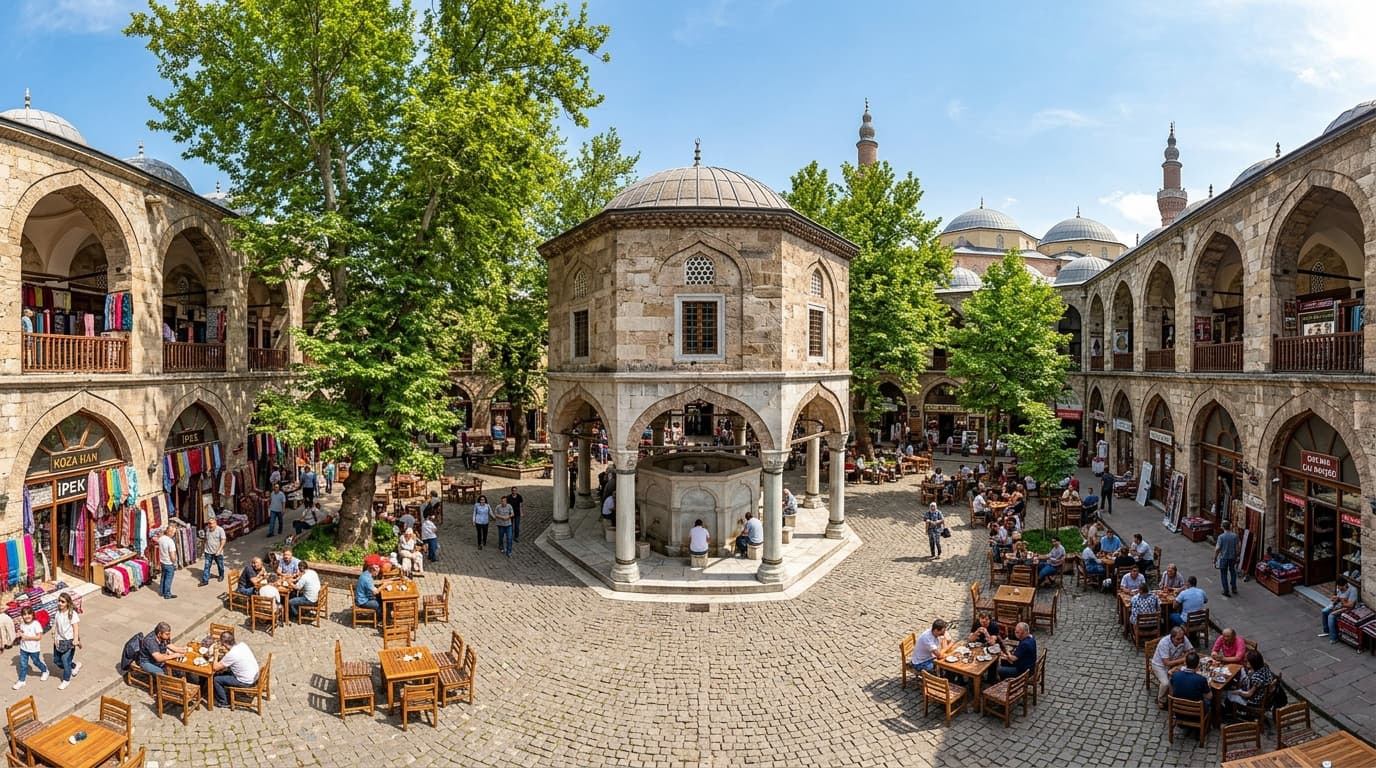
Osmangazi Travel Guide: The Heart of History, Inns and Sultan Complexes
Discover Osmangazi, the historical backbone of Bursa, the first capital of the Ottoman Empire, step by step: A complete travel guide from the Ulu Mosque to the Khans District, from the slopes of Tophane to the Muradiye Social Complex.
Registered Gastronomy in Osmangazi
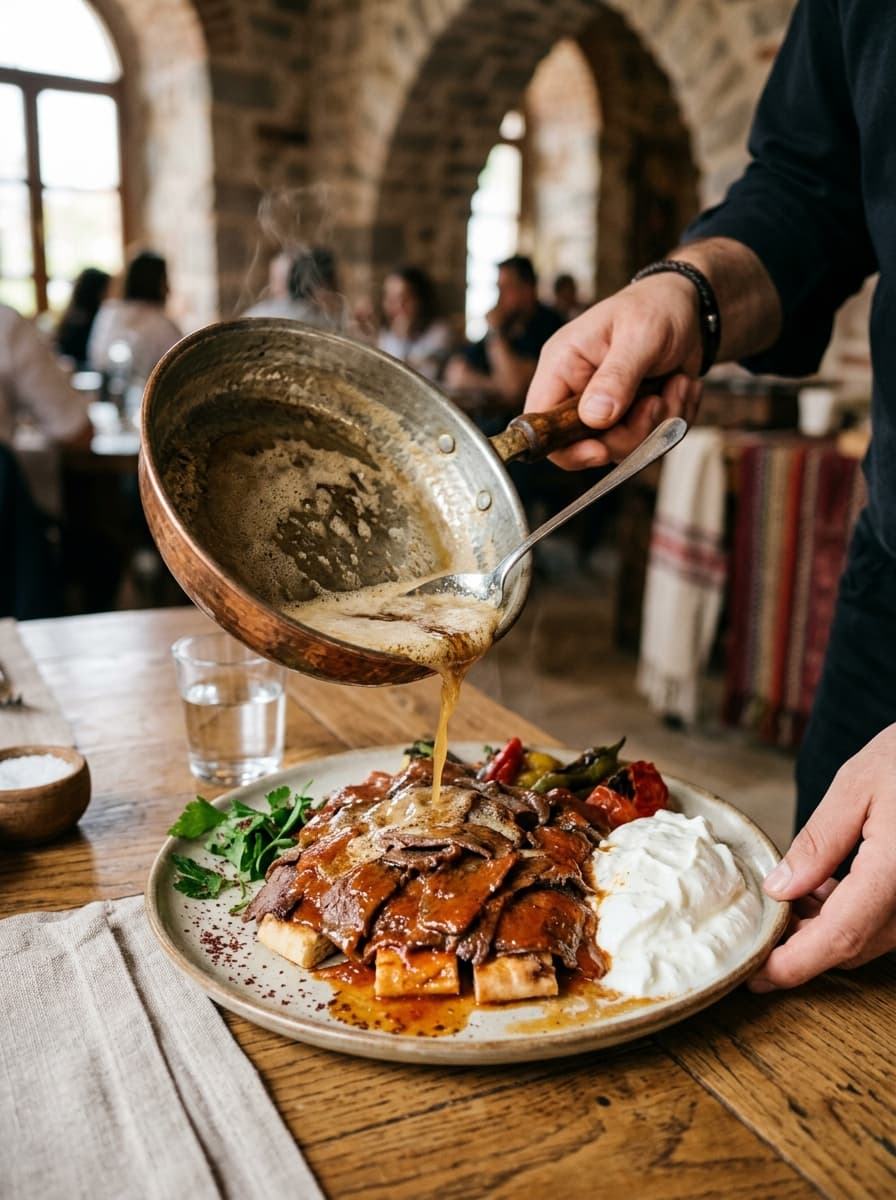
Authentic Bursa Iskender Kebab
Kebapçı İskender (Historic Blue Shop, Heykel), Kebapçı Hüseyin (Alacahırka), Kebapçı İsmail (Kayhan)
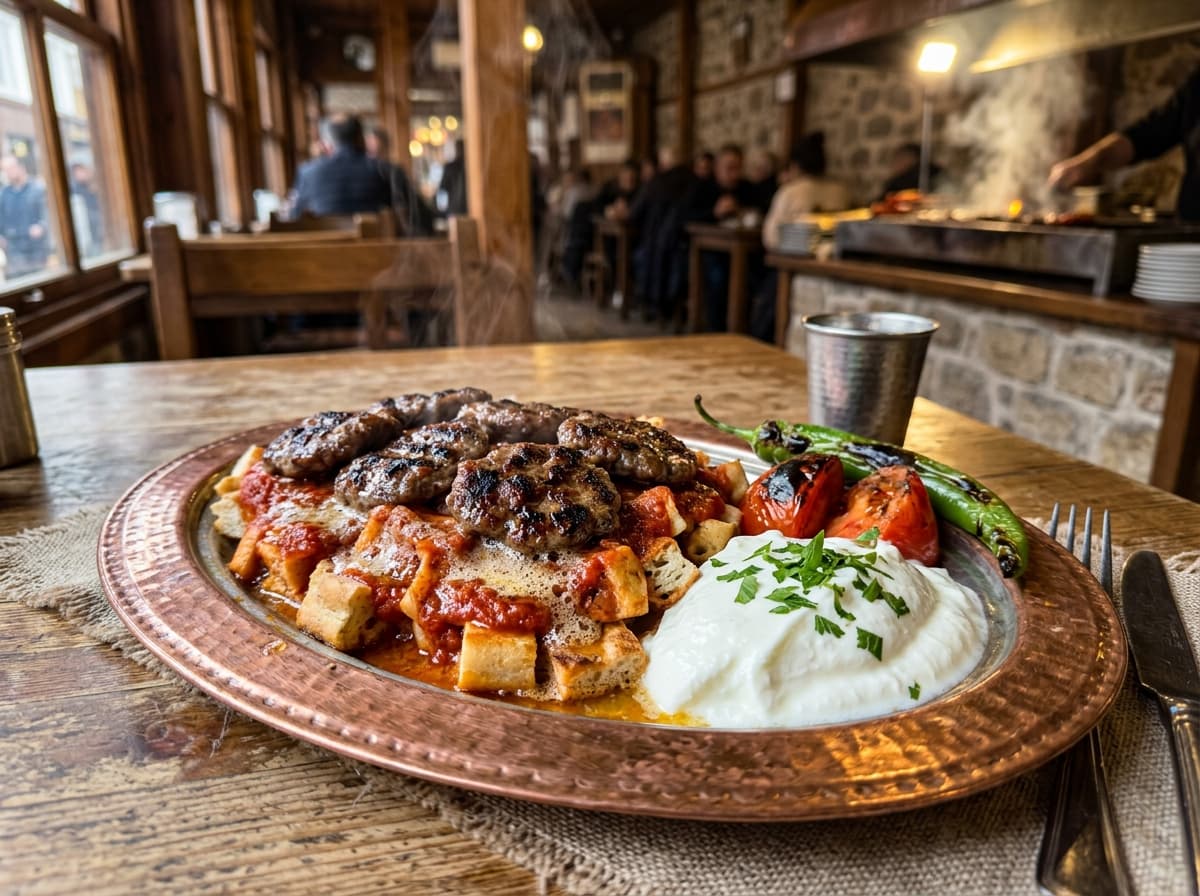
Bursa Meatballs on Flatbread (Pideli Köfte)
Historic Kayhan Bazaar (Hacı Bey, Köfteci Yeşil, İdris)
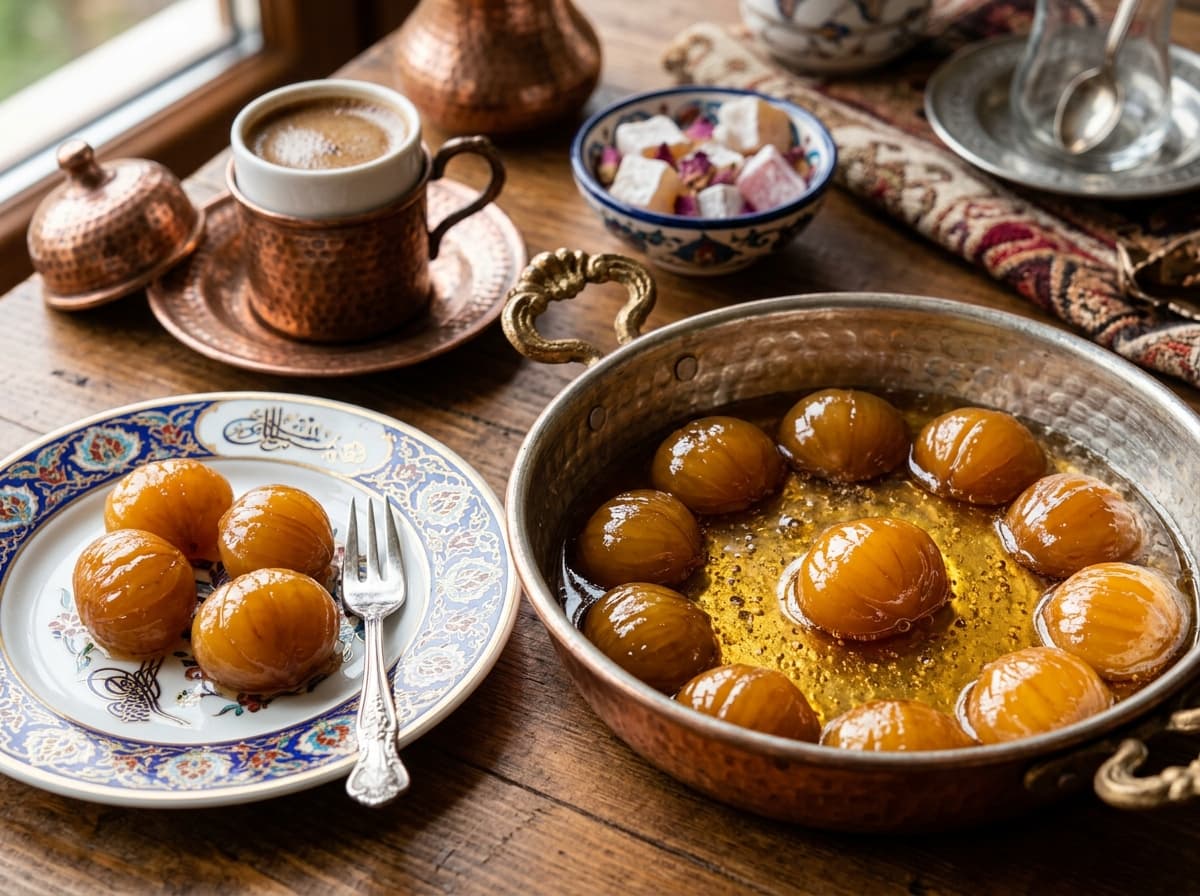
Bursa Candied Chestnuts (Marron Glacé)
Kafkas (Atatürk Cad.), Kardelen Kestane Şekeri, Ali Uzun (Grand Bazaar)
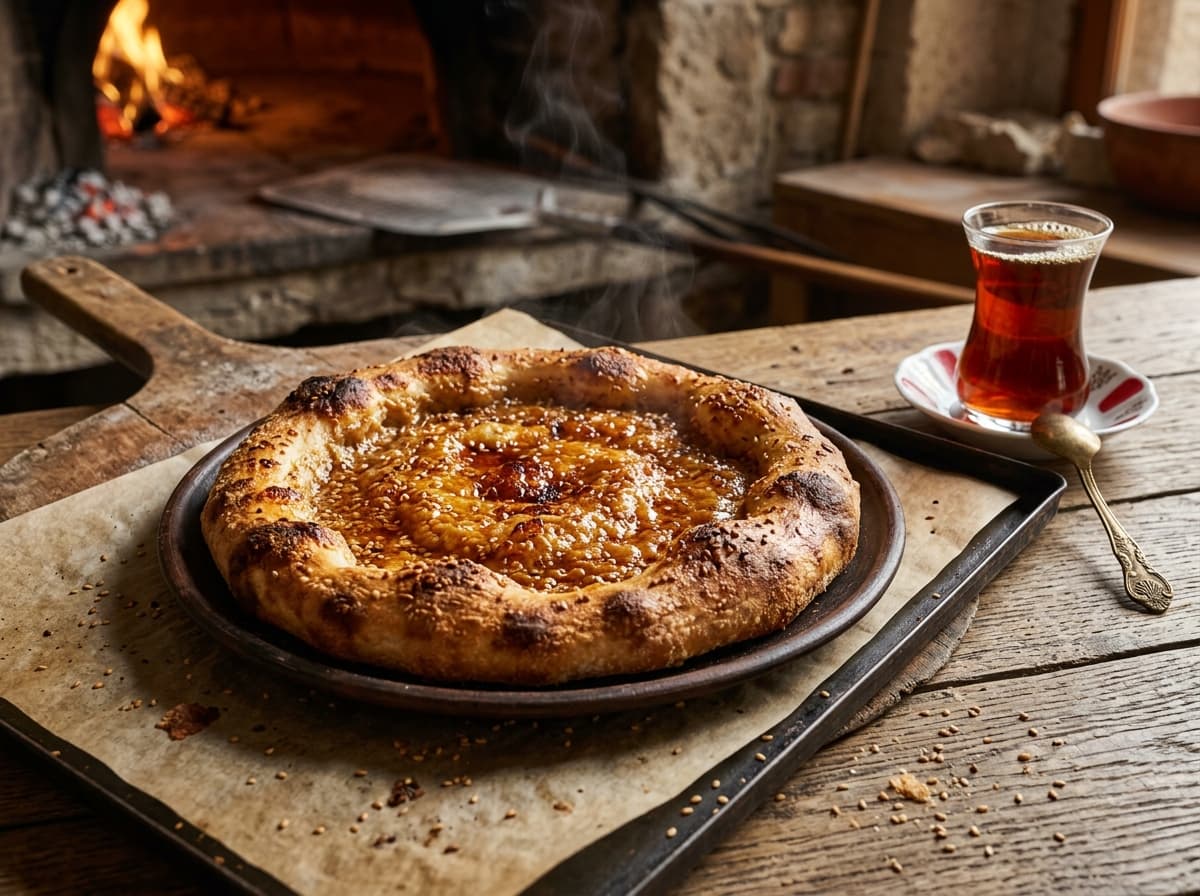
Bursa Tahini Flatbread ('Tahanlı')
Tarihi Abdal Fırını (Abdal Square), İnanç Fırını (Muradiye)

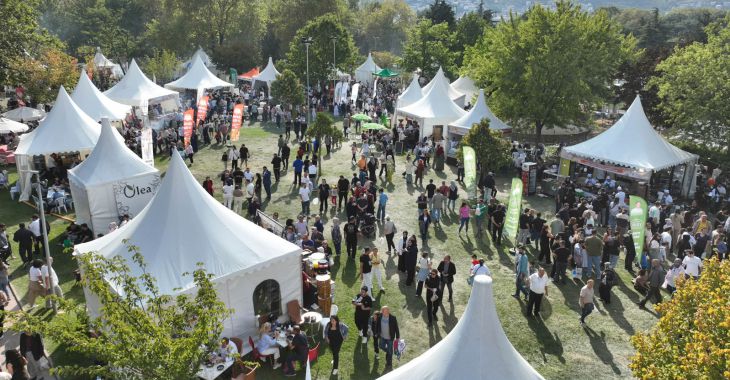

Historical Bursa Grand Bazaar & Bedesten
Visitor Information
What to Do in 2 Hours Around Historical Bursa Grand Bazaar & Bedesten
A curated step-by-step pedestrian itinerary to explore the historic neighborhood effortlessly.
Historical Bursa Grand Bazaar & Bedesten
40 min visit, architectural highlights and photo stop
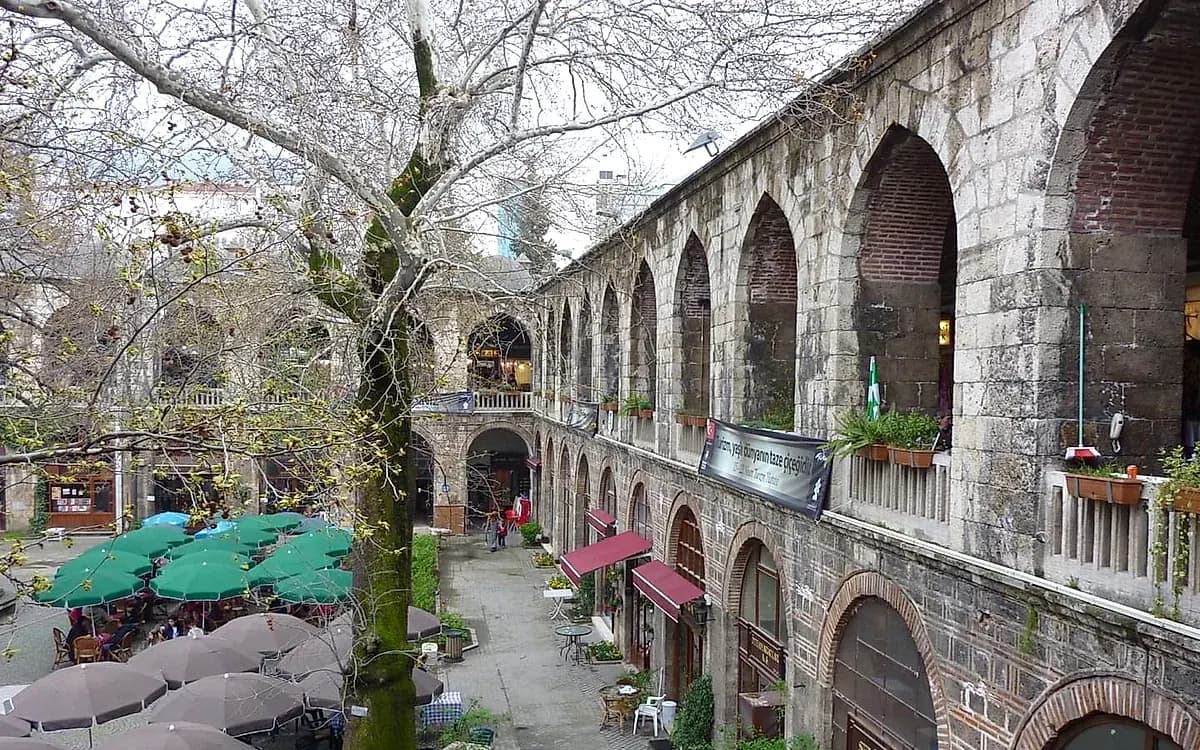
Historical Koza Han (Silk Bazaar)
Built in 1491 by Ottoman Sultan Bayezid II, Historical Koza Han is the most magnificent Western terminus of the Silk Road in Anatolia, featuring a peaceful shaded courtyard, an octagonal elevated kiosk mosque on eight marble pillars, and 95 merchant rooms celebrating centuries of Bursa silk heritage.
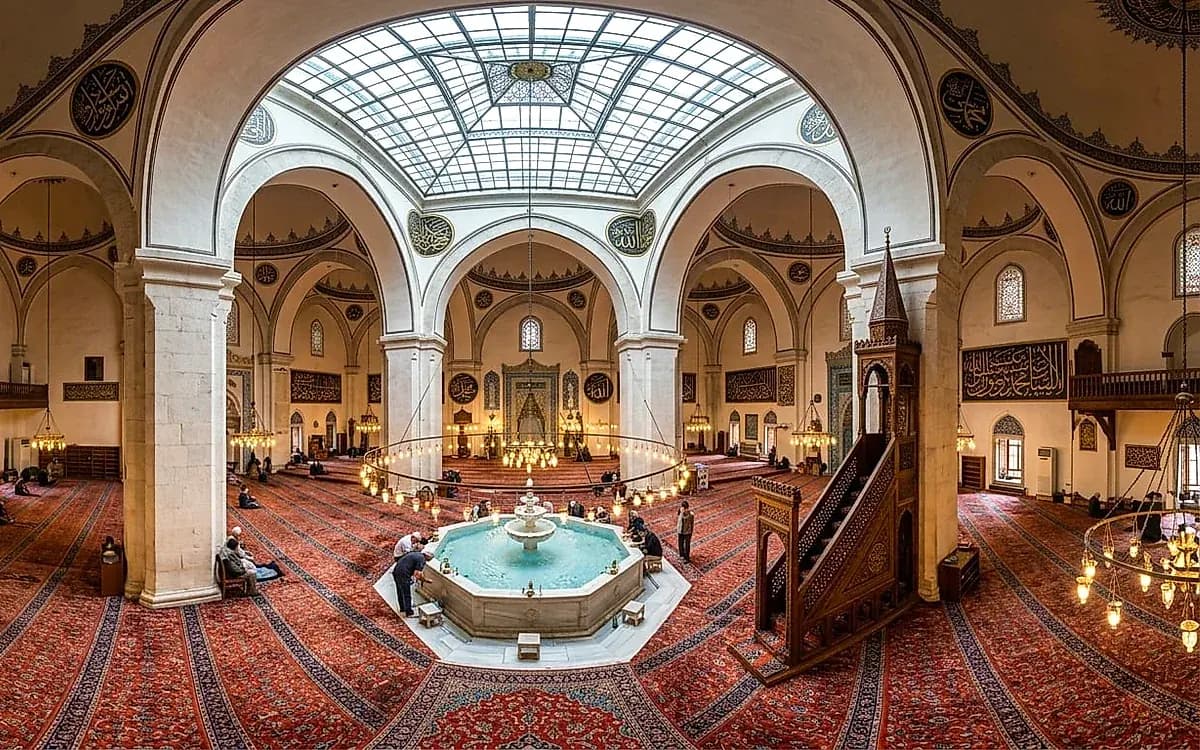
Bursa Grand Mosque (Ulu Cami)
Commissioned in 1399 by Ottoman Sultan Bayezid I following the Battle of Nicopolis, the Grand Mosque of Bursa (Ulu Cami) is the pinnacle of multi-domed hypostyle Ottoman architecture, featuring 20 monumental domes, an indoor marble fountain under an open skylight, an interlocking nail-less walnut minbar depicting the Solar System, and 192 magnificent calligraphic murals.
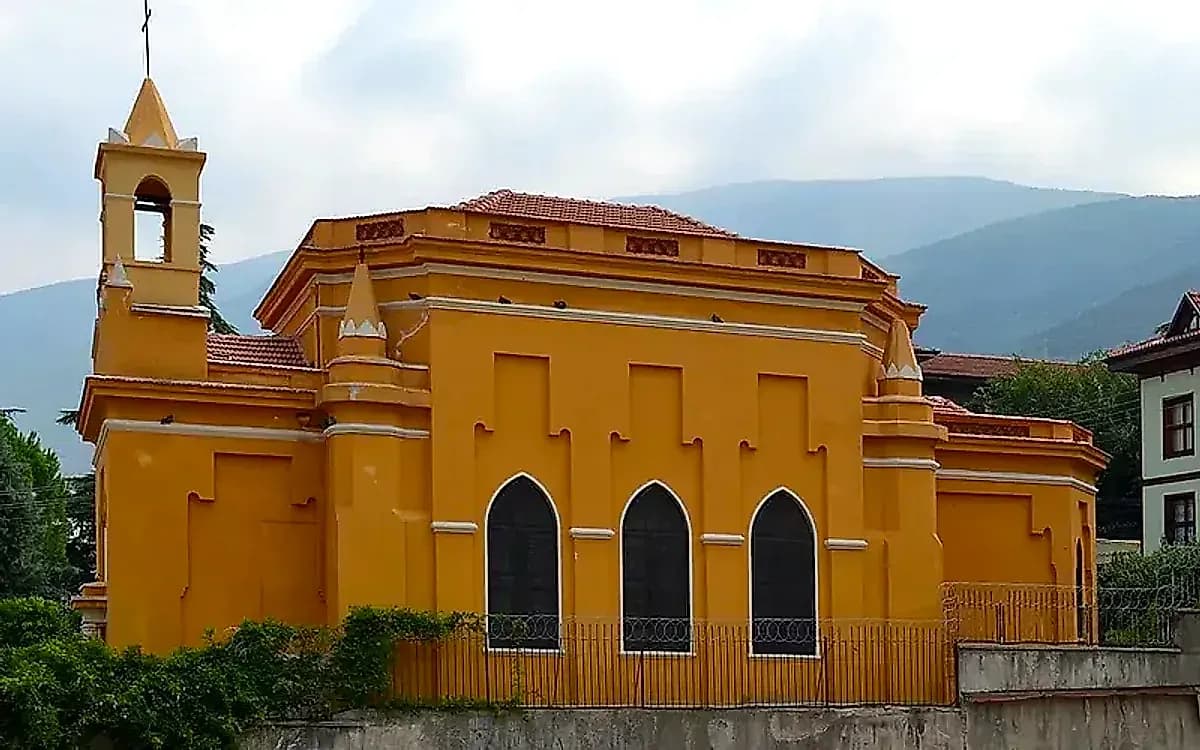
French Protestant Church
Located in Osmangazi, Fransız Protestan Kilisesi represents Bursa's heritage of tolerance and multicultural architectural beauty.
Authentic Bursa Iskender Kebab
Savor traditional Authentic Bursa Iskender Kebab or authentic Turkish coffee in a historic courtyard (20 min).
Other Recommended Attractions in and around Osmangazi
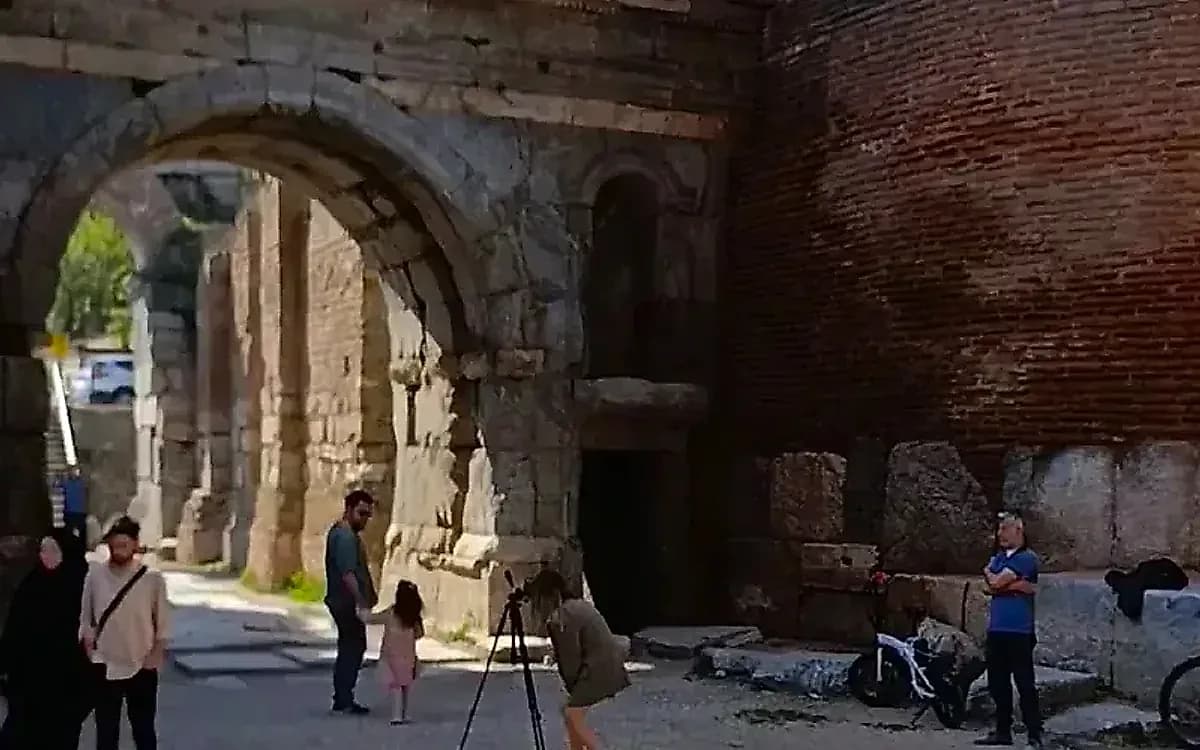
Greece - Turkey Friendship and Peace Tree
A meaningful living monument in Bursa symbolizing eternal friendship and peace between Turkish and Greek nations. Located in Osmangazi, it reflects the city's rich heritage of tolerance and cultural dialogue.
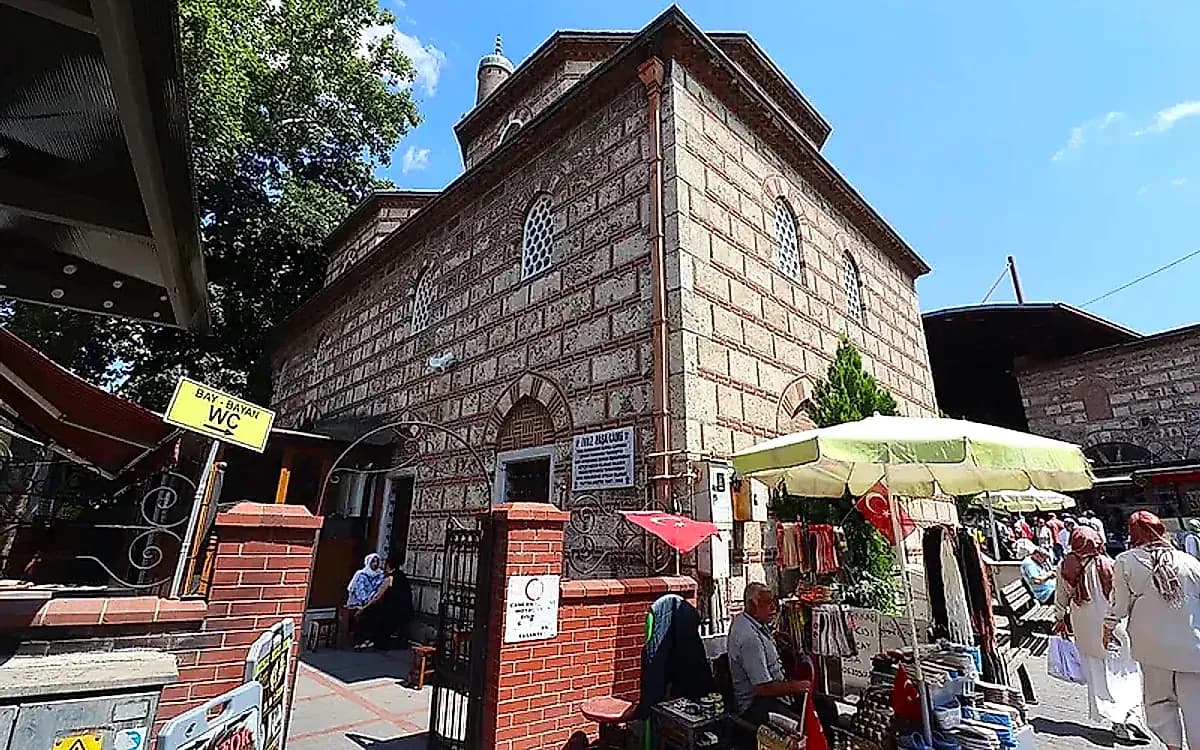
Ahmet Vefik Pasha Hospital (Muradiye Memleket Hospital)
Set in Osmangazi, Ahmet Vefik Paşa Hastanesi (Muradiye Memleket Hastanesi) offers scenic greenery, peaceful walking tracks, picnic spots, and fresh air for nature enthusiasts.
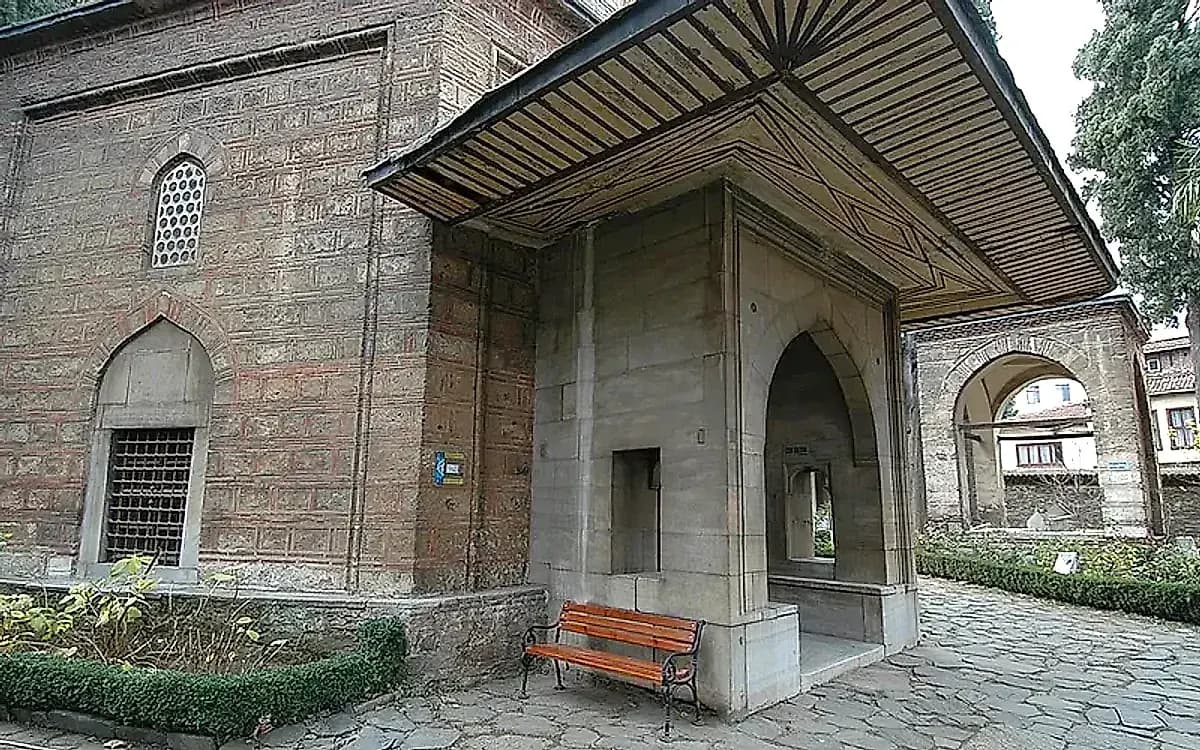
Tomb of Cem Sultan
Set in Osmangazi, Cem Sultan Türbesi offers scenic greenery, peaceful walking tracks, picnic spots, and fresh air for nature enthusiasts.
Hotels Area Ski House
Set in Osmangazi, Oteller Bölgesi Kayak Evi offers scenic greenery, peaceful walking tracks, picnic spots, and fresh air for nature enthusiasts.