
Emir Sultan Mosque and Complex: Bursa's Spiritual Heart, Baroque Courtyard & Guide
1. Essential Facts and Quick Visit Snapshot
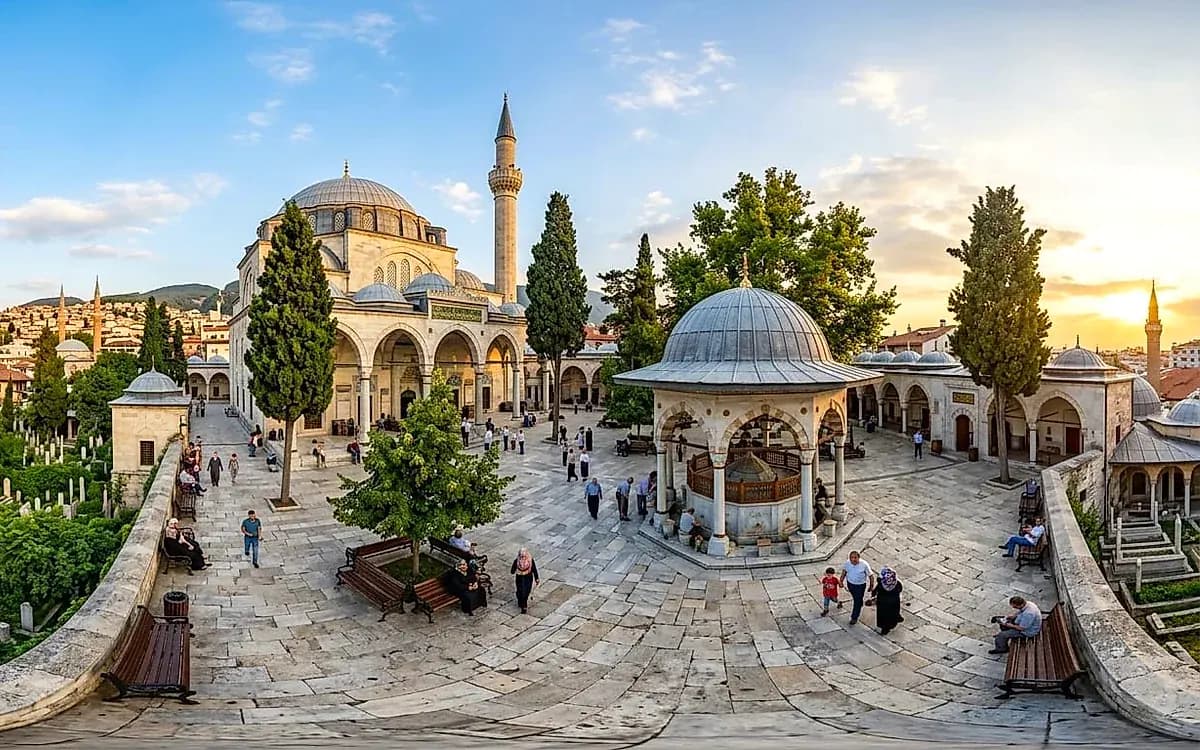
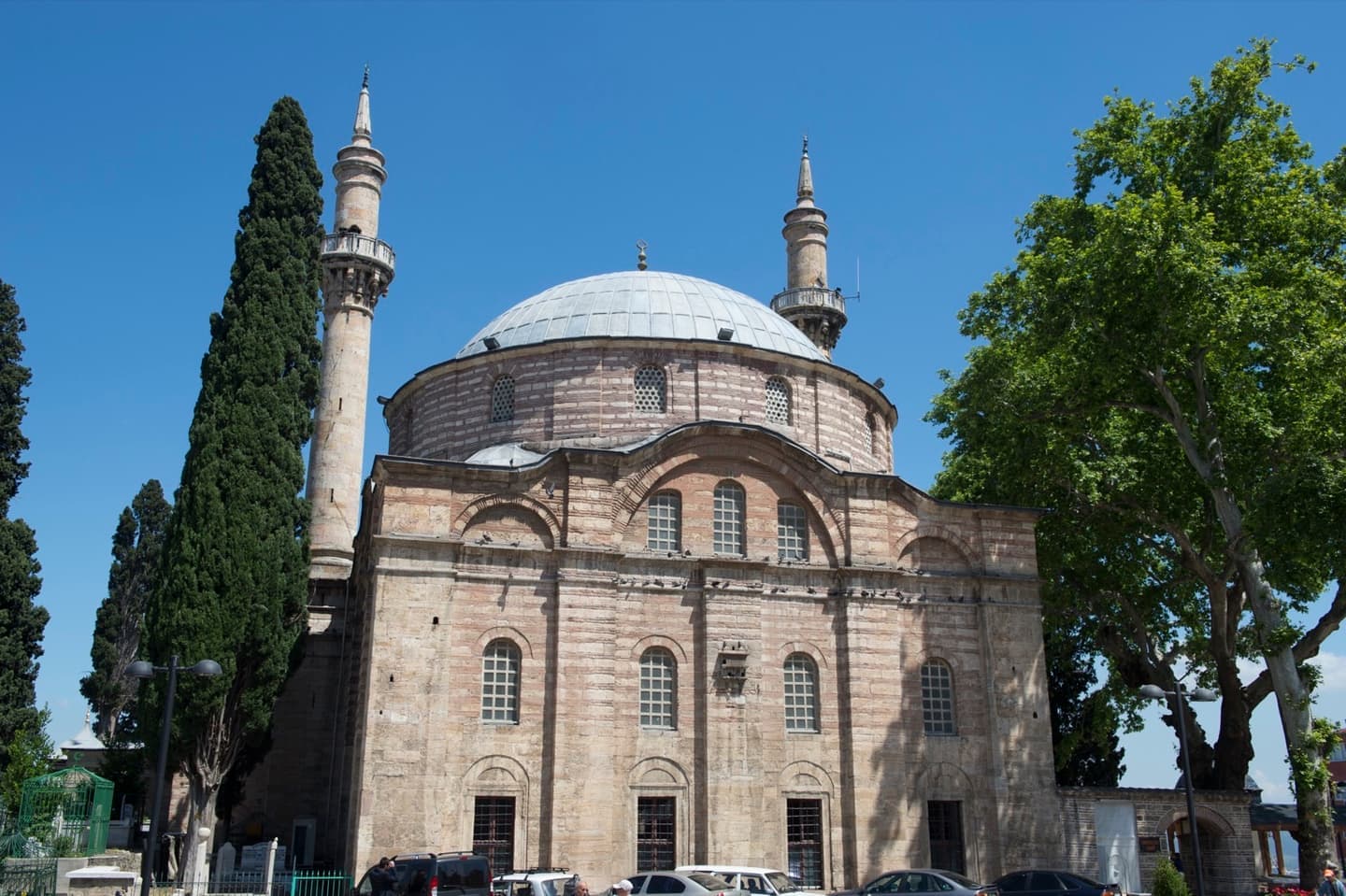
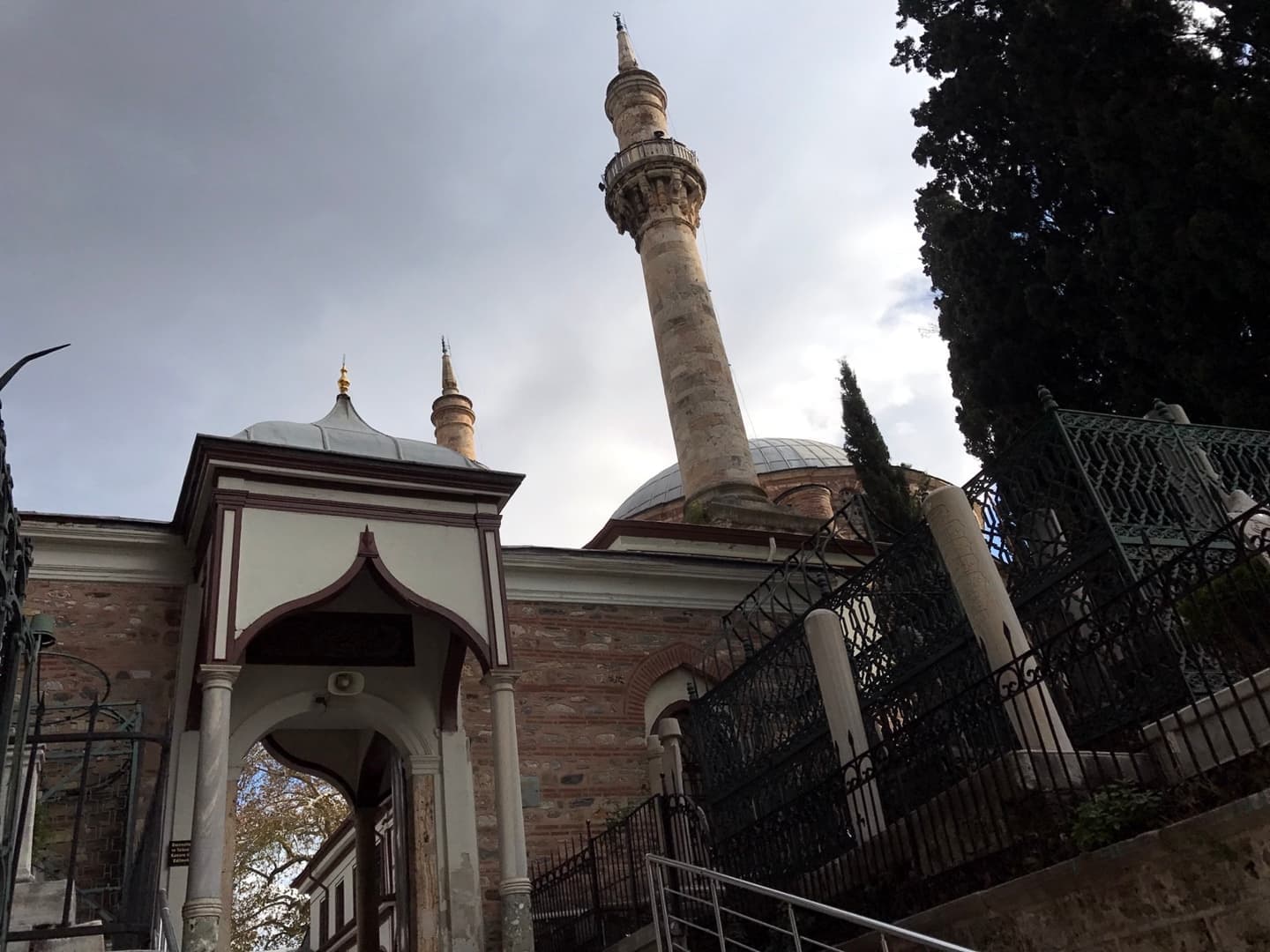
Emir Sultan Mosque and Complex (Emir Sultan Camii ve Külliyesi) is Bursa's most revered spiritual sanctuary, established in the early 15th century by Hundi Fatma Hatun, daughter of Ottoman Sultan Bayezid I, in honor of her husband, the renowned Bukhara-born scholar and mystic Seyyid Şemseddin Mehmed (Emir Sultan). Perched atop a hill cloaked in ancient cypresses and plane trees in the Yıldırım district, the complex comprises the mosque, the royal mausoleum, an iconic wooden arcaded courtyard with a central marble fountain, historic baths, and an expansive cemetery. Rebuilt in 1804 under Sultan Selim III following the 1766 earthquake, the complex is Turkey's most enchanting masterpiece of Ottoman Baroque and Empire-style architectural synthesis.
| Feature | Details |
|---|---|
| Initial Foundation | Early 15th century (Waqf of Hundi Fatma Hatun) |
| Current Baroque Structure | 1804 (Rebuilt by Sultan Selim III & Sultan Mahmud II) |
| Spiritual Luminary | Seyyid Şemseddin Mehmed bin Ali el-Hüseyni el-Buhari (Emir Sultan, 1368–1429) |
| Architectural Style | Ottoman Baroque & Empire with Wooden Arcaded Courtyard |
| Visiting Hours | Mosque: Open daily from dawn to night prayer | Tomb: 08:30 – 19:30 |
| Admission | Free |
2. Who Was Emir Sultan? From Bukhara to the Ottoman Capital
Seyyid Şemseddin Mehmed was born in 1368 in Bukhara (modern-day Uzbekistan), one of the greatest centers of Islamic civilization. Being a direct patrilineal descendant of the Prophet Muhammad through Imam Hussein, he held the honorific title of Seyyid. His father was an artisan potter, which combined with his spiritual station to grant him the enduring moniker "Emir Sultan" (Prince of Saints).
Guided by spiritual dreams to travel west where "three divine candles would burn," he journeyed through Medina and Mecca before settling in Bursa. His profound wisdom won the respect of the imperial court, leading to his marriage with Princess Hundi Fatma Hatun, daughter of Sultan Bayezid I (The Thunderbolt). As a revered royal mentor, Emir Sultan girded the swords of state upon new sultans, including Murad II, imbuing the early Ottoman state with deep ethical and spiritual foundations. He passed away in the great plague of 1429.
3. Foundation and Evolution: The Baroque Masterpiece of 1804
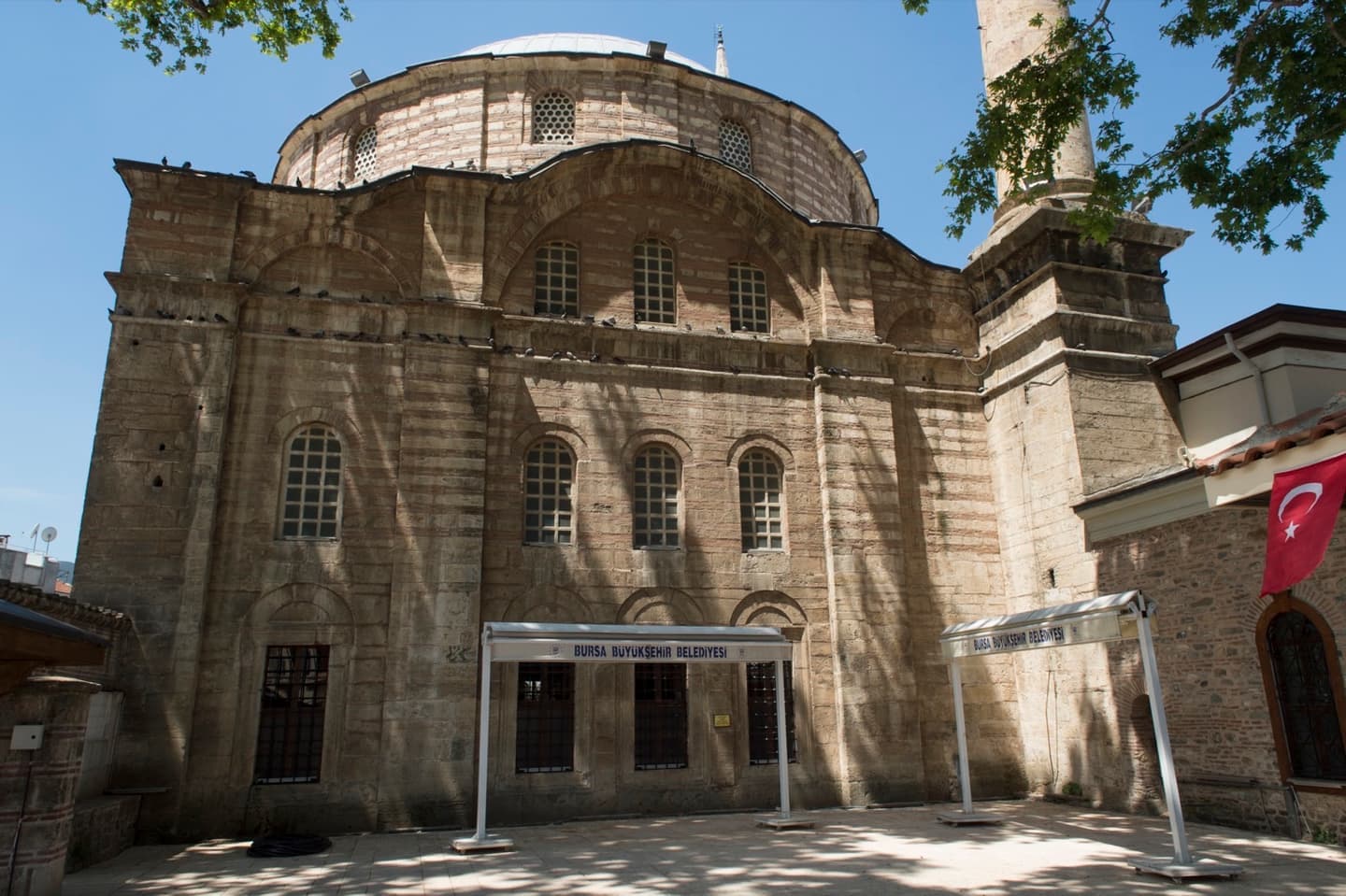
The original 15th-century complex fell into grave ruin after the catastrophic 1766 Marmara earthquake. Recognizing its profound spiritual significance, Sultan Selim III commissioned an entirely new mosque on the site in 1804, adopting the reigning Istanbul Baroque style. Further enriched under Sultan Mahmud II in 1845 with ornate woodwork and porticoes, the sanctuary took on its current poetic appearance.
4. Architectural Magnificence: The Wooden Arcaded Courtyard
Emir Sultan differs strikingly from traditional stone-arched imperial complexes. Its most breathtaking feature is the spacious elevated courtyard:
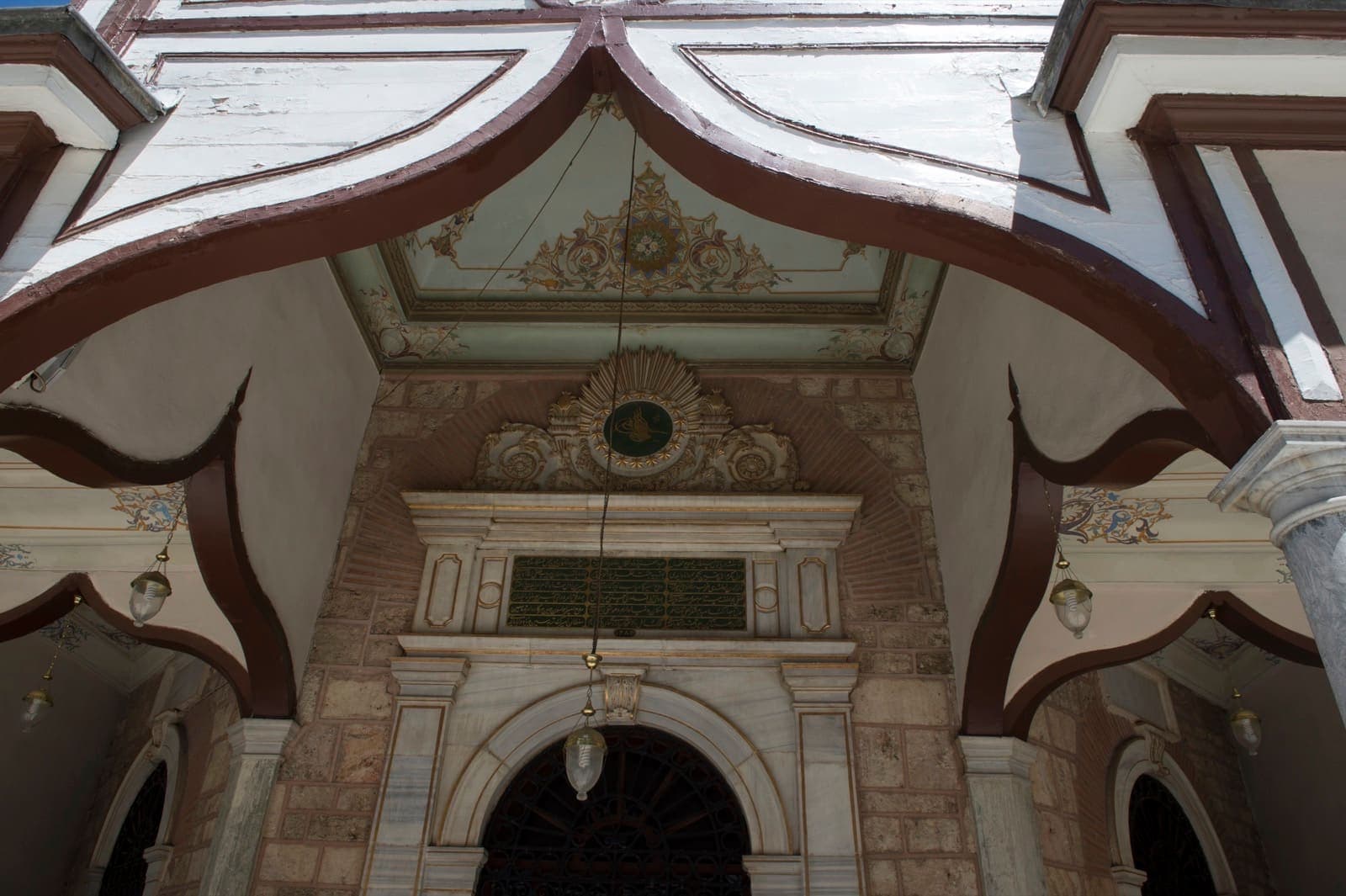
- Wooden Porticoes: Slender timber pillars support undulating baroque eaved wooden arcades that encompass both the mosque and the tomb, creating an intimate, cloistered garden sanctuary.
- Central Marble Fountain (Şadırvan): At the center of the flagstoned court rests a lovely octagonal marble basin with gentle water jets. The soothing murmur of running water and the fluttering of doves define the contemplative mood of the sanctuary.
- The Prayer Hall: A luminous single dome rests on an octagonal drum, bathed in light from tall baroque arched windows. Rococo plaster moldings and gilded inscriptions highlight the interior's imperial grace.
5. The Mausoleum of Emir Sultan (Yeşil Türbe Connection)
Across the court from the mosque lies the Emir Sultan Tomb, celebrated as the second most visited pilgrimage site in Turkey after Istanbul's Eyüp Sultan. Behind gilded bronze grilles rest the green-cloth-covered sarcophagus of Emir Sultan, alongside those of his wife Hundi Hatun, their son Seyyid Ali, and two daughters. The atmosphere within is one of profound prayer, serenity, and devotion.
6. The Historic Cemetery: Cypresses and Stone Poetry
Surrounding the hilltop slopes is the historic Emir Sultan Cemetery, where Ottoman grand viziers, pashas, dervishes, and poets sought burial close to the saint. Featuring exquisitely carved headstones topped with turbans, dervish hoods, and floral crests, it was celebrated by master author Ahmet Hamdi Tanpınar as a place where "time flows toward eternity beneath the green cypresses."
7. Visitor Guidelines and Etiquette
- Best Timing: Weekday mornings (08:30–11:00) provide a quiet atmosphere for peaceful photography. Expect heavy crowds on weekends, Thursday afternoons, and holy nights (Kandil).
- Dress Code: Modest attire is strictly required. Women must cover their heads and shoulders, and shorts above the knee are prohibited for all visitors. Free scarves and wraps are provided at the entrance.
- Tomb Etiquette: Maintain quiet reverence; touching or tying ribbons to the bronze grilles is prohibited by Islamic customs.
8. Transportation and Heritage Pairing
Located on the eastern crest of Bursa, the complex is easily accessible:
- Public Transit: Take municipal buses (1/A, 1/E, 6/A) or direct dolmuş vans from Heykel or Kent Meydanı straight to the "Emirsultan" square.
- Walking Itinerary: A pleasant 10-minute downhill walk brings you directly to Green Mosque and Green Tomb (Yeşil Külliyesi), from which you can cross the historic Irgandı Bridge toward Grand Mosque (Ulu Cami) and Koza Han.
- Local Treats: Sample warm cantık bread and sesame simit at the village bakery, or savor delicious Bursa Pideli Köfte and candied chestnuts (Kestane Şekeri) along your route.
Insider Tip
"It is only a 10-minute walk from Green Tomb to Emir Sultan. Combine these two spiritual points on the same route and feed the pigeons under the grand plane trees in the mosque courtyard."
Bursamız Local Guide Notes
Google E-E-A-T Verified Visitor Experience & Insights
Selin Karaca
Kültür, Sanat & Yaşam Yazarı • Kültür Masası Şefi
Bursa'nın köklü festivalleri, tiyatro sahneleri, müzeleri ve sanat etkinliklerini yakından takip eden sanat tarihçisi ve gazeteci. Tarihi mekanların kültürel fonksiyonları üzerine yayınlanmış araştırmaları bulunmaktadır.
This content has been prepared in compliance with Bursamız Editorial Standards, cross-verified with official city data.
Photo Gallery
Emir Sultan Mosque and Complex: Bursa's Spiritual Heart, Baroque Courtyard & Guide 360° Virtual Tour & Earth 3D Station
Satellite 3D telemetry, terrain topography, and 360° street panoramas are fully calibrated. Fly in 3D orbit or tour inside step by step.
Add to Your Route & Stamp in Culture Passport
Plan and optimize your Bursa trip on the interactive map; check in on-site via GPS to collect digital stamps and earn the official Bursa City Ambassador award.
Frequently Asked Questions (FAQ)
Who was Emir Sultan and why is he important?
Emir Sultan (Seyyid Şemseddin Mehmed al-Bukhari, 1368–1429) was a revered Islamic scholar and descendant of the Prophet Muhammad from Bukhara. He settled in Bursa, married Princess Hundi Hatun (daughter of Sultan Bayezid I), and served as the spiritual guide and sword-girding mentor to early Ottoman sultans.
Is there an admission fee for Emir Sultan Mosque and Tomb?
No, entrance to both the mosque and the tomb is completely free of charge for all visitors seven days a week.
What are the visiting hours for Emir Sultan?
The mosque opens at dawn with morning prayers and remains accessible until the conclusion of night prayer. The mausoleum is open daily from 08:30 to 19:30 (closing at 18:00 in winter).
Who is buried in the Emir Sultan Mausoleum?
The tomb houses the sarcophagus of Emir Sultan alongside those of his wife Princess Hundi Fatma Hatun, their son Seyyid Ali, and their two daughters.
Why does the architecture look baroque rather than classical Ottoman?
The original 15th-century mosque collapsed in the 1766 earthquake. In 1804, Sultan Selim III commissioned an entirely new structure designed in the prevailing Ottoman Baroque and Empire style, featuring undulating wooden eaves and large arched windows.
What is the relationship between Emir Sultan and the Ottoman dynasty?
He was the son-in-law of Sultan Bayezid I through his marriage to Hundi Fatma Hatun, brother-in-law to Sultan Mehmed I, and spiritual counselor to Sultan Murad II.
Is there a dress code for visitors?
Yes, visitors must dress modestly: shoulders and knees must be covered, and women are required to wear a headscarf. Free coverings are available at the entrance.
How can I reach Emir Sultan by public transport?
You can take dolmuş vans from Heykel or Kent Meydanı labeled 'Emirsultan', or municipal buses 1/A, 1/E, and 6/A, which stop directly at the square.
Is the complex wheelchair accessible?
The internal courtyard is flat marble with ramps leading into the prayer hall. There is a gentle uphill grade from the main square to the entrance gates.
Is parking available near Emir Sultan?
Public street parking and small municipal lots are located near the square, though public transit is strongly recommended during Friday prayers and religious holidays.
How far is Emir Sultan from the Green Mosque (Yeşil Cami)?
It is approximately 800 meters (0.5 miles) away, a pleasant 8-to-10-minute walk through peaceful residential streets.
What makes the historic cemetery notable?
It is Bursa's oldest spiritual burial ground, housing elaborate carved Ottoman tombstones of statesmen, poets, and scholars beneath century-old cypresses.
Can non-Muslims visit the mosque and tomb?
Yes, respectful visitors of all faiths and backgrounds are warmly welcomed outside active prayer services.
When is the best time for photography?
Morning light between 08:30 and 10:30 AM illuminates the wooden porticoes, while late afternoon casts poetic shadows across the marble fountain court.
What food or snacks are recommended nearby?
Enjoy fresh cantık meat pastries and hot sesame simit from square bakeries, sip Turkish tea under the plane trees, or try Bursa Pideli Köfte nearby.
Visitor Information
Explore Yıldırım & Surroundings
Gastronomy, district guides, and latest regional highlights in Yıldırım.
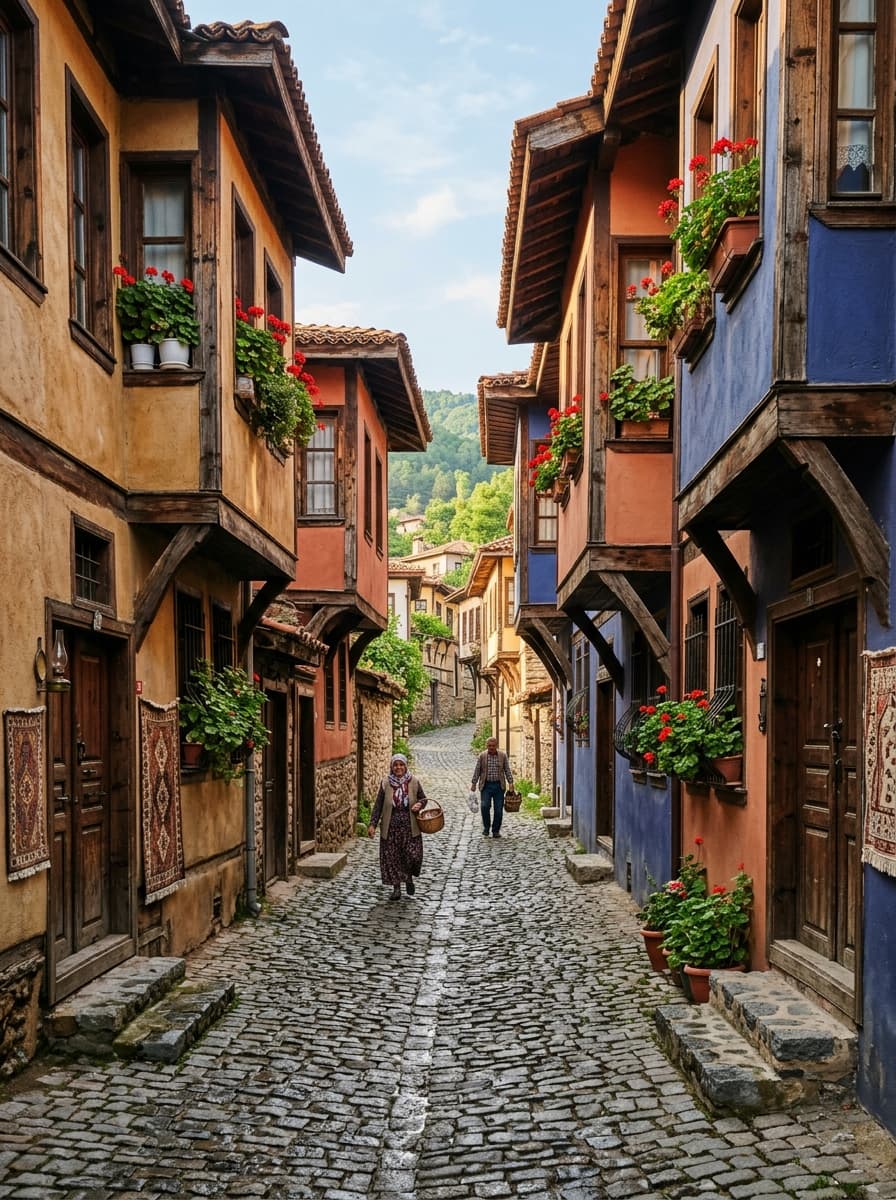
Yıldırım Travel Guide: From Green Complex to 700-Year-Old Cumalıkızık
Yıldırım travel guide with UNESCO World Heritage Cumalıkızık village, Green Complex, the peak of Ottoman tile art, Emirsultan and Cable Car route.
Thematic Travel Routes Featuring This Place
Bursa Travel Guide in 24 Hours: A Perfect Day in the First Capital of the Ottoman Empire
From the spiritual majesty of the Grand Mosque and the silk courtyards of Koza Han to legendary Iskender Kebab and panoramic Mount Uludağ cable car, here is your ultimate 24-hour step-by-step Bursa itinerary.
Bursa Ottoman Heritage and UNESCO Complexes Walking Route
Step-by-step cultural walking itinerary connecting the 5 great imperial sultan complexes, the ancient bazaar district, and the UNESCO village of Cumalıkızık.
Registered Gastronomy in Yıldırım
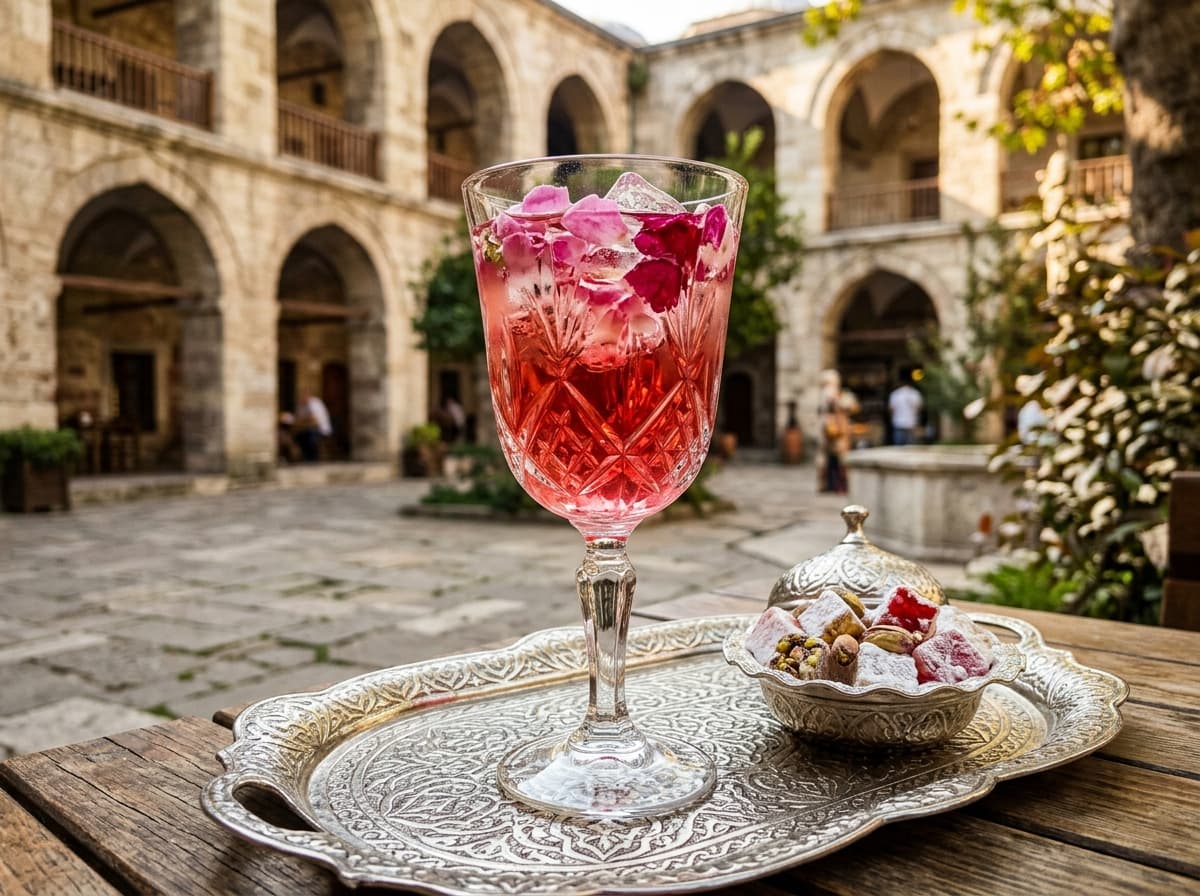
Ottoman Rose & Wild Poppy Cordial
Cumalıkızık UNESCO village mansions, Koza Han courtyard, Darüzziyafe
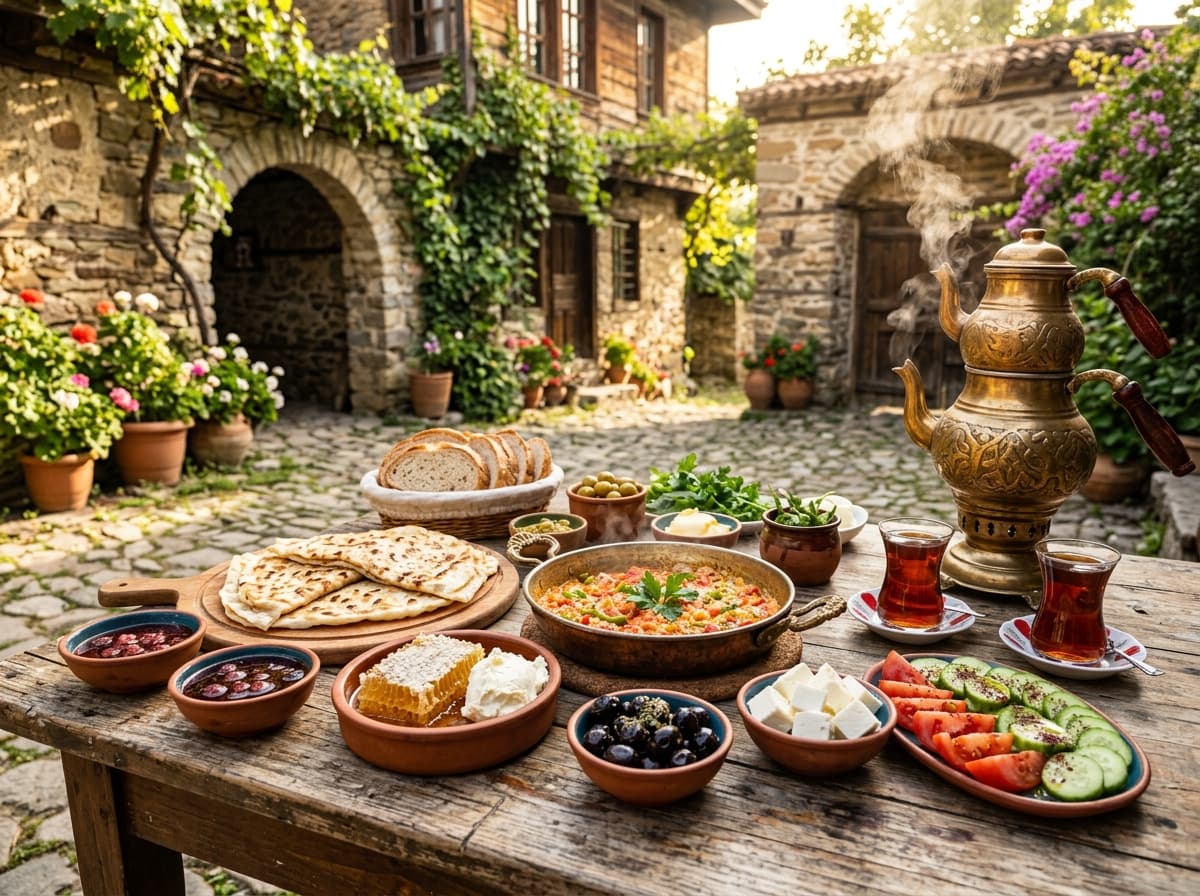
Cumalıkızık UNESCO Village Breakfast
Historic courtyard mansions in Cumalıkızık (Taşev, Bulanlar, Mavi Yıldız)
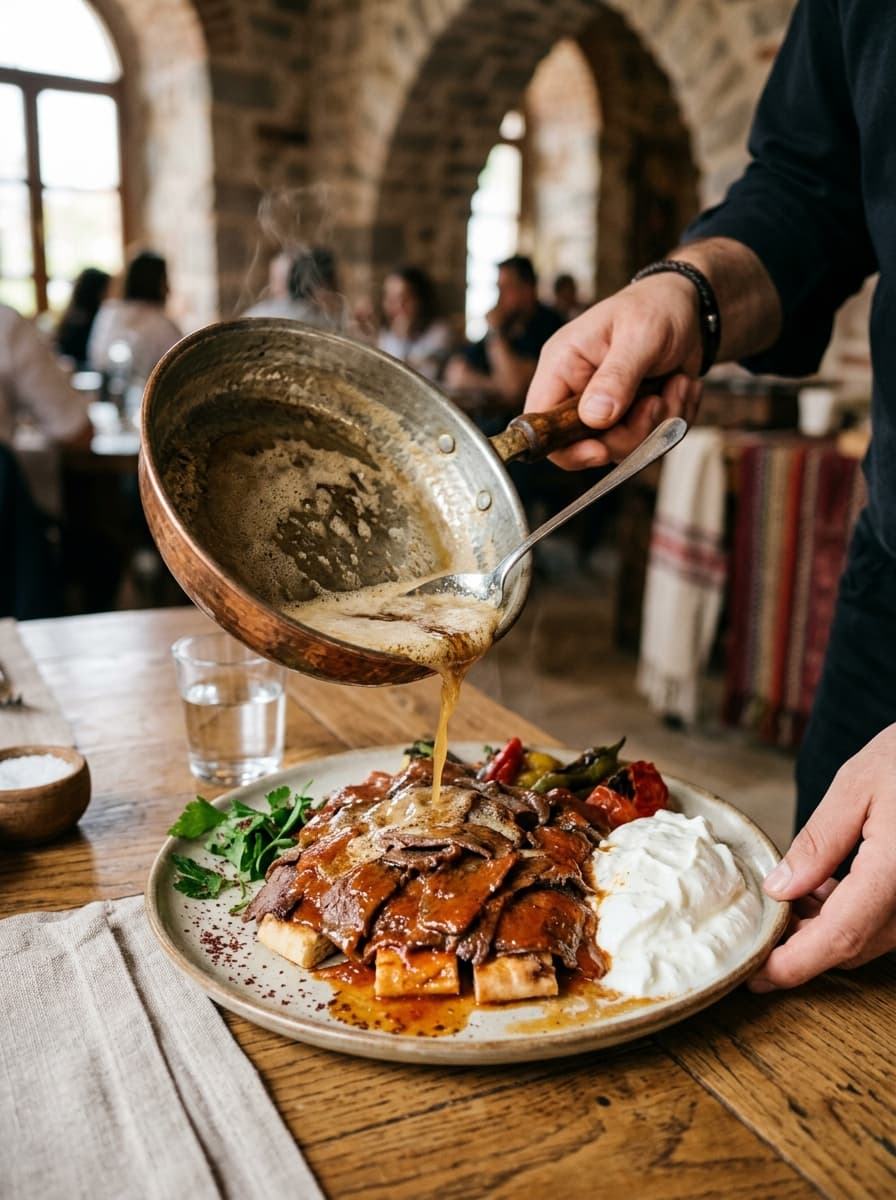
Authentic Bursa Iskender Kebab
Kebapçı İskender (Historic Blue Shop, Heykel), Kebapçı Hüseyin (Alacahırka), Kebapçı İsmail (Kayhan)
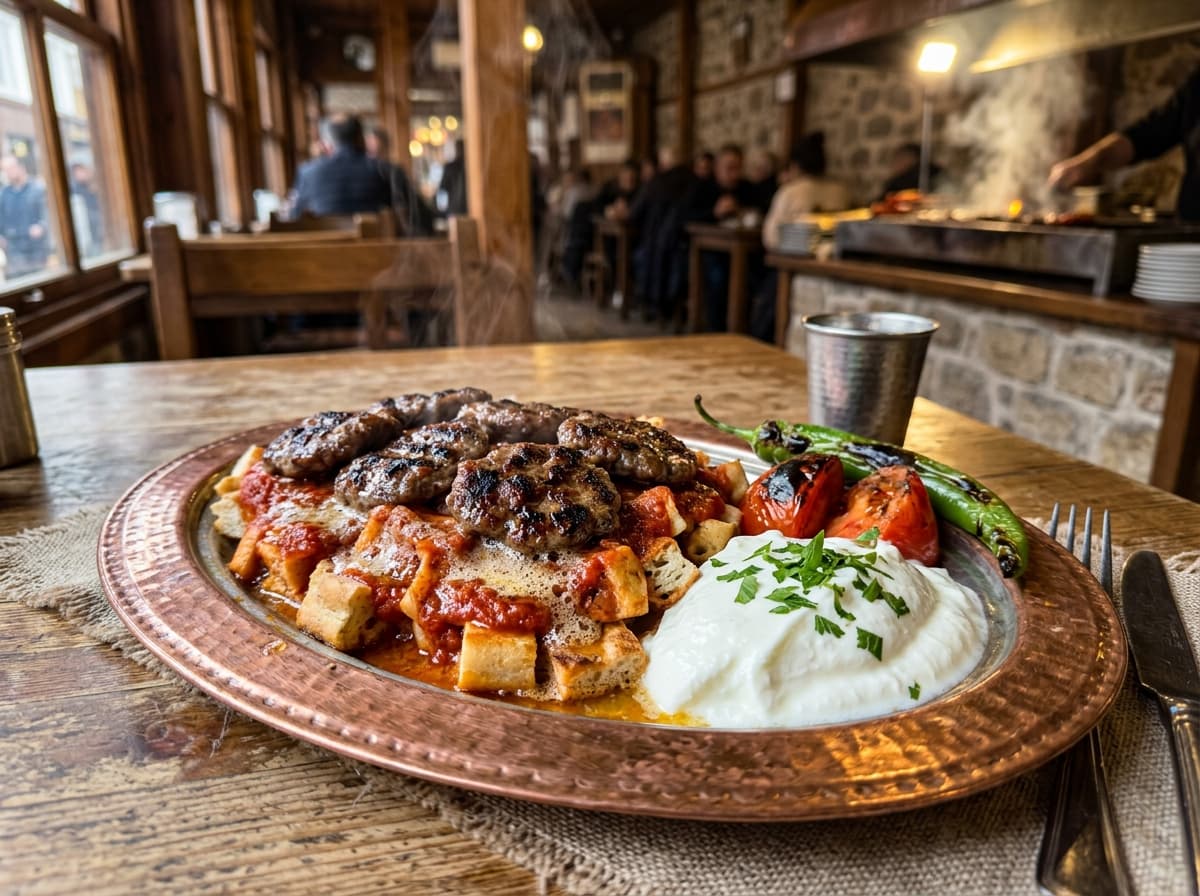
Bursa Meatballs on Flatbread (Pideli Köfte)
Historic Kayhan Bazaar (Hacı Bey, Köfteci Yeşil, İdris)
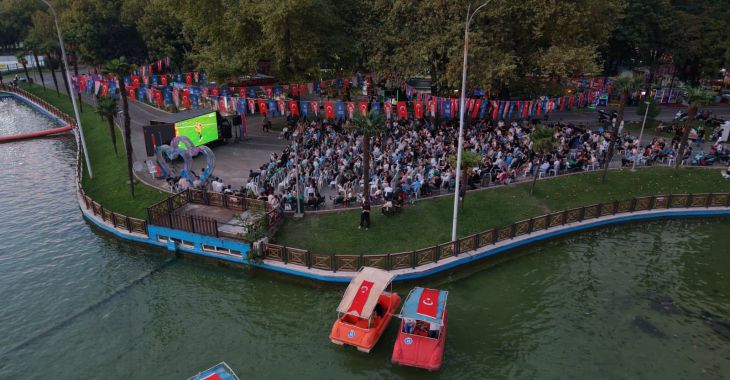
Emir Sultan Mosque and Complex: Bursa's Spiritual Heart, Baroque Courtyard & Guide
Visitor Information
What to Do in 2 Hours Around Emir Sultan Mosque and Complex: Bursa's Spiritual Heart, Baroque Courtyard & Guide
A curated step-by-step pedestrian itinerary to explore the historic neighborhood effortlessly.
Emir Sultan Mosque and Complex: Bursa's Spiritual Heart, Baroque Courtyard & Guide
40 min visit, architectural highlights and photo stop
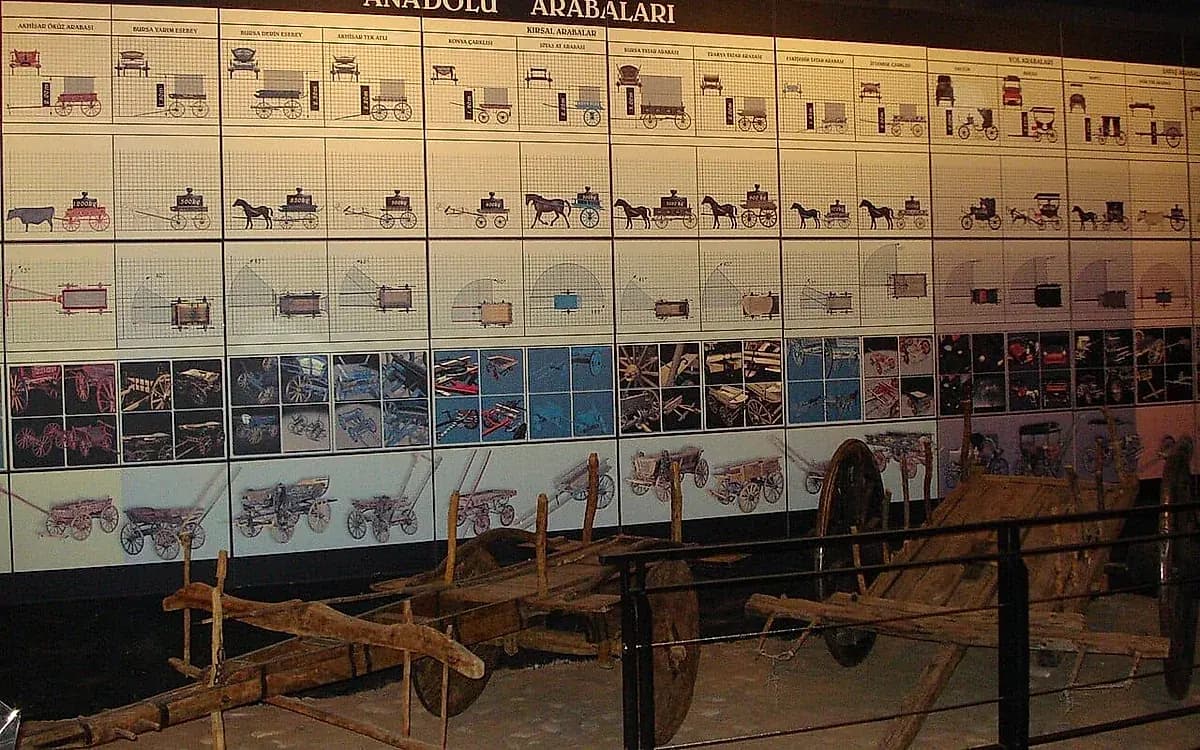
Tofaş Anatolian Carriages Museum & Art Gallery
Set within a restored 17,000 m² silk factory estate, showcasing the 2,600-year evolution of transport from wooden horse-drawn chariots to Turkey's first domestic motor vehicles.
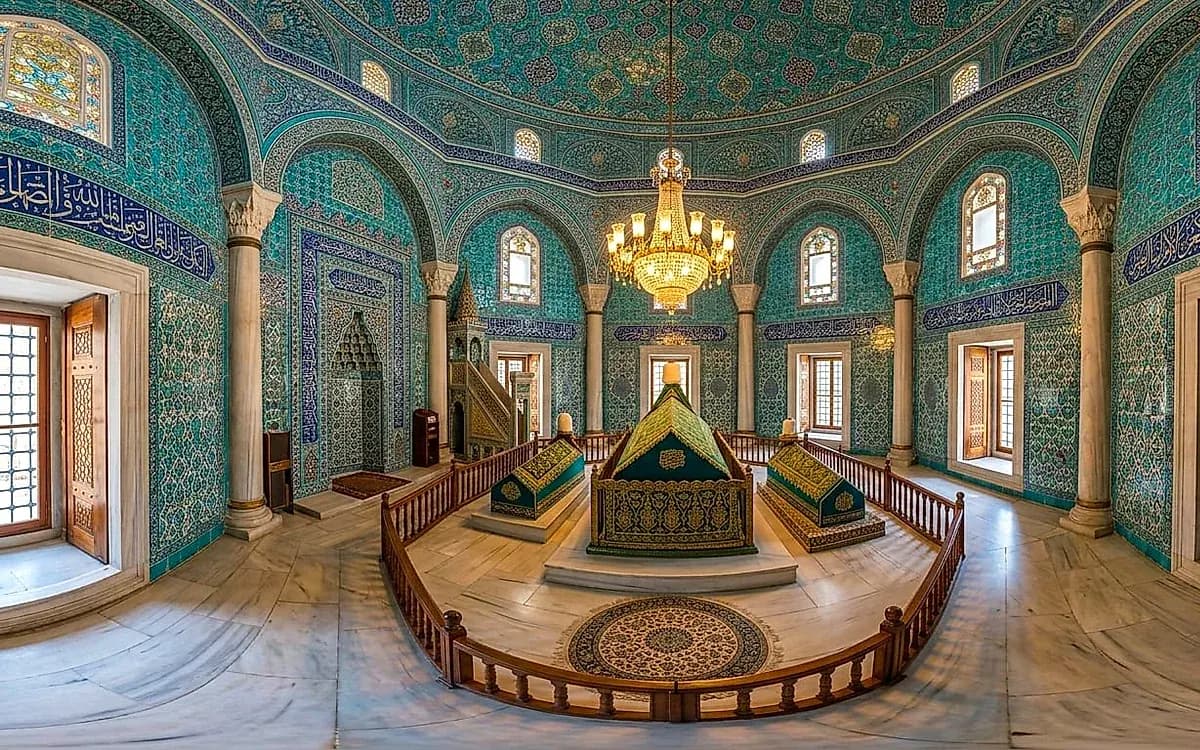
Green Mosque and Green Tomb: Çelebi Mehmed Complex, Tile Art & Visitor Guide
Complete guide to Bursa Green Mosque (Yeşil Cami) & Green Tomb (Yeşil Türbe): Sultan Mehmed I legacy, Hacı İvaz Paşa architecture, cuerda seca tiles, hours & 15 FAQs.
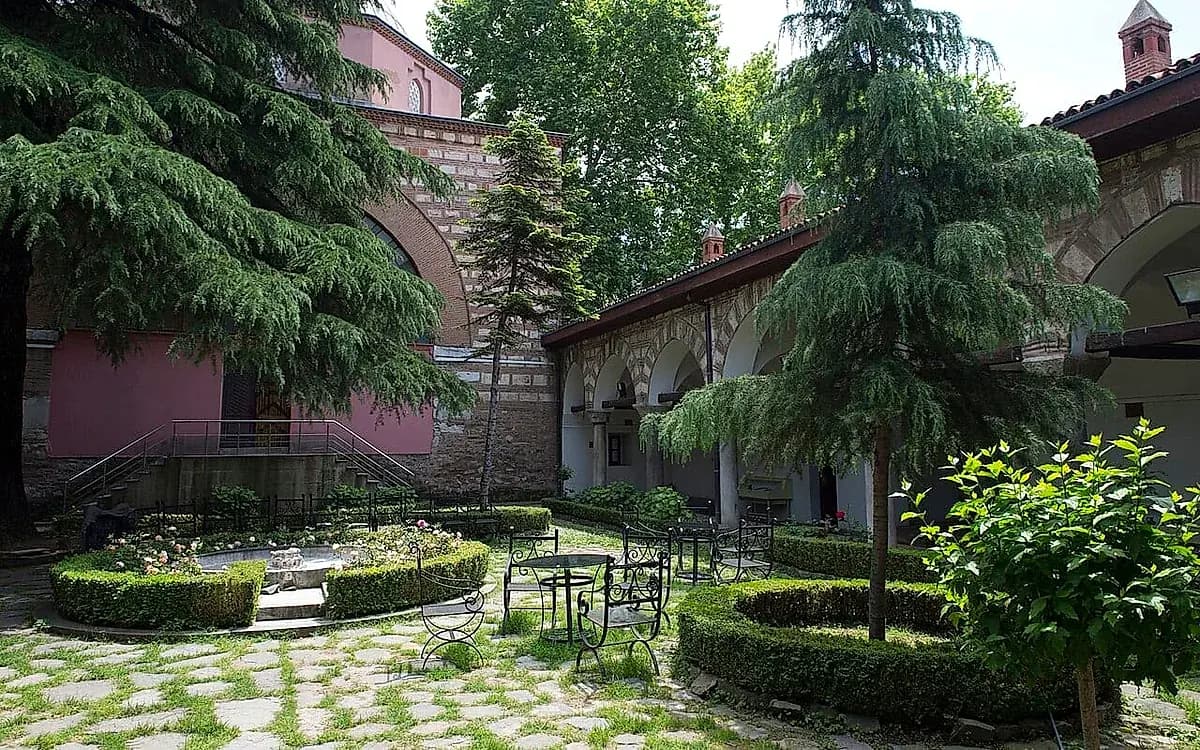
Museum of Turkish and Islamic Arts (Historic Green Medrese)
Located in the 600-year-old Sultaniye Medrese of Sultan Mehmed I across from the Green Tomb, housing priceless Seljuk tiles, Ottoman calligraphy, and religious relics.
Ottoman Rose & Wild Poppy Cordial
Savor traditional Ottoman Rose & Wild Poppy Cordial or authentic Turkish coffee in a historic courtyard (20 min).
Other Recommended Attractions in and around Yıldırım
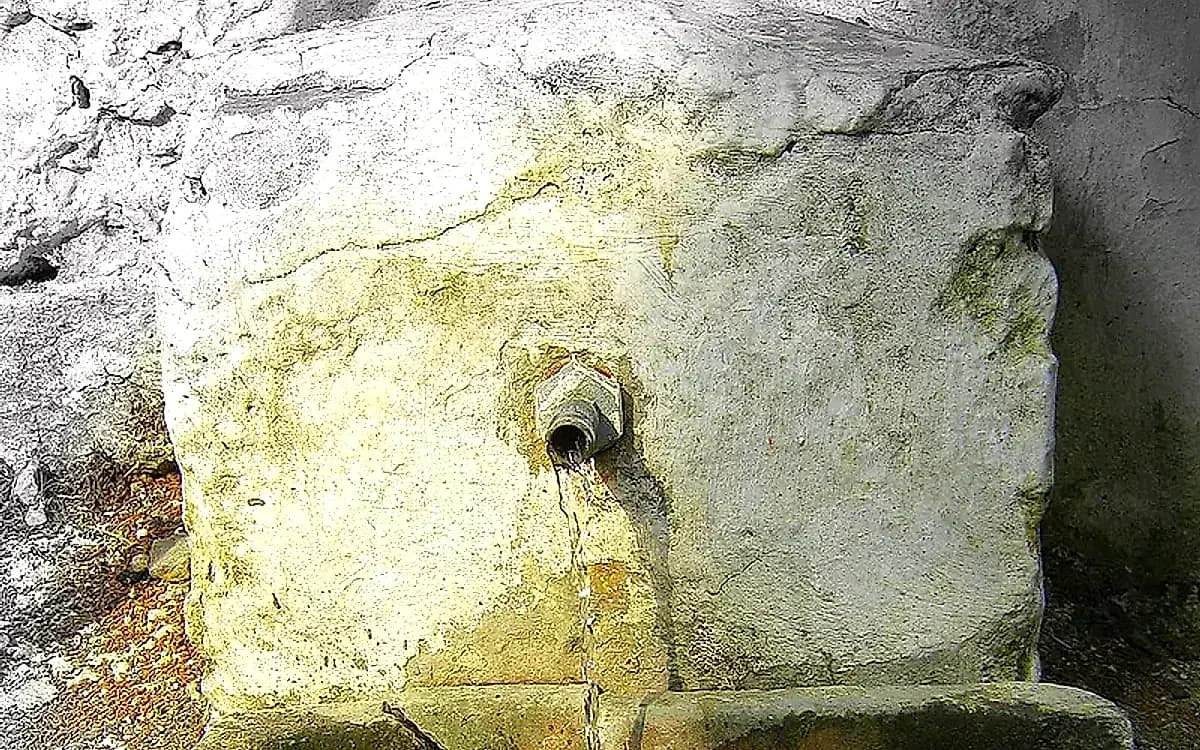
Mümine Şeremet Uyumayan Library
Situated in Yıldırım, Mümine Şeremet Uyumayan Kütüphanesi represents Bursa's rich cultural traditions, timeless architecture, and high standard of community facilities.
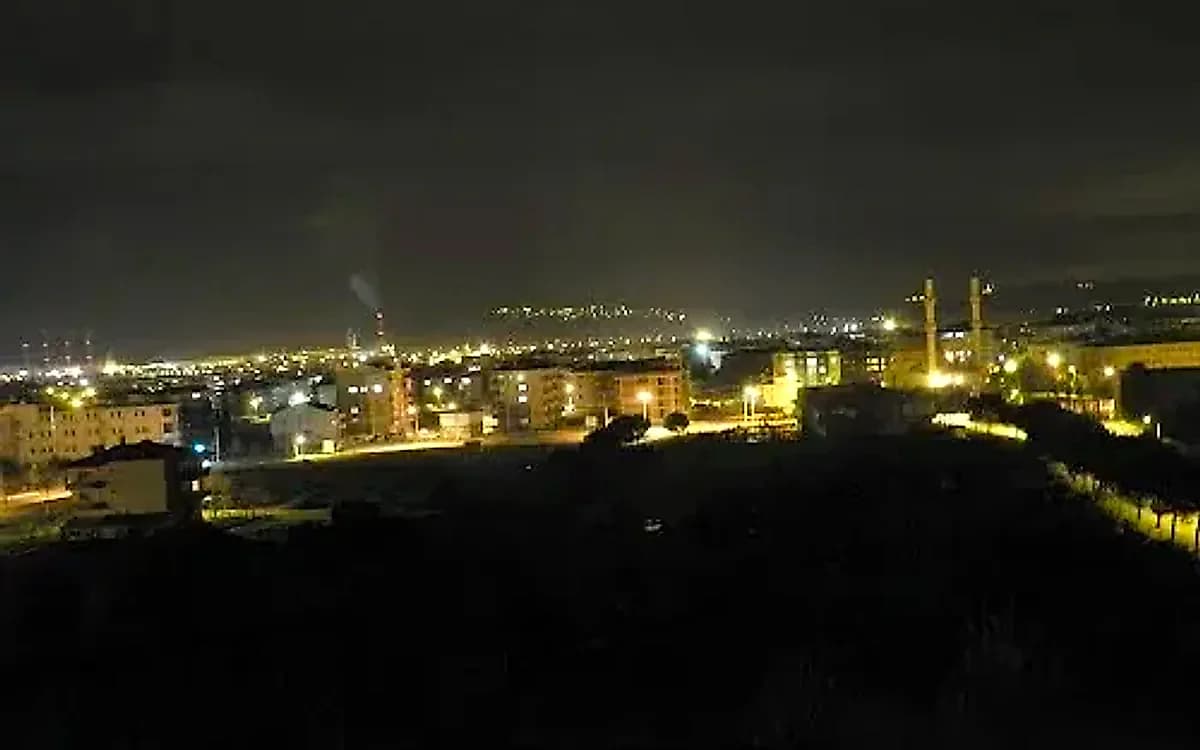
Setbaşı Şehir Library
Situated in Yıldırım, Setbaşı Şehir Kütüphanesi represents Bursa's rich cultural traditions, timeless architecture, and high standard of community facilities.
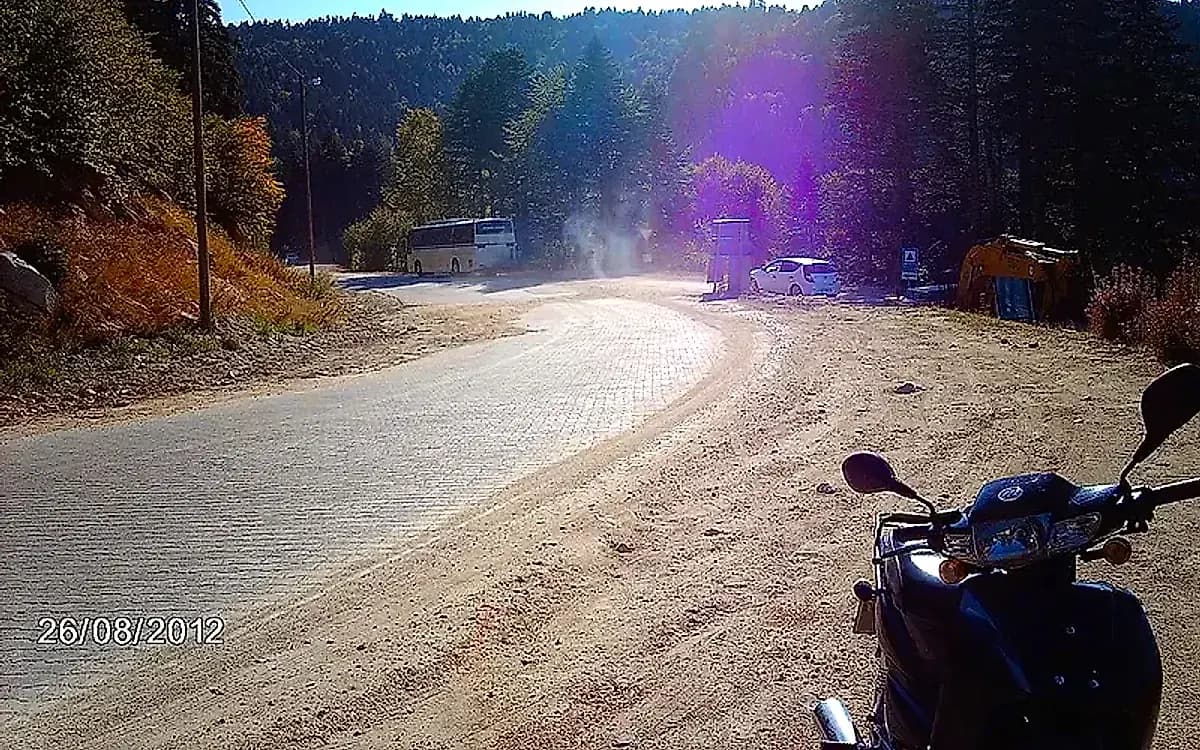
Kafa Sahne
Situated in Osmangazi, Kafa Sahne represents Bursa's rich cultural traditions, timeless architecture, and high standard of community facilities.
DasDas Bursa
Situated in Osmangazi, DasDas Bursa represents Bursa's rich cultural traditions, timeless architecture, and high standard of community facilities.