
Historical Irgandı Bridge: One of the World's 4 Covered Bazaar Bridges
1. Essential Facts and Quick Visit Snapshot
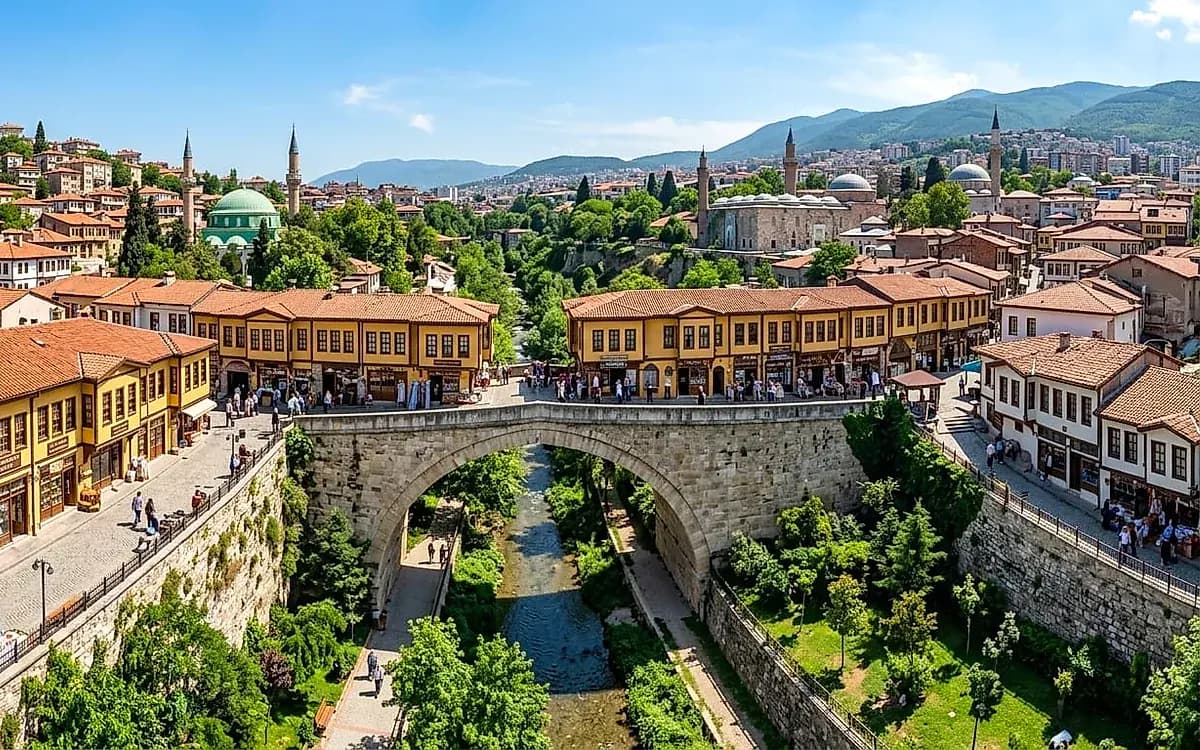
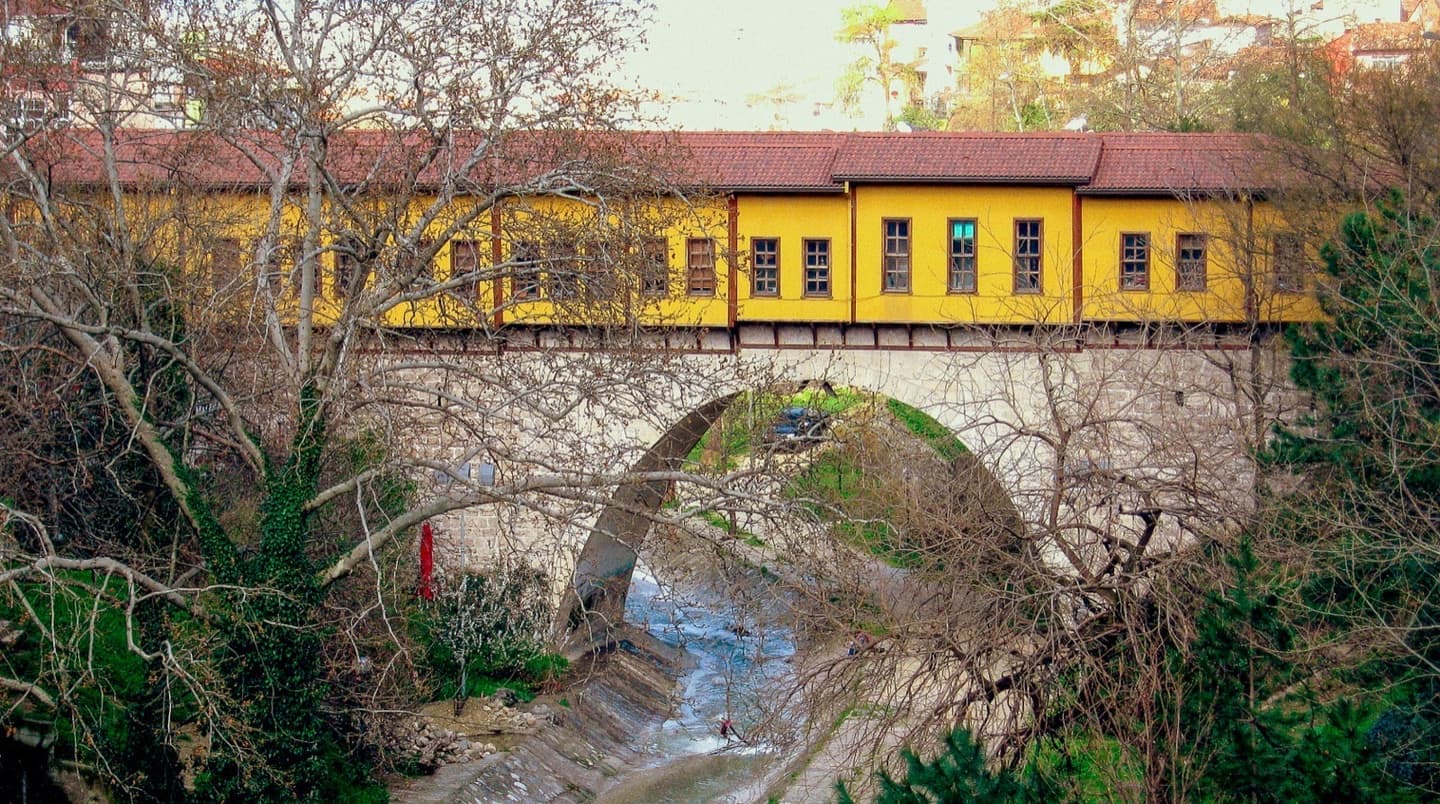
The Historical Irgandı Bridge (Irgandı Çarşılı Köprüsü), commissioned in 1442 during the reign of Ottoman Sultan Murad II, is the earliest single-arch covered bazaar bridge on earth, predating Florence's Ponte Vecchio and Venice's Rialto. Spanning the dramatic gorge of the Gökdere ravine between Bursa's Osmangazi and Yıldırım districts, this celebrated stone bridge stands as one of only four surviving "bazaar bridges" in the world (alongside Italy's Ponte Vecchio and Rialto, and the Osam Bridge in Lovech, Bulgaria). Today, it flourishes as a vibrant sanctuary of living classical Ottoman handicrafts, including ebru water marbling, calligraphy, illumination, mother-of-pearl inlay, and silver filigree.
| Feature | Detail |
|---|---|
| Construction Year | 1442 (846 AH) |
| Patron / Founder | Merchant Hacı Muslihiddin, son of Hoca Muslihiddin |
| Architect | Architect Ali, son of Abdullah |
| Global Significance | One of only 4 covered bazaar bridges in existence worldwide |
| Shops Count | 32 authentic artisan workshops and studios |
| Visiting Hours | Bridge passage: 24/7 | Artisan studios: 09:30 – 19:00 |
| Admission | Free entrance |
2. History from 1442 to the 2004 Cultural Revival
Commissioned as a charitable foundation to generate revenue for civic works and facilitate caravan passage toward the silk markets, Irgandı was famously detailed in the 17th century by Ottoman traveler Evliya Çelebi, who noted its 32 vaulted stone shops, a small prayer hall (masjid), and massive iron gates that closed at night for civic security.
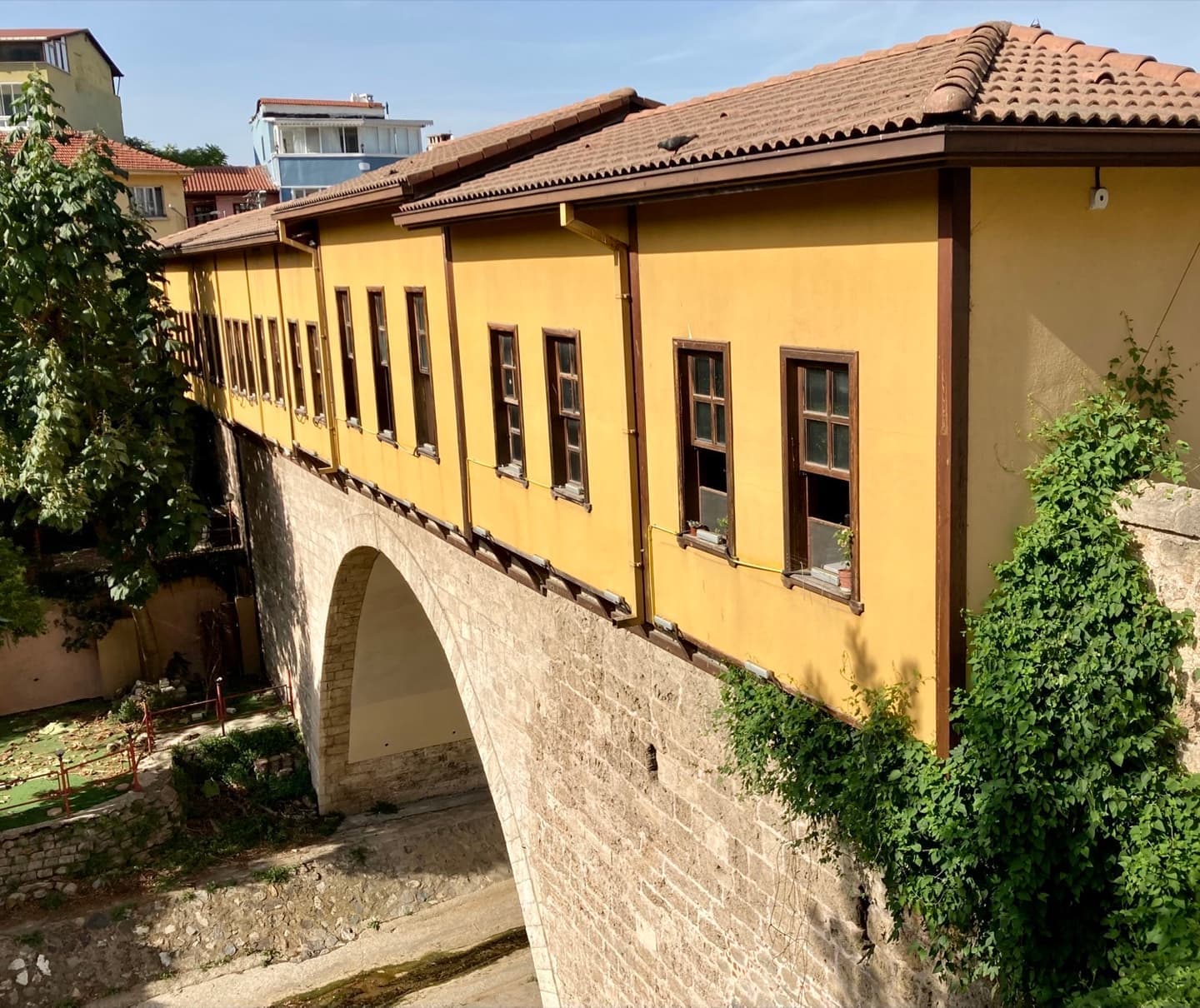
After being damaged in the 1855 earthquake, the bridge suffered catastrophic destruction in 1922 when retreating Greek occupation forces dynamited the structure, destroying everything above the central stone arch. In 2004, the Bursa Metropolitan Municipality executed a meticulous reconstruction based on 19th-century engravings and archival photographs, reviving its ochre-yellow timber shops and ceramic tile roofs.
3. Living Traditional Arts: Ebru, Calligraphy, and Filigree
Stepping onto the cobblestones between the yellow shops offers an intimate encounter with masters of classical Turkish-Islamic decorative arts:
- Ebru (Paper Marbling): Watch masters drop natural pigments onto viscous water baths to create swirling floral patterns transferred onto handmade paper.
- Calligraphy & Illumination (Hat & Tezhip): Admire intricate thuluth script adorned with genuine gold leaf and mineral pigments.
- Mother-of-Pearl Inlay (Sedef Kakma): Hand-chiseled walnut boxes and mirror frames inlaid with sea shells and brass wire.
- Silver Filigree (Telkari): Delicate lace-like jewelry crafted from gossamer silver wire.
4. Stream-View Cafes and Practical Advice
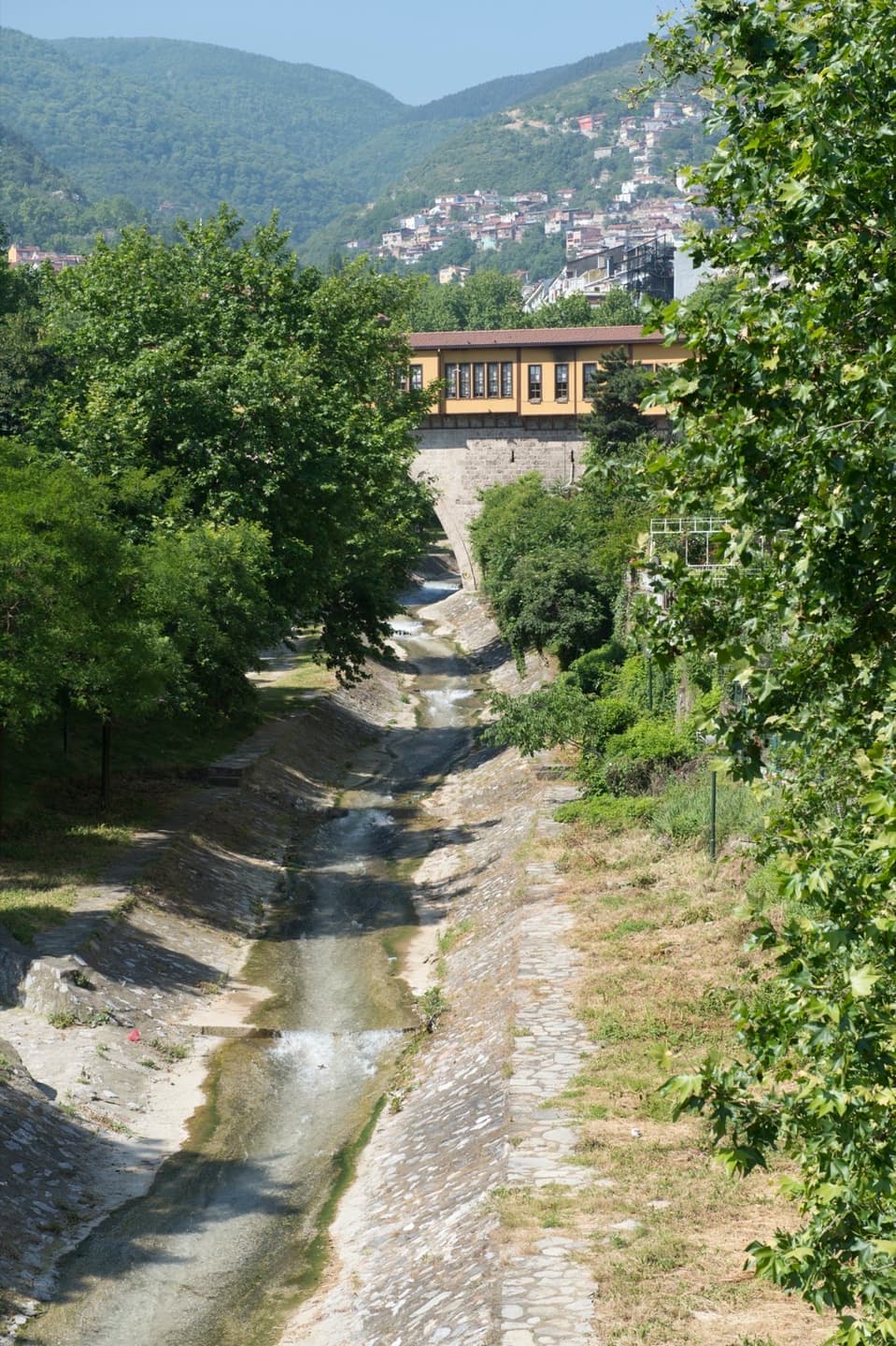
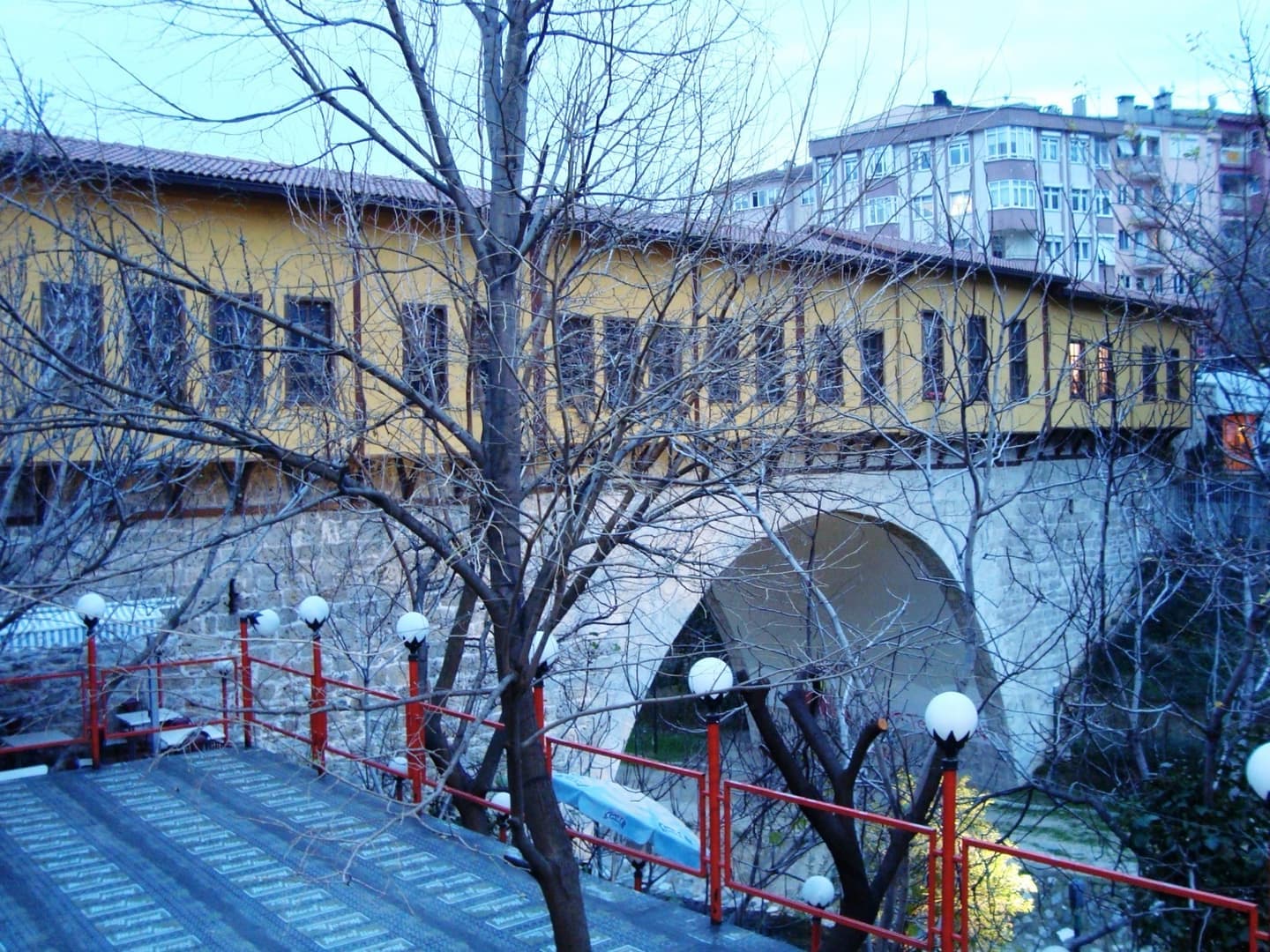
Several workshops feature cantilevered balconies overhanging the Gökdere ravine, offering cozy spots to sip Turkish coffee brewed over hot coals while listening to the rushing mountain stream below.
- Walking Connections: Walk 10 minutes east to the Green Mosque and Green Tomb, or 10 minutes west to the Grand Mosque (Ulu Cami) and Koza Han.
- Dining Nearby: Enjoy world-famous Bursa Pideli Köfte in the adjacent Setbaşı quarter and pick up fresh candied chestnuts (Kestane Şekeri).
Insider Tip
"Be sure to go inside the shops and watch the live work of marbling and mother-of-pearl inlay masters. When you look up from the Gökdere canyon path under the bridge, the single-arched monumental stone pillar of the bridge gives a great photo angle."
Bursamız Local Guide Notes
Google E-E-A-T Verified Visitor Experience & Insights
Dr. Kemal Altın
Tarih & UNESCO Mirası Danışmanı • Tarih Danışmanı & Yazar
Osmanlı'nın ilk başkenti Bursa'nın sultan külliyeleri, hanlar bölgesi ve tarihi mahalleleri üzerine doktora tezine sahip akademisyen ve araştırmacı yazar.
This content has been prepared in compliance with Bursamız Editorial Standards, cross-verified with official city data.
Photo Gallery
Historical Irgandı Bridge: One of the World's 4 Covered Bazaar Bridges 360° Virtual Tour & Earth 3D Station
Satellite 3D telemetry, terrain topography, and 360° street panoramas are fully calibrated. Fly in 3D orbit or tour inside step by step.
Add to Your Route & Stamp in Culture Passport
Plan and optimize your Bursa trip on the interactive map; check in on-site via GPS to collect digital stamps and earn the official Bursa City Ambassador award.
Frequently Asked Questions (FAQ)
Is there an admission fee for the Irgandı Bridge?
No, walking across the bridge and exploring the artisan studios is completely free of charge.
How many covered bazaar bridges exist worldwide?
There are only four in the world: Irgandı Bridge in Bursa, Ponte Vecchio in Florence, Rialto in Venice, and Osam Bridge in Lovech, Bulgaria.
When was the Irgandı Bridge built and by whom?
It was built in 1442 by architect Ali, son of Abdullah, under the patronage of wealthy merchant Hacı Muslihiddin.
What are the opening hours of the craft workshops?
While the pedestrian bridge is open 24/7, artisan workshops are generally open daily from 09:30 to 19:00.
What traditional arts can you see on the bridge?
Ebru (paper marbling), classical Islamic calligraphy, illumination (tezhip), miniature painting, mother-of-pearl inlay, and silver filigree.
How was the bridge destroyed in 1922?
Retreating Greek forces dynamited the bridge during the Turkish War of Independence in 1922, blowing up the shops atop the stone arch.
When was the bridge restored to its current state?
It was reconstructed faithfully according to 19th-century archival engravings in 2004 by the Bursa Metropolitan Municipality.
How far is the bridge from the Grand Mosque (Ulu Cami)?
It is approximately 900 meters away, an easy 10-minute walk through the Setbaşı and Atatürk Avenue corridor.
How do you walk from Irgandı Bridge to the Green Mosque?
Cross the bridge eastward and follow Yeşil Caddesi gently uphill for 8 to 10 minutes straight to the Green Mosque and Tomb.
Can you drink coffee or tea on the bridge?
Yes, several workshop balconies overlooking the stream serve traditional Turkish tea and coal-brewed Turkish coffee.
Is Irgandı Bridge wheelchair accessible?
Yes, the pedestrian deck is completely flat and step-free, accessible from both riverbanks.
Where is the best photo spot for the bridge?
View the bridge from the nearby modern Setbaşı Bridge or from the riverbank trail below to capture the stone arch and yellow shops.
Can you buy authentic handmade artwork here?
Yes, you can purchase original, certified works directly from the master artisans and calligraphers in their studios.
How can I reach the bridge by public transit?
Virtually all eastbound municipal buses and minibuses from downtown Heykel stop at Setbaşı, a 2-minute walk from the bridge.
What local dining is recommended nearby?
Setbaşı is home to historic restaurants serving authentic Bursa Pideli Köfte, followed by candied chestnuts.
Visitor Information
Explore Osmangazi & Surroundings
Gastronomy, district guides, and latest regional highlights in Osmangazi.
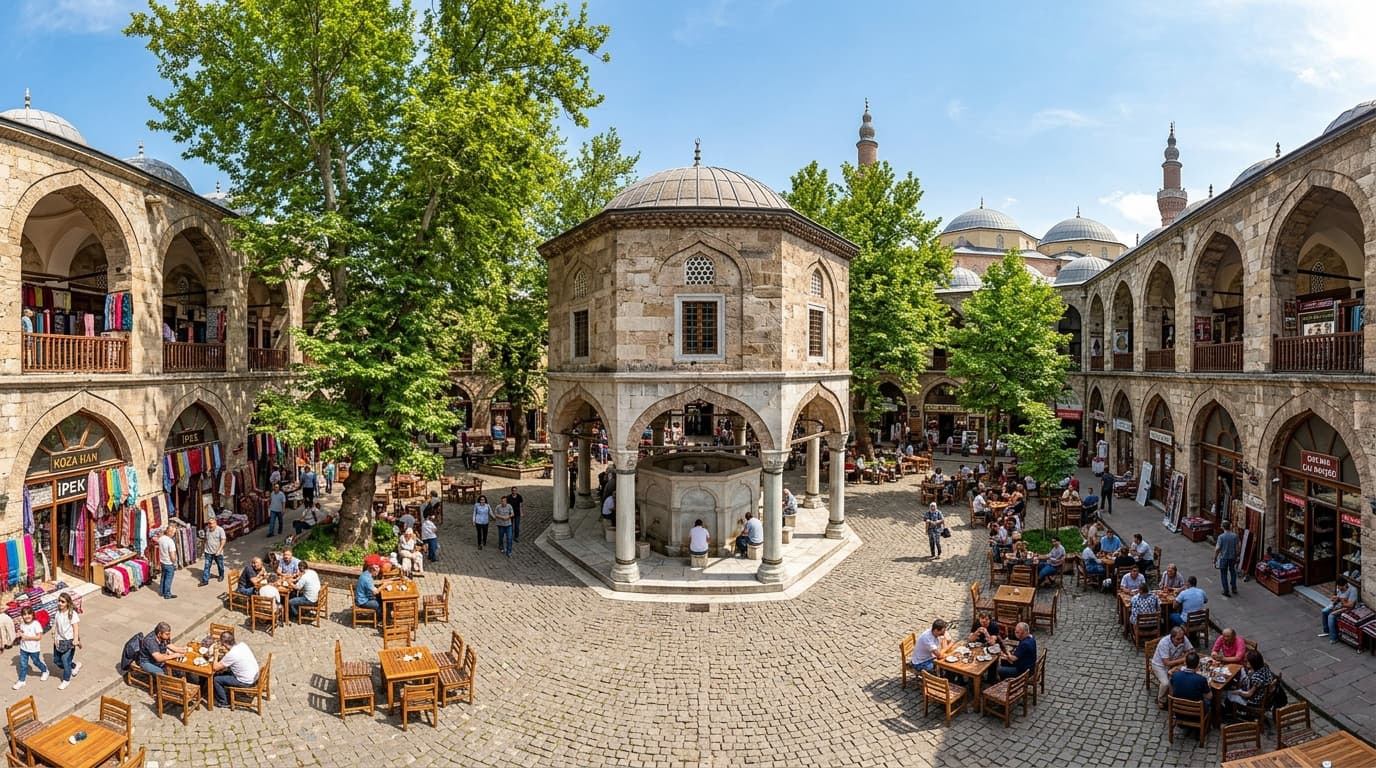
Osmangazi Travel Guide: The Heart of History, Inns and Sultan Complexes
Discover Osmangazi, the historical backbone of Bursa, the first capital of the Ottoman Empire, step by step: A complete travel guide from the Ulu Mosque to the Khans District, from the slopes of Tophane to the Muradiye Social Complex.
Registered Gastronomy in Osmangazi
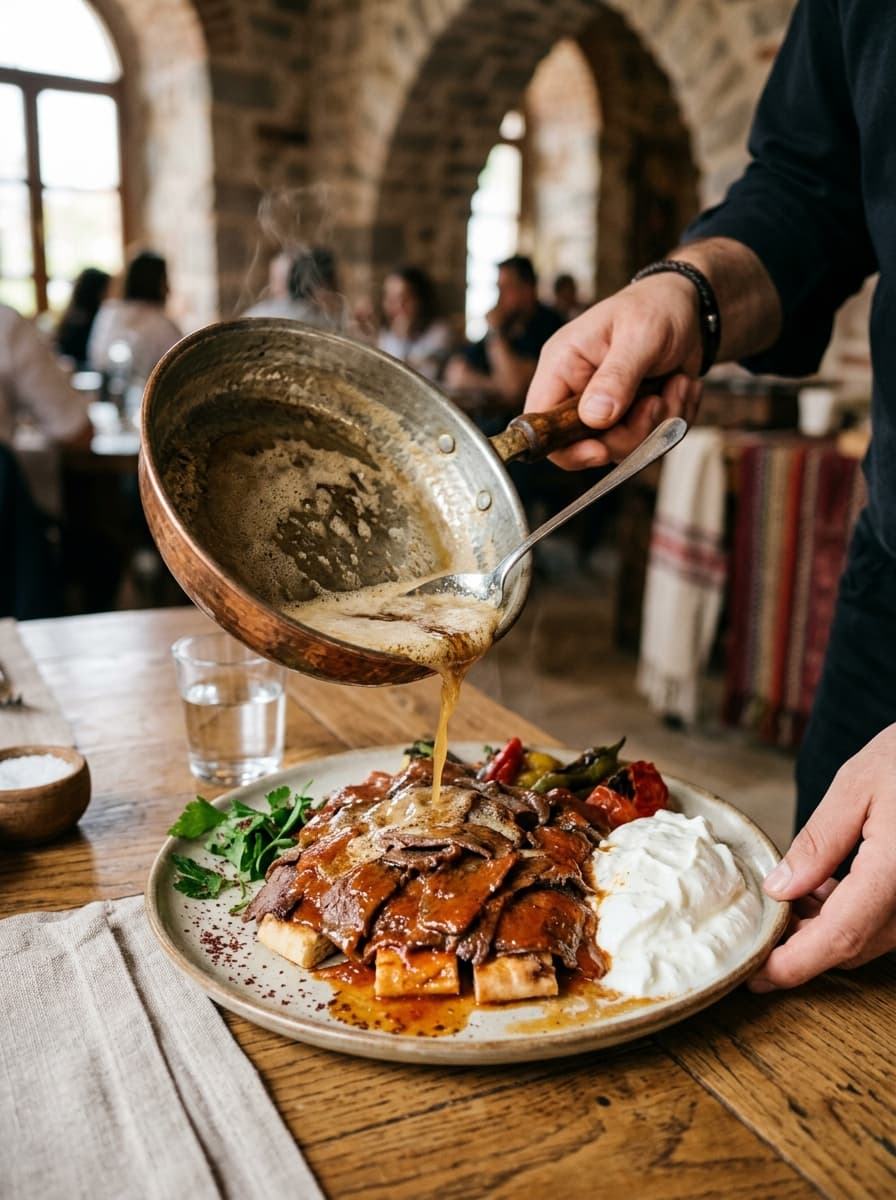
Authentic Bursa Iskender Kebab
Kebapçı İskender (Historic Blue Shop, Heykel), Kebapçı Hüseyin (Alacahırka), Kebapçı İsmail (Kayhan)
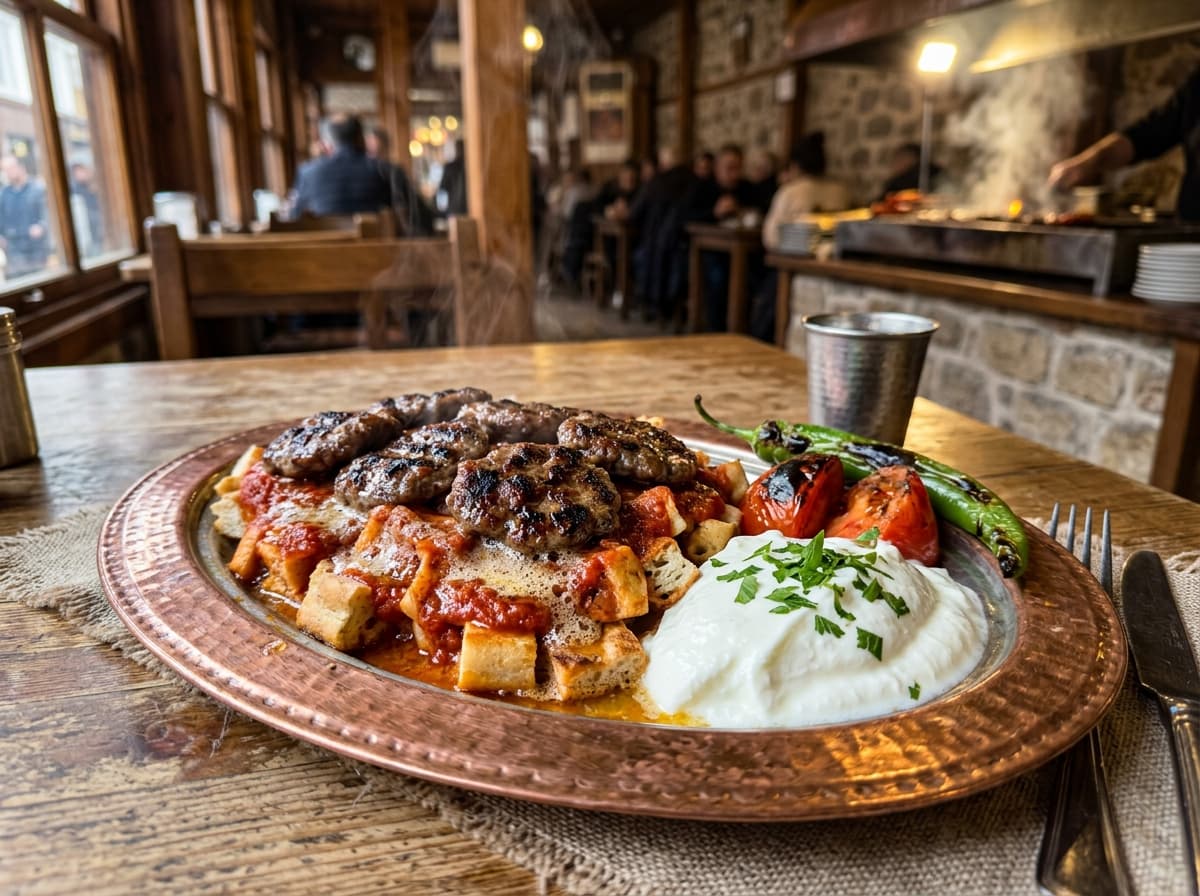
Bursa Meatballs on Flatbread (Pideli Köfte)
Historic Kayhan Bazaar (Hacı Bey, Köfteci Yeşil, İdris)
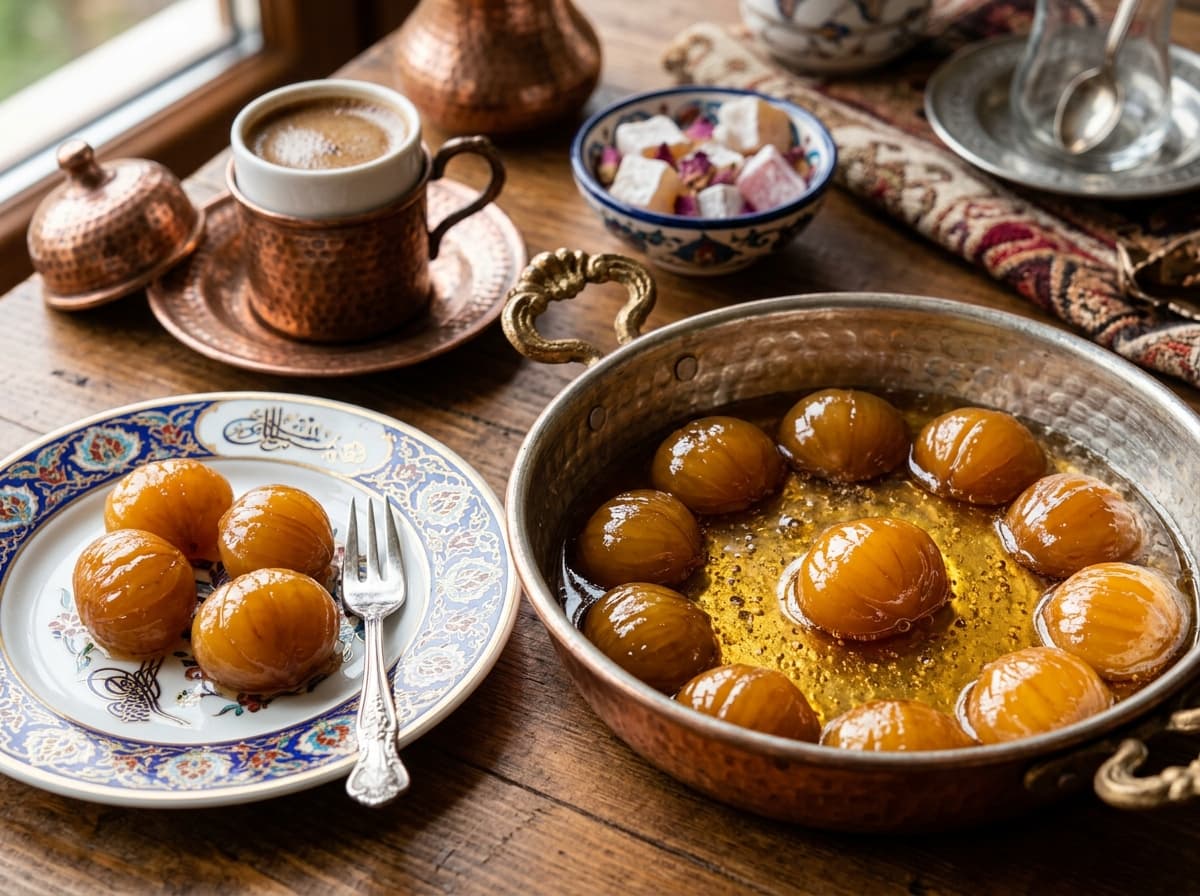
Bursa Candied Chestnuts (Marron Glacé)
Kafkas (Atatürk Cad.), Kardelen Kestane Şekeri, Ali Uzun (Grand Bazaar)
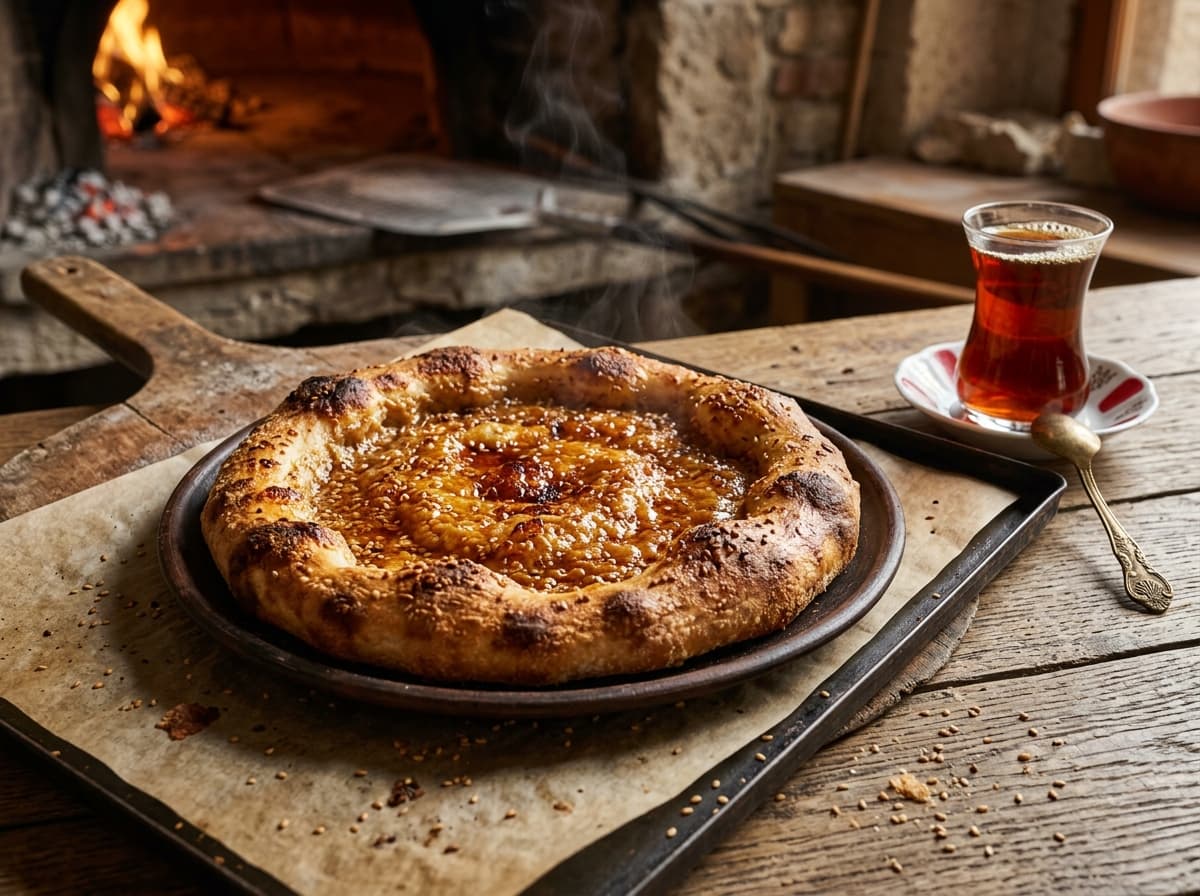
Bursa Tahini Flatbread ('Tahanlı')
Tarihi Abdal Fırını (Abdal Square), İnanç Fırını (Muradiye)

Historical Irgandı Bridge: One of the World's 4 Covered Bazaar Bridges
Visitor Information
What to Do in 2 Hours Around Historical Irgandı Bridge: One of the World's 4 Covered Bazaar Bridges
A curated step-by-step pedestrian itinerary to explore the historic neighborhood effortlessly.
Historical Irgandı Bridge: One of the World's 4 Covered Bazaar Bridges
40 min visit, architectural highlights and photo stop
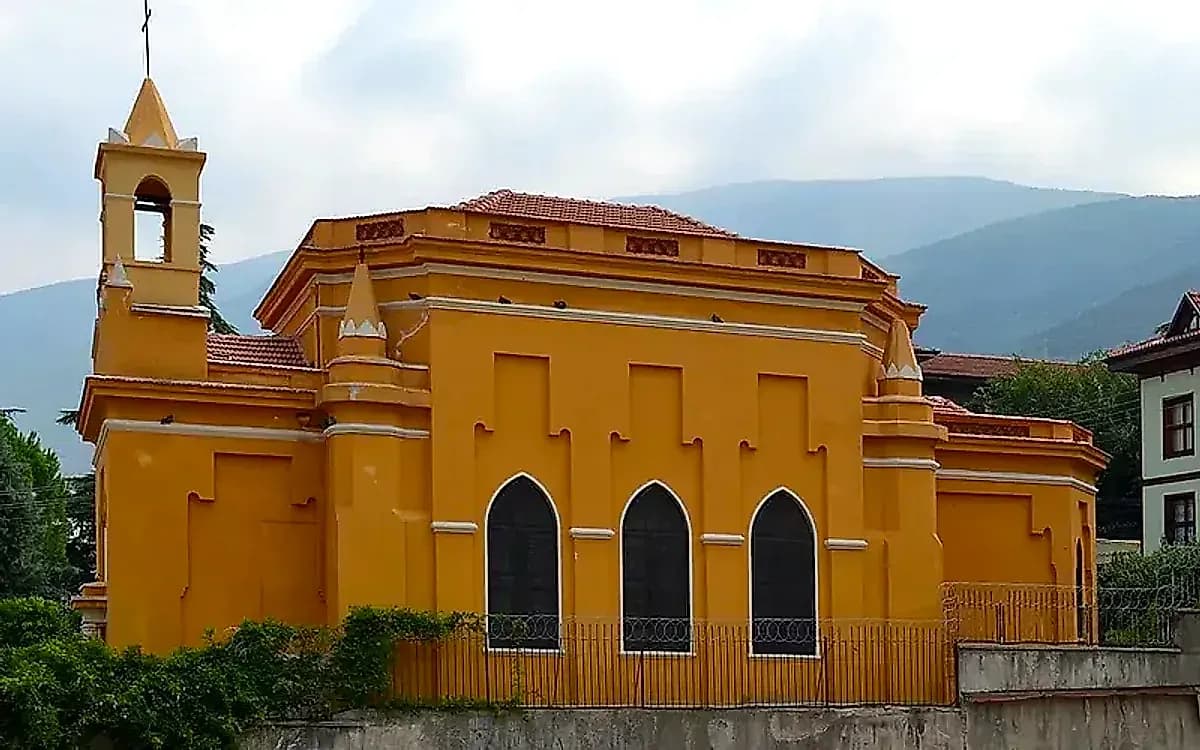
French Protestant Church
Located in Osmangazi, Fransız Protestan Kilisesi represents Bursa's heritage of tolerance and multicultural architectural beauty.
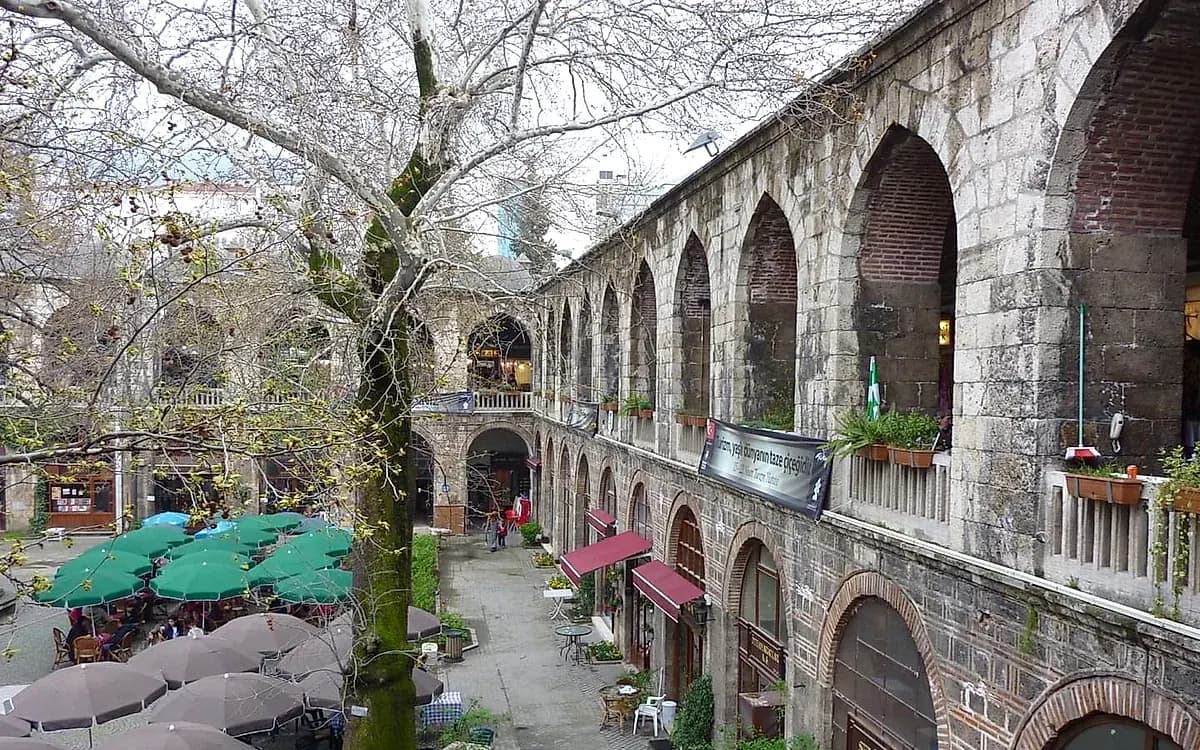
Historical Koza Han (Silk Bazaar)
Built in 1491 by Ottoman Sultan Bayezid II, Historical Koza Han is the most magnificent Western terminus of the Silk Road in Anatolia, featuring a peaceful shaded courtyard, an octagonal elevated kiosk mosque on eight marble pillars, and 95 merchant rooms celebrating centuries of Bursa silk heritage.
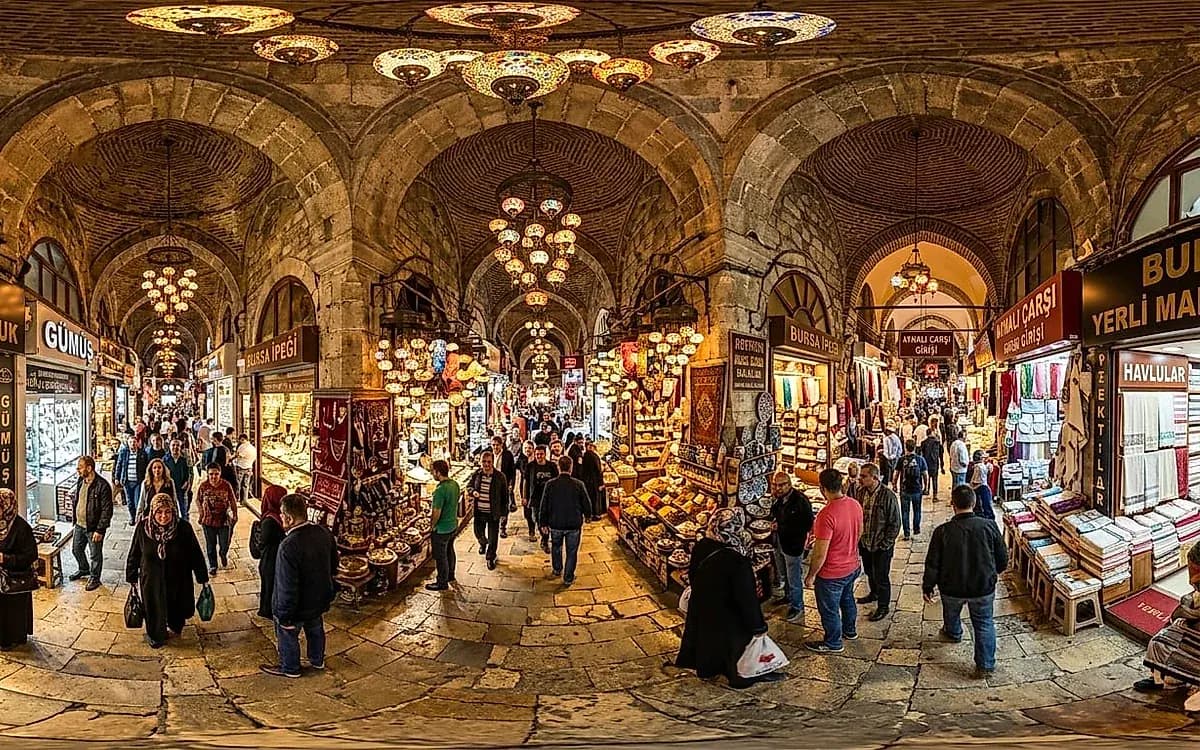
Historical Bursa Grand Bazaar & Bedesten
Originating in 1335 under Orhan Gazi and anchored around Sultan Bayezid I's monumental 14-domed stone Bedesten (1399-1400), Bursa Grand Bazaar is the first organized covered marketplace in Ottoman history, famous for goldsmiths, Aynalı Çarşı silver, and luxury towels.
Authentic Bursa Iskender Kebab
Savor traditional Authentic Bursa Iskender Kebab or authentic Turkish coffee in a historic courtyard (20 min).
Other Recommended Attractions in and around Osmangazi
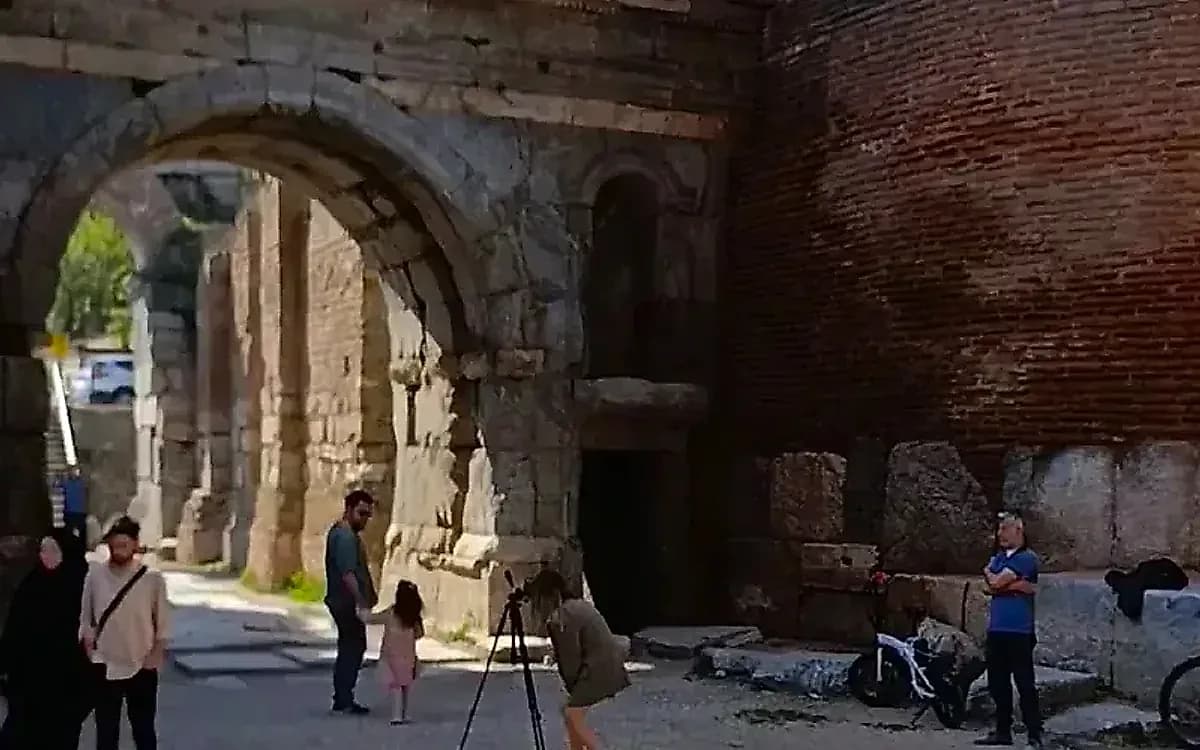
Greece - Turkey Friendship and Peace Tree
A meaningful living monument in Bursa symbolizing eternal friendship and peace between Turkish and Greek nations. Located in Osmangazi, it reflects the city's rich heritage of tolerance and cultural dialogue.
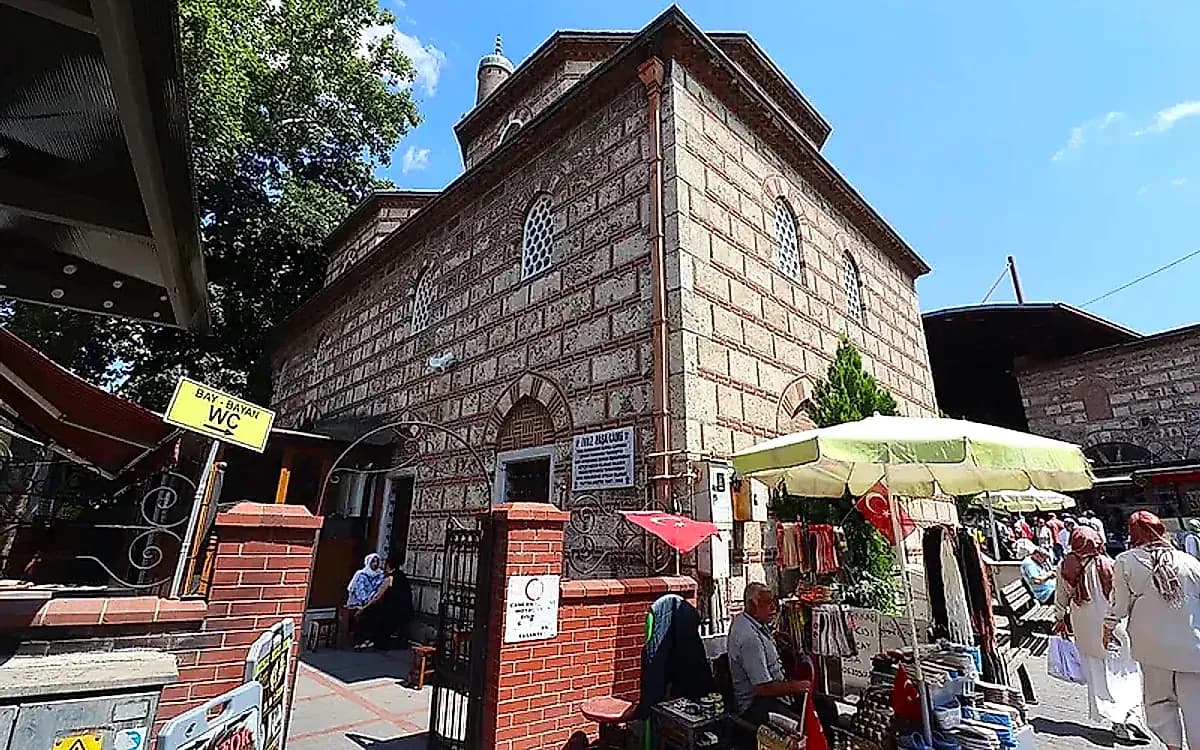
Ahmet Vefik Pasha Hospital (Muradiye Memleket Hospital)
Set in Osmangazi, Ahmet Vefik Paşa Hastanesi (Muradiye Memleket Hastanesi) offers scenic greenery, peaceful walking tracks, picnic spots, and fresh air for nature enthusiasts.
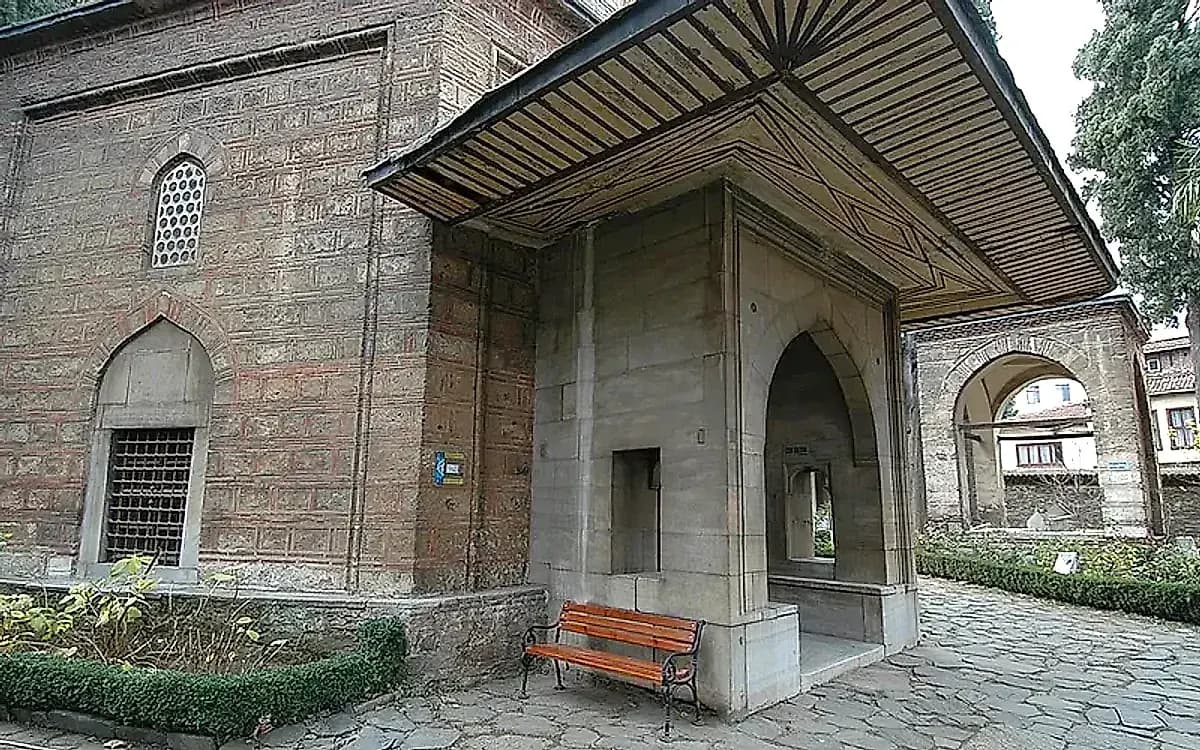
Tomb of Cem Sultan
Set in Osmangazi, Cem Sultan Türbesi offers scenic greenery, peaceful walking tracks, picnic spots, and fresh air for nature enthusiasts.
Hotels Area Ski House
Set in Osmangazi, Oteller Bölgesi Kayak Evi offers scenic greenery, peaceful walking tracks, picnic spots, and fresh air for nature enthusiasts.